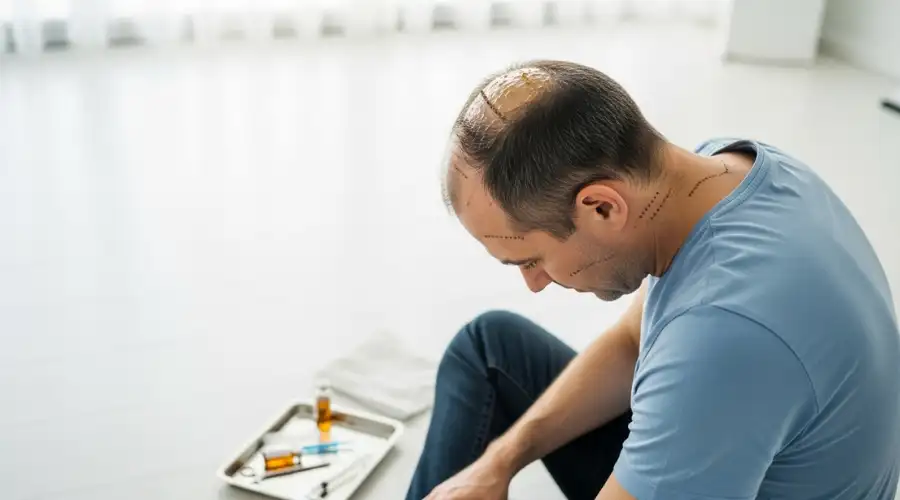
Hair loss affects millions of people worldwide, impacting self-confidence and overall well-being. Whether caused by genetics, hormonal changes, or aging, baldness can be distressing. Among various hair restoration methods, PRP treatment for baldness has emerged as a promising and minimally invasive solution. This innovative therapy leverages your body’s natural healing properties to stimulate hair growth and improve scalp health.
In this guide, we’ll explore what PRP is, how it works, the treatment process, benefits, potential side effects, and what to expect for optimal results.
What Is PRP Treatment for Baldness?
PRP, or Platelet-Rich Plasma, is a concentration of platelets derived from your own blood. Platelets are rich in growth factors that accelerate tissue repair and regeneration. When injected into the scalp, PRP stimulates dormant hair follicles, improves blood circulation, and encourages new hair growth.
Unlike hair transplants, PRP does not require surgery. It is a non-invasive, natural therapy that uses your own biological resources, making it a safe and well-tolerated option for most patients.
How Does PRP Work for Hair Growth?
PRP works on the principle of cellular regeneration. Here’s how it helps combat baldness:
- Platelet Activation: Blood is drawn from the patient and processed in a centrifuge to separate platelets from other components.
- Concentration of Growth Factors: The resulting plasma is rich in proteins and growth factors that signal hair follicles to regenerate.
- Injection into Scalp: The PRP is injected directly into areas affected by thinning hair or baldness.
- Stimulation of Hair Follicles: Growth factors activate dormant follicles, prolong the anagen (growth) phase, and increase follicle size.
This multi-step process enhances scalp health, strengthens existing hair, and can even lead to the growth of new hair in thinning areas.
Who Is a Good Candidate for PRP Treatment for Baldness?
PRP therapy is suitable for individuals experiencing mild to moderate hair loss. Common candidates include:
- People with androgenetic alopecia (male or female pattern baldness)
- Individuals with thinning hair due to stress, hormonal imbalance, or aging
- Patients looking for non-surgical hair restoration
However, PRP may not be effective for individuals with complete baldness or those who have significant scarring on the scalp. A consultation with a qualified dermatologist or hair restoration specialist is crucial to determine suitability.
The PRP Treatment Process
Understanding the procedure helps set realistic expectations. PRP treatment generally involves the following steps:
➡️Blood Collection
A small amount of blood (typically 10–20 ml) is drawn from the patient’s arm.
➡️Centrifugation
The blood is placed in a centrifuge, which separates the platelets from red blood cells and plasma.
➡️Preparation of PRP
The platelet-rich plasma is carefully extracted for use in the scalp.
➡️Scalp Injections
Using a fine needle, the PRP is injected into thinning areas of the scalp. Some clinics may use microneedling to enhance absorption and stimulate growth.
➡️Post-Treatment Care
Patients may experience mild redness or swelling, which typically subsides within 24–48 hours. Normal activities can usually be resumed immediately.
Benefits of PRP Treatment for Baldness
PRP therapy offers several advantages over conventional hair restoration methods:
- Non-Surgical: No incisions or stitches are required.
- Natural Approach: Uses your own blood, reducing the risk of allergic reactions.
- Minimal Downtime: Most patients can resume daily activities immediately.
- Stimulates Hair Growth: Strengthens existing hair and promotes new growth.
- Safe and Effective: Clinical studies show promising results in both men and women.
Potential Side Effects and Considerations
PRP is generally considered safe because it uses autologous (self-derived) plasma. However, some mild side effects may occur:
- Temporary swelling or redness at injection sites
- Mild pain or scalp tenderness
- Rare instances of infection
Patients with blood disorders, severe anemia, or certain chronic illnesses should consult their doctor before treatment. It’s also essential to have realistic expectations results vary depending on hair loss severity and individual response.
How Many Sessions Are Needed?
Typically, PRP treatment involves 3 to 6 sessions spaced 4–6 weeks apart. Maintenance sessions every 4–6 months may be recommended to sustain results. Visible improvements are often noticed after 2–3 months, with significant hair density enhancement after 6 months.
Comparing PRP to Other Hair Loss Treatments
| Treatment Type | Invasiveness | Recovery Time | Effectiveness on Hair Regrowth | Natural Approach |
|---|---|---|---|---|
| PRP Treatment | Low | Minimal | High for mild to moderate loss | Yes |
| Hair Transplant | High | Weeks | High for permanent restoration | No |
| Minoxidil (Topical) | Low | None | Moderate | Yes |
| Finasteride (Oral) | Low | None | Moderate to high | No |
PRP is often combined with medications like Minoxidil or Finasteride for enhanced results.
Tips for Maximizing PRP Results
- Follow Specialist Advice: Stick to the recommended session schedule.
- Maintain Scalp Health: Avoid harsh chemicals and keep the scalp clean.
- Healthy Lifestyle: Proper nutrition, hydration, and stress management improve outcomes.
- Avoid Smoking: Smoking can impair circulation and hinder hair growth.
Frequently Asked Questions (FAQs)
Conclusion
In conclusion, PRP treatment for baldness is a safe, effective, and minimally invasive solution for individuals experiencing hair thinning or early-stage baldness. By harnessing the healing properties of your own blood, PRP stimulates dormant follicles, strengthens existing hair, and promotes natural growth. While multiple sessions are typically required, the procedure’s minimal downtime and natural approach make it an attractive option compared to surgical alternatives. With proper care and realistic expectations, PRP can help restore both hair and confidence.
Leave a Reply