• Exercises to Tone Every Inch of Your Body | Full-Body Workout Guide

    Achieving a strong, toned body isn’t just about looking fit it’s about feeling confident, powerful, and healthy. Whether you’re new to fitness or looking to enhance your workout routine, finding the right exercises to tone every inch of your body can make all the difference. The key lies in combining strength training, flexibility work, and cardiovascular exercise for balanced muscle development. This comprehensive guide covers the most effective moves to help you sculpt and strengthen your entire body, from head to toe.

    Why Full-Body Toning Is Important

    Toning your body doesn’t just improve appearance it enhances mobility, boosts metabolism, and supports better posture. Full-body exercises target multiple muscle groups at once, helping you burn more calories and develop functional strength. When every inch of your body is engaged, you create balance and symmetry that supports everyday movement and long-term health.

    Upper Body Toning Exercises

    Push-Ups – Classic Strength for Chest and Arms

    Push-ups are a timeless exercise that targets your chest, shoulders, triceps, and core. Start in a high plank position with your hands slightly wider than shoulder-width apart. Lower your body until your chest nearly touches the floor, then push back up.
    Tip: For beginners, perform knee push-ups to build strength gradually.

    Dumbbell Shoulder Press – Sculpted Shoulders

    The dumbbell shoulder press tones your deltoids and upper arms while improving posture. Sit or stand with a dumbbell in each hand, palms facing forward. Press the weights overhead until your arms are fully extended, then slowly lower them.
    Variation: Try alternating arms for added stability challenge.

    Bent-Over Rows – Strengthen Your Back

    A strong back is crucial for toning and preventing injury. With a dumbbell in each hand, hinge at your hips, keeping your back straight. Pull the weights toward your waist, squeezing your shoulder blades together, then slowly lower.
    Focus: Keep your movements controlled to maximize muscle activation.

    Core and Abdominal Toning Exercises

    Plank – The Ultimate Core Strengthener

    Few exercises engage the entire core like the plank. Support your body on your forearms and toes, keeping your body in a straight line from head to heels.
    Goal: Hold the position for 30–60 seconds, maintaining tight abs and neutral alignment.

    Russian Twists – Defined Obliques

    Sit with your knees bent, lean slightly back, and lift your feet off the ground. Holding a weight or medicine ball, twist your torso side to side.
    Tip: Move slowly to maintain control and maximize muscle engagement.

    Leg Raises – Lower Ab Focus

    Lie flat on your back with your legs extended. Slowly raise your legs toward the ceiling, then lower them without touching the ground.
    Pro Tip: Keep your core engaged and avoid arching your lower back.

    Lower Body Toning Exercises

    Squats – Tone Legs and Glutes

    Squats are among the best exercises to tone every inch of your lower body. They strengthen your thighs, glutes, and calves while improving core stability.
    How to Do It: Stand with feet shoulder-width apart, lower your hips as if sitting in a chair, then rise back up.
    Variation: Add a jump at the top for a cardio boost.

    Lunges – Balance and Definition

    Lunges help tone the thighs and glutes while improving coordination. Step one foot forward, lower your body until both knees form 90-degree angles, and push back to standing.
    Variation: Try walking lunges for an added endurance challenge.

    Glute Bridges – Firm and Lift

    Lie on your back with knees bent and feet flat on the floor. Lift your hips upward, squeezing your glutes at the top, then lower back down.
    Focus: Engage your core and avoid overextending your back.

    Full-Body Compound Exercises

    Burpees – Complete Body Toning

    Burpees combine cardio and strength in one explosive move. From a standing position, squat down, kick your feet back into a plank, perform a push-up, return to a squat, and jump up.
    Result: Burpees build endurance while toning arms, legs, and core.

    Mountain Climbers – Dynamic Core and Cardio

    Start in a plank position and drive your knees alternately toward your chest in a running motion.
    Benefits: Boosts heart rate, burns fat, and tones your entire body simultaneously.

    Deadlifts – Strength and Stability

    Using a barbell or dumbbells, hinge at your hips, keeping your back straight as you lower the weight, then rise back up.
    Muscles Worked: Hamstrings, glutes, back, and core.

    Flexibility and Recovery Exercises

    Yoga Poses for Toning

    Incorporate yoga poses such as Downward Dog, Warrior II, and Bridge Pose to stretch and strengthen muscles simultaneously.
    Benefits: Improved flexibility, posture, and lean muscle tone.

    Pilates Moves for Core Control

    Pilates focuses on core strength, alignment, and controlled movement. Exercises like The Hundred and Leg Circles enhance stability and tone deep abdominal muscles.

    Tips to Maximize Your Toning Results

    Maintain Consistency

    Consistency is key. Aim for at least 4–5 workout sessions per week, alternating muscle groups for balanced recovery.

    Combine Strength and Cardio

    Strength training builds muscle, while cardio burns fat. Pairing both ensures your toned muscles are visible.

    Eat a Balanced Diet

    Fuel your workouts with lean protein, whole grains, healthy fats, and plenty of water. Nutrition supports recovery and muscle definition.

    Prioritize Rest and Recovery

    Allow your muscles time to repair and grow stronger. Include rest days and prioritize quality sleep.

    Track Progress

    Take photos, measure body composition, or log workouts to stay motivated and monitor improvements.

    Sample Full-Body Toning Workout Plan

    DayFocus AreaExercises
    MondayUpper BodyPush-Ups, Dumbbell Rows, Shoulder Press
    TuesdayCorePlanks, Russian Twists, Leg Raises
    WednesdayLower BodySquats, Lunges, Glute Bridges
    ThursdayFull-BodyBurpees, Mountain Climbers, Deadlifts
    FridayFlexibilityYoga or Pilates Routine
    SaturdayActive RestLight Jog, Stretching
    SundayRestRecovery Day

    Common Mistakes to Avoid

    • Skipping Warm-Ups and Cool-Downs: Always prepare your muscles and joints to prevent injury.
    • Poor Form: Focus on technique rather than speed or heavy weights.
    • Inconsistent Effort: Irregular workouts delay visible results.
    • Ignoring Nutrition: Exercise alone can’t outdo a poor diet.
    • Overtraining: Rest is essential for muscle recovery and growth.

    Frequently Asked Questions

    You can start seeing noticeable results within 4–8 weeks with consistent workouts and proper nutrition.

    Many toning exercises use body weight only, but dumbbells or resistance bands can enhance results.

    Absolutely! Start with modified versions and gradually increase intensity as you build strength.

    Conclusion

    In conclusion, incorporating exercises to tone every inch of your body into your weekly fitness routine can transform your health, strength, and confidence. By combining upper, lower, and core workouts with flexibility and cardio training, you’ll achieve balanced muscle tone and long-term endurance. Remember consistency, good form, and proper nutrition are the keys to lasting results. Start today, stay committed, and you’ll soon feel stronger and more energized from head to toe.

  • 10 Warning Signs of Cancer in Your Body You Should Never Ignore

    Cancer remains one of the leading causes of death worldwide, yet many cases can be treated successfully when detected early. Unfortunately, the early warning signs of cancer often go unnoticed or are mistaken for minor health issues. Recognizing the warning signs of cancer in your body is vital for early diagnosis and timely treatment. While symptoms vary depending on the type of cancer, certain changes in your body can serve as red flags that something isn’t right. This article will help you understand the key warning signs and why paying attention to them could save your life.

    Understanding Cancer and Its Early Warning Signs

    Cancer begins when cells in the body start growing uncontrollably, forming lumps or spreading to other parts of the body. This abnormal cell growth can affect any organ, including the skin, lungs, breast, colon, and more. The challenge lies in the fact that early cancer symptoms can mimic common illnesses. That’s why awareness of cancer warning signs is crucial it empowers you to seek medical advice before the disease progresses.

    Unexplained Weight Loss

    Sudden, unexplained weight loss is one of the most common early warning signs of cancer. If you lose more than 10 pounds (4.5 kg) without changing your diet or exercise routine, it may indicate a health issue. Cancers such as pancreatic, stomach, lung, or esophageal cancer can cause weight loss due to changes in metabolism and loss of appetite. Always consult a doctor if you notice significant weight loss for no apparent reason.

    Persistent Fatigue and Weakness

    Feeling tired occasionally is normal, but persistent fatigue that doesn’t improve with rest may be a sign of an underlying condition. Certain cancers, including leukemia and colon cancer, can cause ongoing fatigue by affecting blood cell production or causing internal bleeding. If exhaustion becomes constant and affects daily life, it’s important to seek medical evaluation.

    Unusual Lumps or Swelling

    A lump or swelling in any part of the body should never be ignored. While not all lumps are cancerous, some may indicate tumors in tissues such as the breast, neck, groin, or testicles. For instance, breast cancer often begins with a painless lump or thickened area. Self-examinations and regular checkups can help detect these changes early, improving treatment outcomes.

    Persistent Cough or Hoarseness

    A cough that lasts longer than three weeks or changes in your voice may signal a deeper issue, especially in smokers. Lung cancer or throat cancer can cause a persistent cough, chest pain, or hoarseness. If your cough produces blood or you experience difficulty breathing, consult your doctor immediately for further evaluation.

    Changes in Skin Appearance

    Your skin can reveal a lot about your overall health. New moles, changes in existing ones, or unusual skin discoloration can indicate skin cancer. Warning signs include asymmetrical moles, uneven borders, color variations, and growth in size or shape. Additionally, yellowing of the skin (jaundice) can point to liver cancer. Regular skin checks and sun protection are essential preventive measures.

    Difficulty Swallowing or Persistent Indigestion

    Occasional indigestion or heartburn is common, but if you experience ongoing difficulty swallowing (dysphagia) or persistent indigestion, it could be a sign of esophageal or stomach cancer. These cancers can cause narrowing of the esophagus, making swallowing painful or difficult. If this symptom persists, consult a gastroenterologist for further testing.

    Abnormal Bleeding or Discharge

    Any form of unexplained bleeding is a serious warning sign of cancer. Examples include:

    • Rectal bleeding (possible colon or rectal cancer)
    • Vaginal bleeding between periods or after menopause (possible uterine or cervical cancer)
    • Blood in urine (possible bladder or kidney cancer)
    • Coughing up blood (possible lung cancer)

    Even small traces of blood should not be ignored, as early detection is key to successful treatment.

    Changes in Bowel or Bladder Habits

    Changes in bowel or urinary habits can often indicate underlying digestive or urinary tract cancers. Constipation, diarrhea, or narrow stools lasting several weeks may suggest colon cancer, while frequent urination or pain during urination could point to bladder or prostate cancer. Monitoring your body’s regular patterns and reporting changes to your doctor can help catch cancer early.

    Non-Healing Wounds or Sores

    If a sore or wound doesn’t heal even after several weeks, it could be a sign of skin or oral cancer. Mouth sores that persist or bleed easily can indicate oral cancer, especially in individuals who smoke or consume alcohol regularly. Similarly, sores on the skin that do not heal could be early signs of skin cancer.

    Persistent Pain Without Clear Cause

    Pain that lingers without a clear reason should never be ignored. Chronic pain in the bones could be linked to bone cancer, while back pain may point to pancreatic or ovarian cancer. Although pain alone doesn’t confirm cancer, unexplained, long-term discomfort should prompt further medical investigation.

    When to See a Doctor

    It’s important to remember that experiencing one or more of these symptoms doesn’t automatically mean you have cancer. However, persistent or worsening symptoms should always be evaluated by a healthcare professional. Early detection through screening tests such as mammograms, colonoscopies, or Pap smears greatly improves treatment success rates.

    How to Reduce Your Cancer Risk

    While not all cancers are preventable, certain lifestyle choices can significantly lower your risk:

    • Avoid tobacco and limit alcohol intake.
    • Eat a balanced diet rich in fruits, vegetables, and whole grains.
    • Maintain a healthy weight and exercise regularly.
    • Protect your skin from UV radiation.
    • Get vaccinated against viruses linked to cancer, such as HPV and hepatitis B.
    • Schedule regular screenings based on your age and family history.

    Taking proactive steps toward prevention and awareness is one of the most powerful ways to safeguard your health.

    The Importance of Early Detection

    Catching cancer in its early stages can make a life-changing difference. Many cancers, when detected early, can be treated successfully through surgery, radiation, or chemotherapy. Regular checkups, self-examinations, and awareness of the warning signs of cancer in your body can increase your chances of recovery and survival.

    Frequently Asked Questions

    Unexplained weight loss, fatigue, and unusual lumps are common early signs.

    Consult a healthcare professional if unusual symptoms last longer than two weeks.

    Yes, early detection significantly improves treatment outcomes and survival rates.

    Conclusion

    In conclusion, recognizing the warning signs of cancer in your body is essential for early diagnosis and effective treatment. Symptoms such as unexplained weight loss, chronic fatigue, unusual lumps, or persistent pain should never be ignored. Paying attention to subtle changes in your body and seeking prompt medical evaluation can make a life-saving difference. Early detection not only increases the chances of successful treatment but also improves overall quality of life. By staying informed, maintaining healthy lifestyle habits, and scheduling regular checkups, you can take proactive steps toward protecting your long-term health and well-being.

  • 10 Warning Signs of Diabetes You Should Never Ignore

    Diabetes is one of the most common chronic conditions worldwide, affecting millions of people every year. Despite its prevalence, many individuals remain unaware that they have diabetes until it’s already advanced. Recognizing the early warning signs of diabetes can make a major difference in managing the condition effectively and preventing complications.

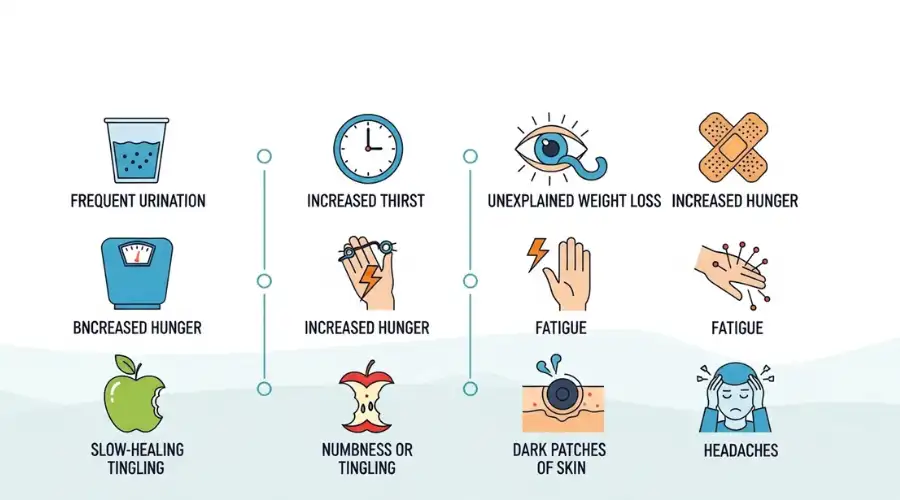
    In this article, we’ll explore what are 10 warning signs of diabetes, what they mean for your health, and when you should seek medical advice.

    Understanding Diabetes

    Before we dive into the warning signs, it’s important to understand what diabetes is.

    Diabetes mellitus is a metabolic disorder that affects how your body processes glucose (sugar) in the blood. Normally, your pancreas produces insulin a hormone that helps your cells absorb glucose for energy. In diabetes, the body either doesn’t make enough insulin or can’t use it properly, leading to high blood sugar levels.

    There are three main types of diabetes:

    • Type 1 Diabetes: The immune system destroys insulin-producing cells in the pancreas.
    • Type 2 Diabetes: The body becomes resistant to insulin or doesn’t produce enough of it.
    • Gestational Diabetes: Occurs during pregnancy and usually disappears after childbirth.

    Now, let’s look at the 10 warning signs of diabetes that you should pay close attention to.

    Frequent Urination Polyuria

    One of the earliest and most common symptoms of diabetes is frequent urination. When your blood sugar levels rise, your kidneys work overtime to filter and remove excess glucose from the bloodstream. This process draws more fluid into your urine, making you urinate more often especially at night.

    If you find yourself waking up multiple times during the night to use the bathroom, it could be an early warning sign of diabetes.

    Excessive Thirst Polydipsia

    Frequent urination naturally leads to excessive thirst, as your body tries to replace lost fluids. Even after drinking plenty of water, you may feel dehydrated or notice a dry mouth. This constant thirst is your body’s response to dehydration caused by increased glucose levels.

    Extreme Hunger Polyphagia

    Feeling hungry all the time, even after eating, is another key warning sign of diabetes. When insulin isn’t working properly, your body’s cells don’t get enough energy from glucose. As a result, your brain signals that you need more food to compensate.

    If you’re eating more than usual but still feel tired or unsatisfied, it might be time to check your blood sugar.

    Unexplained Weight Loss

    While many associate diabetes with weight gain, unexplained weight loss can actually be a sign especially in Type 1 diabetes. When your body can’t get enough glucose for energy, it starts burning fat and muscle instead. This rapid loss of weight occurs despite normal or increased appetite.

    If you lose weight suddenly without trying, it’s important to consult a doctor.

    Fatigue and Weakness

    Feeling tired all the time, even after a full night’s rest, is another warning sign of diabetes. When your cells are deprived of glucose, your body lacks the energy it needs to function properly. This constant fatigue can interfere with your ability to work, exercise, or concentrate.

    Persistent tiredness combined with other symptoms should never be ignored.

    Blurred Vision

    High blood sugar levels can cause changes in the lens of your eye, leading to blurred or distorted vision. This happens because fluid may move in and out of the eye tissues, affecting your ability to focus.

    In severe cases, if left untreated, diabetes can damage the blood vessels in your retina, leading to diabetic retinopathy a serious condition that can result in vision loss.

    Slow-Healing Wounds

    If you notice that cuts, bruises, or sores take longer to heal, it could be a warning sign of diabetes. Elevated blood sugar levels can impair circulation and damage nerves, which slows down your body’s natural healing process.

    Slow-healing wounds can also increase the risk of infections, especially in the feet, making early detection crucial.

    Tingling or Numbness in Hands and Feet

    Known as diabetic neuropathy, tingling, burning, or numbness in the hands and feet occurs when high blood sugar damages the nerves. This symptom is common in people with Type 2 diabetes and can worsen over time if blood sugar levels aren’t managed.

    If left untreated, neuropathy can lead to pain, loss of sensation, or even severe complications like ulcers and infections.

    Frequent Infections

    People with diabetes are more prone to infections because high blood sugar weakens the immune system. Common infections include:

    • Urinary tract infections (UTIs)
    • Yeast infections
    • Skin infections

    These infections may occur more frequently or take longer to heal, signaling that your body is struggling to fight bacteria and fungi effectively.

    Darkened Skin Patches Acanthosis Nigricans

    Dark, velvety patches of skin, especially around the neck, armpits, or groin, can be an early warning sign of insulin resistance. This condition, known as acanthosis nigricans, often appears before diabetes develops.

    If you notice changes in your skin texture or color, it’s worth getting your blood sugar tested.

    When to See a Doctor

    If you experience any combination of these symptoms, don’t ignore them. Early diagnosis is key to managing diabetes and preventing complications such as heart disease, kidney damage, nerve problems, and vision loss.

    Your doctor may recommend a fasting blood sugar test, HbA1c test, or oral glucose tolerance test to confirm the diagnosis. With timely intervention, lifestyle changes, and proper treatment, diabetes can be effectively controlled.

    Tips to Prevent or Manage Diabetes

    While some risk factors, such as genetics, can’t be changed, there are many lifestyle habits that can help prevent or manage diabetes:

    Eat a Balanced Diet

    Focus on whole grains, vegetables, lean proteins, and healthy fats. Limit sugary foods and beverages.

    Stay Physically Active

    Exercise at least 30 minutes a day, five days a week. Activities like walking, swimming, or cycling can help lower blood sugar.

    Maintain a Healthy Weight

    Even a small amount of weight loss can significantly reduce your risk of developing Type 2 diabetes.

    Monitor Blood Sugar Regularly

    If you’re at risk, keep track of your blood glucose levels and schedule regular checkups.

    Manage Stress

    Chronic stress can increase blood sugar levels. Practices such as meditation, yoga, or deep breathing can help.

    Frequently Asked Questions

    Frequent urination, thirst, fatigue, and unexplained weight loss.

    Type 1 develops quickly, while Type 2 appears gradually.

    If you notice multiple symptoms or sudden health changes.

    Conclusion

    In conclusion, recognizing what are 10 warning signs of diabetes is vital for early diagnosis and effective management of this common yet serious condition. Symptoms such as frequent urination, excessive thirst, fatigue, and unexplained weight loss can signal high blood sugar levels that require prompt attention. By identifying these warning signs early, you can take proactive steps including lifestyle changes, regular monitoring, and medical guidance to maintain healthy blood glucose levels and prevent long-term complications associated with diabetes.

  • 5 Ways to Stay Healthy and Live a Balanced Lifestyle

    In today’s fast-paced world, maintaining good health often feels like a challenge. With busy schedules, processed foods, and constant stress, staying healthy requires conscious effort and daily discipline. But the truth is you don’t need drastic changes to feel better, stronger, and more energetic. Simple, consistent habits can have a lasting impact on your physical and mental well-being.

    In this article, we’ll explore 5 proven ways to stay healthy that are easy to adopt in your everyday routine. From eating the right foods to managing stress effectively, these strategies will help you achieve a balanced, healthier lifestyle no matter how busy you are.

    Eat a Balanced and Nutritious Diet

    One of the most effective ways to stay healthy is by maintaining a balanced diet. What you eat directly affects your energy levels, immune system, and long-term health. A nutritious diet should include a mix of macronutrients (proteins, carbohydrates, and fats) and micronutrients (vitamins and minerals).

    Key Tips for Healthy Eating

    • Prioritize Whole Foods: Choose natural, unprocessed foods such as fruits, vegetables, whole grains, lean meats, fish, and nuts.
    • Limit Added Sugars and Processed Items: Avoid sugary drinks, fast food, and packaged snacks high in salt and artificial ingredients.
    • Practice Portion Control: Eating too much, even of healthy food, can lead to weight gain. Pay attention to your body’s hunger cues.
    • Stay Consistent: Consistency matters more than perfection small daily changes lead to big long-term results.

    For example, replacing soda with water or adding an extra serving of vegetables to your meals can make a significant difference over time.

    Stay Physically Active

    Exercise is one of the most powerful ways to stay healthy both physically and mentally. Regular movement improves cardiovascular health, strengthens muscles and bones, boosts mood, and helps prevent chronic diseases like diabetes and heart disease.

    Recommended Exercise Routine

    • Aim for at least 150 minutes of moderate activity (like brisk walking or cycling) per week, or 75 minutes of vigorous exercise (like running or swimming).
    • Include strength training twice a week to improve muscle tone and metabolism.
    • Don’t forget flexibility exercises like stretching or yoga to maintain joint health and reduce the risk of injury.

    You don’t need a gym membership to stay active. Taking the stairs, walking during lunch breaks, or doing a quick home workout can all contribute to better health. The key is consistency find an activity you enjoy and make it part of your daily routine.

    Get Enough Quality Sleep

    Sleep is often overlooked, yet it’s a crucial part of staying healthy. During sleep, your body repairs tissues, balances hormones, and consolidates memory. Chronic sleep deprivation can lead to fatigue, poor concentration, and even weight gain.

    Tips for Better Sleep

    • Stick to a regular sleep schedule: Go to bed and wake up at the same time every day, even on weekends.
    • Create a relaxing bedtime routine: Avoid screens an hour before bed and try calming activities like reading or meditation.
    • Optimize your sleep environment: Keep your bedroom dark, cool, and quiet to promote deep, restful sleep.

    Adults generally need 7–9 hours of sleep per night. Prioritizing rest helps improve mood, productivity, and overall health making it one of the simplest ways to stay healthy.

    Stay Hydrated Throughout the Day

    Water is essential for nearly every function in your body from regulating temperature to flushing out toxins. Yet many people underestimate the importance of proper hydration.

    Why Hydration Matters

    • Supports healthy digestion and nutrient absorption
    • Keeps skin glowing and joints lubricated
    • Boosts energy levels and prevents headaches
    • Improves cognitive function and focus

    Hydration Tips

    • Aim to drink at least 8 glasses (2 liters) of water per day, or more if you’re active or live in a hot climate.
    • Carry a reusable water bottle to remind yourself to drink regularly.
    • Include hydrating foods like cucumbers, oranges, and watermelon in your diet.

    Avoid sugary drinks and excessive caffeine, as they can dehydrate your body. Making water your go-to beverage is one of the easiest and most effective ways to stay healthy.

    Manage Stress and Prioritize Mental Health

    Good health isn’t just about the body it’s also about the mind. Chronic stress can weaken your immune system, increase blood pressure, and disrupt sleep. Taking care of your mental well-being is essential for a balanced life.

    Healthy Ways to Manage Stress

    • Practice mindfulness or meditation: Even 10 minutes a day can help calm your mind and improve focus.
    • Stay connected: Talking to friends or loved ones provides emotional support and reduces feelings of isolation.
    • Engage in hobbies: Doing something you enjoy whether it’s painting, gardening, or playing an instrument relieves tension and boosts happiness.
    • Take breaks: Step away from screens and work when you feel overwhelmed. Short pauses can reset your mind and improve productivity.

    Remember, seeking professional help from a therapist or counselor isn’t a sign of weakness it’s a proactive step toward maintaining your mental health.

    Bonus Tip | Avoid Harmful Habits

    In addition to the five main ways to stay healthy, it’s equally important to avoid behaviors that harm your body, such as smoking, excessive alcohol consumption, or over-reliance on processed foods. These habits can increase your risk of chronic illnesses and reduce your quality of life.

    Replacing harmful habits with positive ones like exercising, eating well, and staying connected can dramatically improve your long-term well-being.

    Frequently Asked Questions

    Focus on balanced nutrition, regular exercise, proper sleep, hydration, and effective stress management.

    Incorporate healthy meals, short workouts, adequate rest, and consistent hydration into your daily schedule.

    Mental wellness promotes focus, emotional balance, and supports overall physical health.

    Conclusion

    In conclusion, adopting these five ways to stay healthy maintaining a balanced diet, staying active, getting quality sleep, drinking enough water, and managing stress creates a strong foundation for long-term well-being. Prioritizing these habits not only enhances your physical health but also boosts mental clarity, energy, and overall happiness. Remember, lasting health comes from consistency and mindful choices made each day, leading to a more balanced, vibrant, and fulfilling life.

  • How to Improve Your Grip Strength – Proven Exercises & Tips

    Whether you’re lifting weights, rock climbing, playing tennis, or simply opening a tight jar, grip strength plays a crucial role in your performance and daily activities. A strong grip doesn’t just help you hold on it reflects the power, stability, and endurance of your entire upper body. Unfortunately, many people overlook grip training, focusing instead on bigger muscle groups like the chest or back.

    If you’ve ever struggled to maintain your hold on a barbell during deadlifts or felt your forearms fatigue before your biceps, it’s time to prioritize grip strength training. In this guide, we’ll break down how to improve your grip strength, including the best exercises, techniques, and practical tips to help you develop iron-like hands and forearms.

    Why Grip Strength Matters

    Grip strength isn’t just about having a firm handshake it’s a key indicator of overall muscular and functional health. Research shows that stronger grip strength is linked to improved longevity, better athletic performance, and reduced risk of injury.

    Here are a few reasons why grip strength is essential:

    • Improved Lifting Performance: Whether you’re a powerlifter, bodybuilder, or casual gym-goer, grip strength enhances your ability to lift heavier weights and perform compound exercises efficiently.
    • Better Sports Performance: Sports like climbing, wrestling, golf, and tennis rely heavily on forearm and hand endurance.
    • Daily Functionality: Everyday tasks from carrying groceries to manual labor depend on hand strength and endurance.
    • Joint Health & Longevity: Stronger grip muscles support wrist and elbow joints, reducing strain and preventing overuse injuries.

    Types of Grip Strength

    Before learning how to improve your grip strength, it’s important to understand that grip is not one-dimensional. There are three main types of grip strength, and training each one leads to balanced and functional results.

    Crush Grip

    This is the grip used when squeezing something between your fingers and palm, such as when shaking hands or crushing a stress ball. Exercises like hand grippers and deadlifts target this grip.

    Pinch Grip

    This involves holding something between your thumb and fingers, without help from your palm like carrying a weight plate. It’s great for developing thumb strength and coordination.

    Support Grip

    This is your ability to hold onto an object for an extended time, such as hanging from a pull-up bar or holding heavy weights. It’s essential for endurance and overall grip stability.

    Best Exercises to Improve Grip Strength

    Dead Hangs

    How to Do It:

    • Hang from a pull-up bar with an overhand grip.
    • Keep your arms straight and shoulders engaged.
    • Hold as long as possible, aiming for 30–60 seconds.

    Benefits:
    Dead hangs strengthen your support grip, stretch your shoulders, and improve overall endurance.

    Farmer’s Carry Farmer’s Walk

    How to Do It:

    • Grab a pair of heavy dumbbells or kettlebells.
    • Stand tall, engage your core, and walk for 30–40 meters.
    • Rest and repeat 3–4 sets.

    Benefits:
    This functional movement enhances grip endurance, forearm strength, and core stability.

    Plate Pinches

    How to Do It:

    • Hold two smooth weight plates together using just your fingers and thumb.
    • Lift them off the floor and hold for 20–30 seconds.
    • Repeat for 3–4 sets per hand.

    Benefits:
    Targets the pinch grip, improving thumb and finger strength, crucial for sports like climbing or martial arts.

    Hand Grippers

    How to Do It:

    • Use a handheld grip strengthener and squeeze as tightly as possible.
    • Perform 10–15 reps per set, 2–3 sets daily.

    Benefits:
    Perfect for crush grip training and can be done anywhere—at your desk, in traffic, or while watching TV.

    Towel Pull-Ups or Towel Rows

    How to Do It:

    • Drape a towel over a pull-up bar and grip both ends.
    • Perform pull-ups or rows using the towel.

    Benefits:
    Increases forearm engagement and mimics the grip endurance needed in grappling or climbing.

    Wrist Curls and Reverse Wrist Curls

    How to Do It:

    • Sit and rest your forearms on a bench or your thighs.
    • Use a light barbell or dumbbells to curl your wrists up and down.
    • Perform both forward and reverse movements for balance.

    Benefits:
    Builds forearm size, tendon strength, and wrist stability.

    Thick Bar or Fat Grip Training

    How to Do It:

    • Use thick-handled bars or attach “Fat Gripz” to your dumbbells.
    • Perform curls, rows, or presses as usual.

    Benefits:
    The thicker grip increases muscle activation in your hands and forearms, rapidly improving grip strength.

    Tips to Improve Grip Strength Faster

    Train Grip Regularly

    Incorporate grip work 2–3 times per week. Consistency is key to developing long-term strength and endurance.

    Prioritize Form Over Weight

    Focus on controlled movement rather than simply lifting heavier weights. Proper technique ensures you’re targeting the right muscles.

    Stretch and Recover

    Grip muscles can get tight and overworked. Stretch your fingers, wrists, and forearms regularly to prevent stiffness or injury.

    Use Chalk Instead of Gloves

    Chalk improves friction and helps you maintain a firm grip, whereas gloves can sometimes weaken tactile feedback.

    Balance Strength with Mobility

    Include mobility drills and soft-tissue work for your wrists and forearms to maintain flexibility.

    Gradually Increase Challenge

    As your grip improves, increase duration, resistance, or weight to avoid plateaus.

    How Long Does It Take to Improve Grip Strength?

    Grip strength improvements vary depending on your baseline strength, consistency, and workout intensity. Most people notice significant gains within 4–6 weeks of consistent training. Beginners often see faster progress, while advanced lifters may need more specific variations to continue improving.

    Common Mistakes to Avoid

    Even the best exercises won’t help if done incorrectly. Avoid these common grip training errors:

    • Overtraining: Your forearms and hands contain small muscles that fatigue easily. Allow enough rest between sessions.
    • Ignoring Pain: Distinguish between muscle fatigue and sharp pain to prevent injury.
    • Neglecting Balance: Focus on both flexors and extensors of the forearm to prevent imbalances.
    • Skipping Warm-Ups: A few minutes of wrist rotations and light stretching can prevent strain.

    Benefits Beyond Strength

    Improving your grip strength offers more than just muscular benefits:

    • Enhanced Athletic Performance: From weightlifting to climbing, strong grip equals better results.
    • Reduced Injury Risk: Strong forearms and wrists protect tendons and joints from overuse.
    • Improved Dexterity: Everyday tasks like writing, typing, or playing instruments become easier.
    • Boosted Confidence: There’s something empowering about knowing you can hold onto anything literally and figuratively.

    Frequently Asked Questions

    Use exercises like dead hangs, farmer’s carries, and hand grippers consistently.

    Train 2–3 times a week with rest days for recovery.

    Yes, it boosts control, endurance, and power in most sports.

    Conclusion

    In conclusion, improving your grip strength is essential for better performance, injury prevention, and overall functional fitness. By incorporating targeted exercises such as farmer’s carries, dead hangs, and hand grippers into your routine, you can build stronger hands, forearms, and wrists that enhance both athletic ability and everyday tasks. Stay consistent, focus on proper form, and allow adequate recovery to achieve lasting results. A powerful grip not only elevates your training but also reflects true strength and endurance in every movement.

  • Walking or Running | Which Is Better for Your Health

    When it comes to improving your health, few activities are as simple and effective as walking and running. Both offer tremendous physical and mental benefits, require minimal equipment and can be done almost anywhere. Yet, the age-old question remains which is better for your health walking or running? The answer depends on your fitness goals body condition and lifestyle. In this article we’ll explore the science benefits and key differences between walking and running to help you decide which activity suits you best.

    Understanding the Basics | Walking vs. Running

    At their core, both walking and running are forms of aerobic exercise meaning they increase your heart rate and improve cardiovascular health. However, the main difference lies in intensity. Walking is a low-impact, moderate-intensity activity while running is a high-impact vigorous-intensity workout.

    In other words, walking burns fewer calories but is gentler on your joints while running delivers faster results but comes with a higher risk of injury.

    The Health Benefits of Walking

    Gentle on the Body

    Walking is one of the most accessible and low-impact exercises available. It’s ideal for beginners seniors or anyone recovering from injuries. The rhythmic motion helps improve blood circulation without stressing your joints, knees, or ankles.

    Improves Cardiovascular Health

    According to research from the American Heart Association walking for 30 minutes a day can significantly reduce the risk of heart disease stroke and high blood pressure. It strengthens your heart and helps regulate cholesterol levels.

    Supports Weight Management

    Although walking burns fewer calories than running, it can still play a major role in weight management. A brisk 30-minute walk can burn around 150–200 calories, depending on your pace and body weight. Over time consistent walking helps control body fat and boost metabolism.

    Boosts Mental Health

    Walking especially outdoors is linked to improved mood and reduced stress. Studies show that walking in nature can lower cortisol levels reduce anxiety and enhance overall well-being. It’s also a great way to practice mindfulness and mental clarity.

    Enhances Longevity

    Regular walkers tend to live longer and have a lower risk of chronic diseases. A study published in JAMA Network Open found that individuals who took at least 7,000 steps per day had a 50–70% lower risk of premature death compared to those who walked less.

    The Health Benefits of Running

    Rapid Calorie Burn

    If your goal is to lose weight or improve endurance running delivers results faster. A 30-minute run can burn between 300–500 calories depending on speed and intensity. This makes it one of the most efficient exercises for fat loss.

    Strengthens Muscles and Bones

    Running is a weight-bearing exercise, which means it helps increase bone density and strengthen muscles particularly in the legs glutes and core. This reduces the risk of osteoporosis and maintains mobility with age.

    Boosts Heart and Lung Health

    Running pushes your cardiovascular and respiratory systems to work harder which improves VO₂ max the measure of how efficiently your body uses oxygen. Over time, this leads to better heart health, stamina, and endurance.

    Elevates Mood and Energy

    The well-known “runner’s high” isn’t a myth. Running releases endorphins and serotonin the body’s natural mood enhancers. It can help fight depression increase confidence and even improve cognitive function.

    Supports Longevity and Disease Prevention

    Studies consistently show that regular runners have a 25–40% lower risk of premature death. Running also helps regulate blood sugar lower blood pressure and reduce the risk of certain cancers.

    Walking vs. Running | Which Is Better for Weight Loss?

    When it comes to weight loss the key factor is calorie expenditure. Running generally burns twice as many calories as walking for the same duration. For example:

    • Walking (4 mph) → ~300 calories/hour
    • Running (6 mph) → ~600 calories/hour

    However, walking can be just as effective if done more frequently or for longer periods. Additionally walking is easier to sustain daily without overtraining or injury. For long-term fat loss consistency matters more than intensity.

    Verdict: Running burns more calories, but walking is easier to maintain long term.

    Joint Health and Injury Risk

    Running puts roughly 2–3 times your body weight on your joints with each stride, while walking only exerts about 1.2 times. This makes a significant difference for people with knee, hip, or ankle problems.

    Common running injuries include shin splints, stress fractures, and knee pain, whereas walking injuries are far less frequent. If you’re recovering from an injury or have joint concerns, walking is the safer option.

    Verdict: Walking is better for joint health and injury prevention.

    Mental and Emotional Benefits

    Both walking and running improve mood, reduce anxiety, and increase focus but the way they do so differs slightly.

    • Walking promotes relaxation and mindfulness. It’s especially effective for reducing daily stress and promoting mental clarity.
    • Running provides a stronger endorphin rush, often leading to feelings of euphoria and accomplishment

    Verdict: Walking helps reduce stress running boosts mood and energy levels more intensely.

    Time, Accessibility, and Lifestyle Fit

    • Walking fits easily into a busy lifestyle you can do it anywhere, anytime, without changing clothes or warming up much.
    • Running requires a bit more preparation and recovery but delivers quicker fitness results.

    If you have limited time and want faster results, running might be better. If you’re aiming for sustainable activity and gentle fitness, walking wins.

    Combining Walking and Running for Maximum Health Benefits

    You don’t necessarily have to choose one over the other. Many fitness experts recommend combining both for balanced health benefits. This approach, known as walk-run intervals, can help build endurance, burn fat, and protect your joints.

    For example:

    • Warm up with a 5-minute walk
    • Run for 2–3 minutes
    • Walk for 2 minutes
    • Repeat for 30 minutes

    This hybrid method provides the cardiovascular benefits of running while keeping the impact manageable.

    Which Is Better Based on Your Goals?

    GoalBest OptionWhy
    Weight LossRunningBurns more calories in less time
    Heart HealthBothImproves cardiovascular function
    Joint HealthWalkingLower impact and safer
    Stress ReliefWalkingPromotes relaxation and mindfulness
    EnduranceRunningBuilds stamina and lung capacity
    LongevityBothReduces chronic disease risk

    Tips for a Safe and Effective Routine

    If You Prefer Walking:

    • Walk briskly enough to raise your heart rate slightly.
    • Use proper posture and arm movement.
    • Gradually increase duration and frequency.

    If You Prefer Running:

    • Invest in good running shoes with support.
    • Warm up and cool down properly.
    • Avoid overtraining rest days are crucial.

    Expert Insight | The Right Exercise for You

    According to fitness experts, the best exercise is the one you can stick with consistently. If you enjoy running and it doesn’t cause pain, it’s a fantastic way to boost fitness quickly. If you prefer a gentler pace, walking can still provide nearly all the same health benefits with fewer risks.

    The important thing is to move regularly. Whether you walk or run, staying active improves your overall quality of life.

    Frequently Asked Questions

    Yes, consistent walking improves heart health, mood, and fitness, offering similar benefits to running with less joint stress.

    Running burns more calories faster, but walking can aid weight loss when done longer and regularly.

    Yes, mixing both boosts endurance, burns more calories, and helps prevent injuries.

    Conclusion

    In conclusion, both walking and running are powerful ways to enhance your physical and mental well-being, and the best choice ultimately depends on your personal goals and comfort level. Walking offers a low-impact, sustainable path to improved heart health, weight management, and stress reduction, making it ideal for beginners or those with joint concerns. Running, meanwhile, delivers faster fitness results, greater calorie burn, and enhanced endurance for those seeking a more vigorous challenge. Whether you prefer a relaxed stroll or an energizing run, the key is consistency because every step you take moves you closer to better health, strength, and longevity.

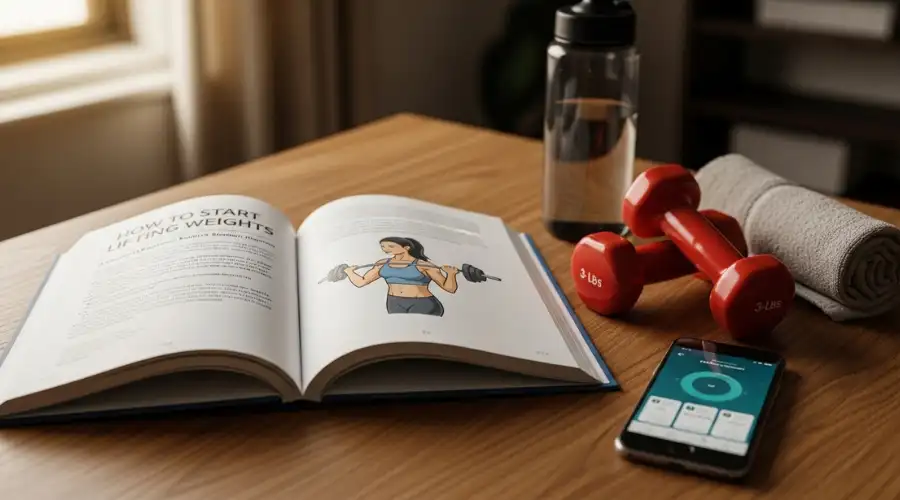
  • How to Start Lifting Weights | A Complete Beginner’s Guide to Strength Training

    Starting a weightlifting journey is one of the best decisions you can make for your health and confidence. Strength training doesn’t just build muscle it boosts your metabolism, strengthens bones, enhances mobility, and supports long-term well-being.

    Whether you’re new to the gym or training at home, learning how to lift weights correctly ensures steady progress and reduces the risk of injury. This guide covers everything you need from preparation and exercises to programming and safety to help you lift with confidence.

    Preparing to Start Weightlifting

    Before you jump into lifting, take time to prepare properly. A solid foundation ensures you make progress safely.

    A. Get Professional Guidance

    If you’re completely new, consider working with a certified trainer. They can teach you proper form, help you avoid common mistakes, and create a plan tailored to your fitness goals.

    B. Choose the Right Equipment

    You don’t need a full gym setup to begin. Start with what’s available:

    • Bodyweight exercises: Squats, push-ups, and lunges require no equipment.
    • Dumbbells or kettlebells: Perfect for home workouts and progressive strength training.
    • Resistance bands: Lightweight, versatile, and beginner-friendly.
    • Gym machines or barbells: Great for building strength once your technique improves.

    C. Warm Up Properly

    A 5–10 minute warm-up prepares your body and prevents injury. Try light cardio like brisk walking or jumping jacks followed by dynamic stretches for your shoulders, hips, and legs.

    Best Beginner Weightlifting Exercises

    These foundational exercises work major muscle groups and build strength evenly across your body. Start with lighter weights and focus on perfect form.

    Dumbbell Single-Arm Row

    Targets: Back, arms
    How to do it: Place one knee and hand on a bench, hold a dumbbell in the other hand, and pull it toward your torso. Lower slowly and repeat.

    Dumbbell Shoulder Press

    Targets: Shoulders
    How to do it: Hold dumbbells at shoulder height, palms forward. Press them upward until arms are nearly straight. Lower slowly.

    Dumbbell Chest Press

    Targets: Chest
    How to do it: Lie flat on a bench holding dumbbells at chest level. Push them upward until your arms are extended, then lower slowly.

    Bicep Curl

    Targets: Front of upper arms
    How to do it: Stand tall, hold dumbbells at your sides, palms up. Curl toward your shoulders, keeping elbows close to your body.

    Triceps Extension

    Targets: Back of upper arms
    How to do it: Hold one dumbbell overhead with both hands. Bend your elbows to lower the weight behind your head, then raise it back up.

    Squat

    Targets: Legs, glutes
    How to do it: Stand with feet shoulder-width apart. Lower your body as if sitting in a chair, keeping your chest up and knees behind toes. Return to standing.

    Lunge

    Targets: Legs, core
    How to do it: Step forward with one leg, lowering until both knees are at 90 degrees. Push back up to standing. Alternate legs.

    Calf Raise

    Targets: Calves
    How to do it: Stand on the edge of a step. Raise your heels slowly, pause, and lower back down for a full range of motion.

    Plank

    Targets: Core, shoulders, back


    How to do it: Rest on forearms and toes, keeping your body in a straight line. Engage your abs and hold for 20–60 seconds.

    Structuring Your Training Program

    A well-planned routine ensures consistent progress and balanced strength gains.

    Frequency and Schedule

    For beginners, training 2–4 times per week is ideal. Start with three full-body sessions weekly, allowing rest days between workouts.

    Example Schedule:

    • Day 1: Chest, shoulders, arms, core
    • Day 2: Back, legs, core
    • Day 3: Full-body workout or mobility session

    Sets, Reps, and Progression

    • Start with 1–2 sets of 8–12 reps for each exercise.
    • Gradually increase to 3 sets as your strength improves.
    • Once you can complete all reps with good form, increase the weight by 5–10%.
    • Focus on controlled movement rather than lifting heavy too soon.

    Rest and Recovery

    • Rest 60–90 seconds between sets.
    • Give muscle groups at least 48 hours before training them again.
    • Include stretching and mobility work after each session to maintain flexibility.

    Safety Tips for Beginners

    Safety should always come first in weightlifting. Use proper form, listen to your body, and avoid rushing progress.

    Follow these guidelines:

    • Wear supportive shoes with a flat sole.
    • Perform each lift slowly and with control.
    • Keep your core tight to protect your spine.
    • Exhale during exertion and inhale during relaxation.
    • Stop immediately if you feel sharp pain or dizziness.
    • Consult a doctor before beginning if you have existing health issues.

    Tracking Progress and Staying Motivated

    Tracking your workouts helps you see progress and stay consistent.

    Tips for motivation:

    • Record your workouts: Write down exercises, weights, and reps each session.
    • Set realistic goals: For example, “I’ll increase my squat weight by 5 kg in 8 weeks.”
    • Celebrate small wins: Notice improved endurance, posture, or energy levels.
    • Vary your routine: Change exercises every 6–8 weeks to keep challenging your body.
    • Prioritize consistency: Progress comes from regular training, not perfection.

    Frequently Asked Questions

    Start with a weight you can lift for 8–12 reps while maintaining good form. The last two reps should feel challenging but not painful.

    Yes! Many beginners start with bodyweight movements, dumbbells, or resistance bands. A gym provides variety, but it’s not required.

    Most people notice strength improvements within 3–4 weeks and visible muscle tone after 8–12 weeks, depending on consistency and nutrition.

    Conclusion

    Starting a weightlifting routine is an empowering decision. With the right mindset, proper form, and consistent effort, you’ll build strength, confidence, and long-term health. Focus on gradual progress rather than perfection small, consistent improvements lead to lasting results.

    Remember: it’s not about how much weight you lift, but how well you lift it. Begin light, move with purpose, and enjoy every milestone on your strength journey.