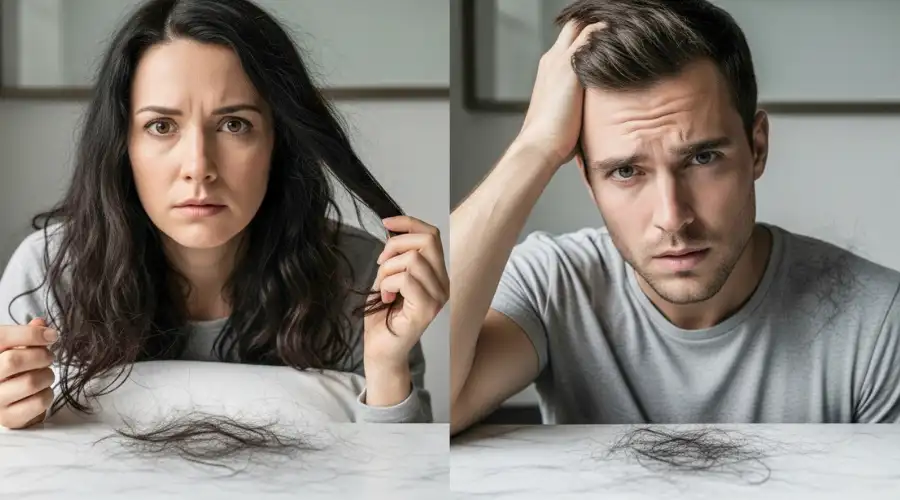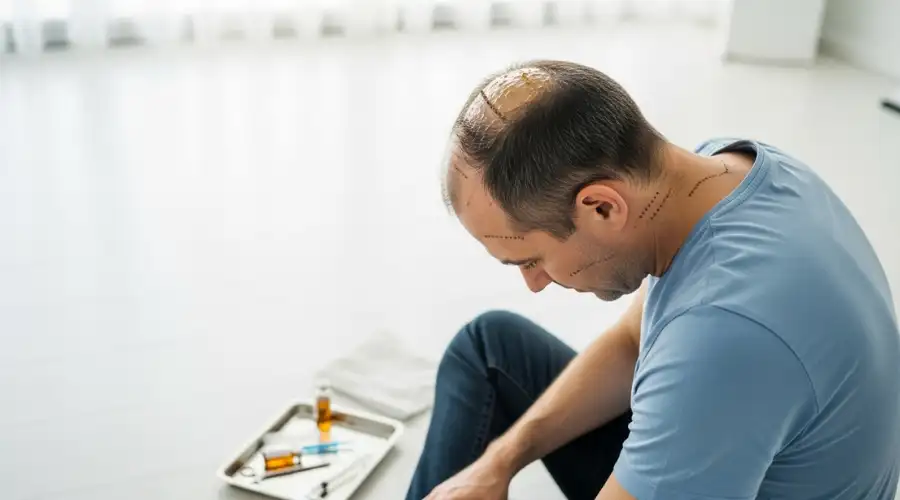
• PRP Treatment for Baldness | Effective Hair Regrowth Solution

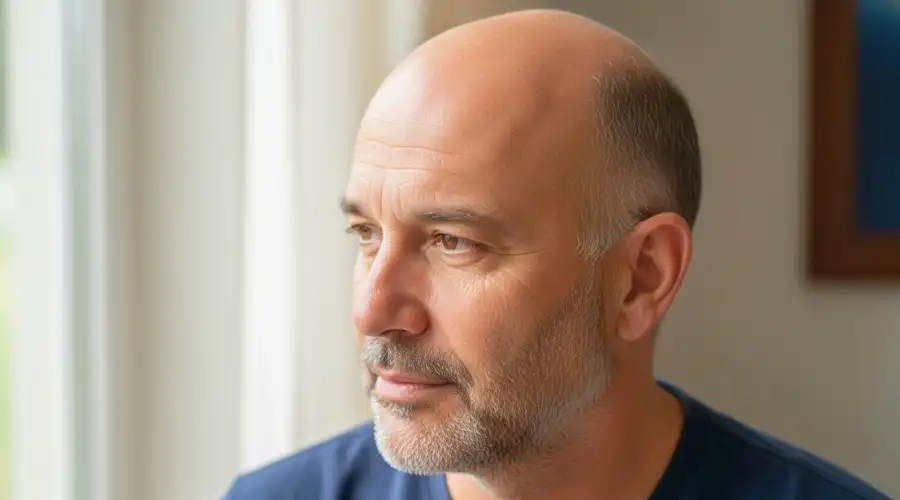
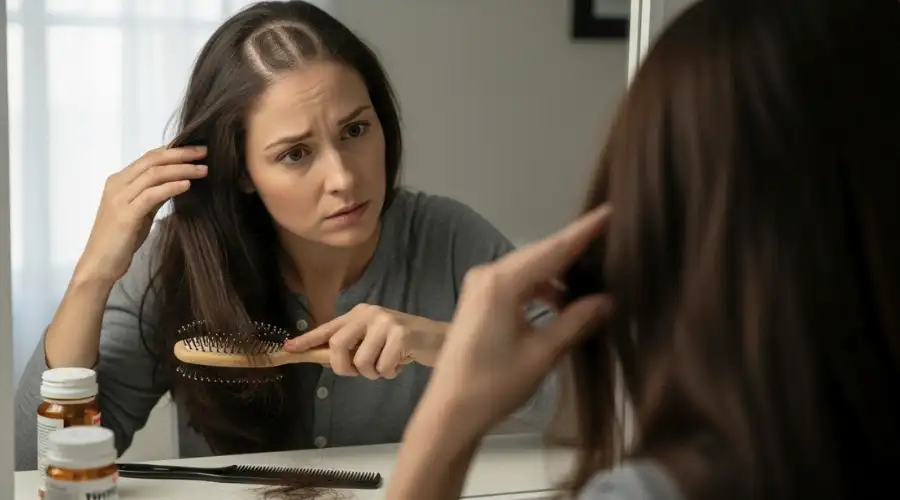
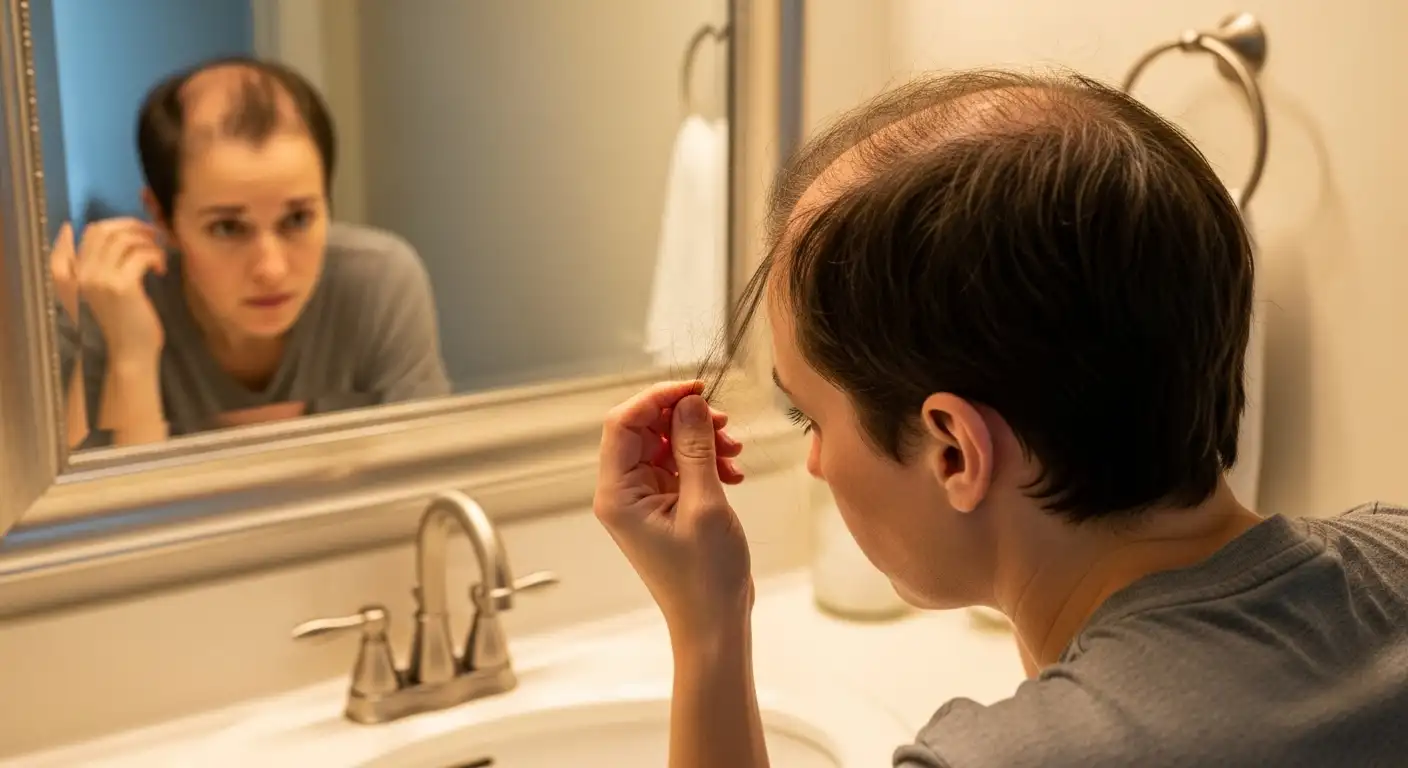
    Hair loss affects millions of people worldwide, impacting self-confidence and overall well-being. Whether caused by genetics, hormonal changes, or aging, baldness can be distressing. Among various hair restoration methods, PRP treatment for baldness has emerged as a promising and minimally invasive solution. This innovative therapy leverages your body’s natural healing properties to stimulate hair growth and improve scalp health.

    In this guide, we’ll explore what PRP is, how it works, the treatment process, benefits, potential side effects, and what to expect for optimal results.

    What Is PRP Treatment for Baldness?

    PRP, or Platelet-Rich Plasma, is a concentration of platelets derived from your own blood. Platelets are rich in growth factors that accelerate tissue repair and regeneration. When injected into the scalp, PRP stimulates dormant hair follicles, improves blood circulation, and encourages new hair growth.

    Unlike hair transplants, PRP does not require surgery. It is a non-invasive, natural therapy that uses your own biological resources, making it a safe and well-tolerated option for most patients.

    How Does PRP Work for Hair Growth?

    PRP works on the principle of cellular regeneration. Here’s how it helps combat baldness:

    • Platelet Activation: Blood is drawn from the patient and processed in a centrifuge to separate platelets from other components.
    • Concentration of Growth Factors: The resulting plasma is rich in proteins and growth factors that signal hair follicles to regenerate.
    • Injection into Scalp: The PRP is injected directly into areas affected by thinning hair or baldness.
    • Stimulation of Hair Follicles: Growth factors activate dormant follicles, prolong the anagen (growth) phase, and increase follicle size.

    This multi-step process enhances scalp health, strengthens existing hair, and can even lead to the growth of new hair in thinning areas.

    Who Is a Good Candidate for PRP Treatment for Baldness?

    PRP therapy is suitable for individuals experiencing mild to moderate hair loss. Common candidates include:

    • People with androgenetic alopecia (male or female pattern baldness)
    • Individuals with thinning hair due to stress, hormonal imbalance, or aging
    • Patients looking for non-surgical hair restoration

    However, PRP may not be effective for individuals with complete baldness or those who have significant scarring on the scalp. A consultation with a qualified dermatologist or hair restoration specialist is crucial to determine suitability.

    The PRP Treatment Process

    Understanding the procedure helps set realistic expectations. PRP treatment generally involves the following steps:

    ➡️Blood Collection

    A small amount of blood (typically 10–20 ml) is drawn from the patient’s arm.

    ➡️Centrifugation

    The blood is placed in a centrifuge, which separates the platelets from red blood cells and plasma.

    ➡️Preparation of PRP

    The platelet-rich plasma is carefully extracted for use in the scalp.

    ➡️Scalp Injections

    Using a fine needle, the PRP is injected into thinning areas of the scalp. Some clinics may use microneedling to enhance absorption and stimulate growth.

    ➡️Post-Treatment Care

    Patients may experience mild redness or swelling, which typically subsides within 24–48 hours. Normal activities can usually be resumed immediately.

    Benefits of PRP Treatment for Baldness

    PRP therapy offers several advantages over conventional hair restoration methods:

    • Non-Surgical: No incisions or stitches are required.
    • Natural Approach: Uses your own blood, reducing the risk of allergic reactions.
    • Minimal Downtime: Most patients can resume daily activities immediately.
    • Stimulates Hair Growth: Strengthens existing hair and promotes new growth.
    • Safe and Effective: Clinical studies show promising results in both men and women.

    Potential Side Effects and Considerations

    PRP is generally considered safe because it uses autologous (self-derived) plasma. However, some mild side effects may occur:

    • Temporary swelling or redness at injection sites
    • Mild pain or scalp tenderness
    • Rare instances of infection

    Patients with blood disorders, severe anemia, or certain chronic illnesses should consult their doctor before treatment. It’s also essential to have realistic expectations results vary depending on hair loss severity and individual response.

    How Many Sessions Are Needed?

    Typically, PRP treatment involves 3 to 6 sessions spaced 4–6 weeks apart. Maintenance sessions every 4–6 months may be recommended to sustain results. Visible improvements are often noticed after 2–3 months, with significant hair density enhancement after 6 months.

    Comparing PRP to Other Hair Loss Treatments

    Treatment TypeInvasivenessRecovery TimeEffectiveness on Hair RegrowthNatural Approach
    PRP TreatmentLowMinimalHigh for mild to moderate lossYes
    Hair TransplantHighWeeksHigh for permanent restorationNo
    Minoxidil (Topical)LowNoneModerateYes
    Finasteride (Oral)LowNoneModerate to highNo

    PRP is often combined with medications like Minoxidil or Finasteride for enhanced results.

    Tips for Maximizing PRP Results

    • Follow Specialist Advice: Stick to the recommended session schedule.
    • Maintain Scalp Health: Avoid harsh chemicals and keep the scalp clean.
    • Healthy Lifestyle: Proper nutrition, hydration, and stress management improve outcomes.
    • Avoid Smoking: Smoking can impair circulation and hinder hair growth.

    Frequently Asked Questions (FAQs)

    Most patients experience only mild discomfort during injections. Local numbing agents are often used to minimize pain.

    A typical PRP treatment lasts 60–90 minutes, including blood collection and injection.

    Yes, PRP is effective for both men and women experiencing thinning hair or early-stage baldness.

    Conclusion

    In conclusion, PRP treatment for baldness is a safe, effective, and minimally invasive solution for individuals experiencing hair thinning or early-stage baldness. By harnessing the healing properties of your own blood, PRP stimulates dormant follicles, strengthens existing hair, and promotes natural growth. While multiple sessions are typically required, the procedure’s minimal downtime and natural approach make it an attractive option compared to surgical alternatives. With proper care and realistic expectations, PRP can help restore both hair and confidence.
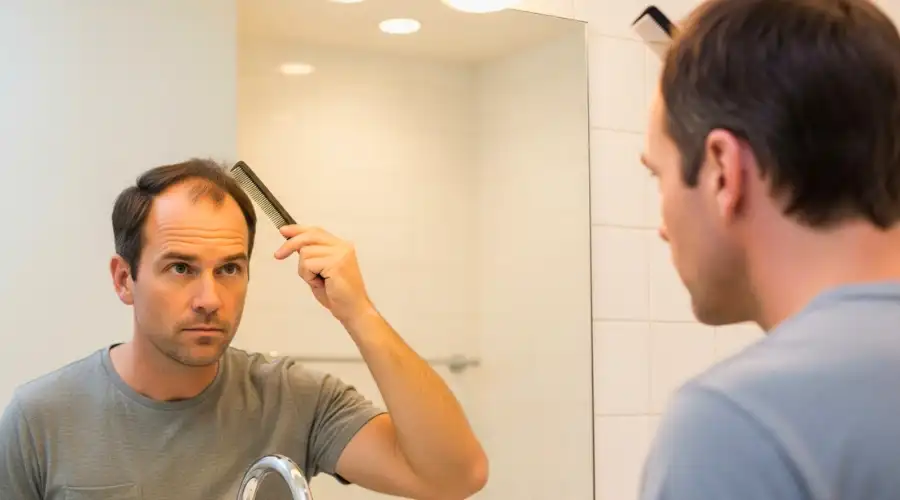

  • Effective Treatment for Receding Hairline – Proven Solutions That Work

    A receding hairline is one of the first visible signs of hair loss, often beginning subtly and progressing over time. It can affect both men and women, though it’s more common among men due to genetic and hormonal factors. Watching your hairline move backward can be distressing impacting self-esteem and confidence. Fortunately, modern science, combined with natural approaches, offers several effective solutions. In this comprehensive guide, we’ll explore the best treatments for receding hairline, from home remedies and lifestyle changes to advanced medical procedures.

    Understanding a Receding Hairline

    Before diving into treatments, it’s crucial to understand what causes a receding hairline. Typically, it’s a form of androgenetic alopecia (pattern baldness), influenced by genetics and the hormone Dihydrotestosterone (DHT). Over time, DHT shrinks hair follicles, leading to thinner strands and eventually, hair loss.

    Common Causes of a Receding Hairline

    • Genetics: If baldness runs in your family, you’re more likely to experience it.
    • Hormonal Changes: DHT and other hormones can weaken hair follicles.
    • Aging: Hair naturally thins as we age, slowing regrowth.
    • Stress and Poor Nutrition: Lack of essential nutrients and chronic stress accelerate hair loss.
    • Lifestyle Factors: Smoking, lack of sleep, and improper scalp care can contribute to thinning hair.

    Effective Medical Treatments for Receding Hairline

    ➡️Minoxidil Rogaine

    One of the most popular treatments for receding hairline, Minoxidil is an FDA-approved topical solution. It promotes blood circulation to the scalp, stimulating dormant follicles to regrow hair. Regular application can lead to noticeable improvement within 3–6 months.

    Pros: Easy to apply, affordable, and available over-the-counter.
    Cons: Results fade if discontinued, may cause scalp dryness in some users.

    ➡️Finasteride Propecia

    Finasteride is a prescription oral medication that blocks DHT, the hormone responsible for follicle miniaturization. By reducing DHT levels, it helps prevent further hair loss and can encourage regrowth in men.

    Pros: Scientifically proven to slow hair loss effectively.
    Cons: May cause side effects like decreased libido; not recommended for women.

    ➡️Low-Level Laser Therapy LLLT

    Laser combs, caps, or helmets use red light to improve cellular activity in hair follicles. This non-invasive treatment for receding hairline enhances growth cycles and strengthens hair strands.

    Pros: Painless, convenient, and suitable for home use.
    Cons: Results take time; devices can be costly.

    ➡️Platelet-Rich Plasma (PRP) Therapy

    PRP therapy involves drawing a small amount of your blood, processing it to concentrate platelets, and injecting it into the scalp. Platelets contain growth factors that boost follicle regeneration and healing.

    Pros: Natural, effective, and safe for most individuals.
    Cons: Multiple sessions needed; relatively expensive.

    ➡️Hair Transplant Surgery

    For advanced cases, hair transplant is a permanent solution. Surgeons transfer healthy hair follicles from the back or sides of the head to thinning areas, creating a natural-looking hairline.

    Pros: Long-lasting, natural results.
    Cons: High cost and minor recovery period required.

    Natural and Home Remedies for Receding Hairline

    If you prefer gentle, chemical-free methods, several natural treatments for receding hairline can support regrowth and improve scalp health.

    ➡️Scalp Massage

    Regularly massaging your scalp improves blood flow and strengthens roots. Using oils such as castor oil, coconut oil, or rosemary oil adds nourishment and promotes thicker hair growth.

    ➡️Aloe Vera

    Aloe vera soothes scalp irritation and helps maintain a healthy pH balance. It can be applied directly to the scalp as a natural conditioner to encourage stronger, shinier hair.

    ➡️Onion Juice

    Rich in sulfur and antioxidants, onion juice helps stimulate collagen production and promote regrowth. Apply it for 15–20 minutes before rinsing to improve hair density over time.

    ➡️Green Tea Rinse

    Green tea contains polyphenols and catechins that reduce DHT levels and boost circulation. Rinsing your scalp with cooled green tea can strengthen hair follicles naturally.

    ➡️Balanced Nutrition

    A nutrient-rich diet supports hair health from within. Ensure adequate intake of:

    • Biotin and Zinc: Essential for keratin production.
    • Vitamin D and E: Support scalp and follicle health.
    • Protein: Strengthens hair strands and prevents breakage.

    Lifestyle Changes to Prevent Further Hairline Recession

    ➡️Reduce Stress

    Chronic stress can trigger hormonal imbalances, accelerating hair loss. Practice meditation, yoga, or deep breathing to keep stress levels in check.

    ➡️Avoid Tight Hairstyles

    Constant pulling from ponytails, braids, or buns can lead to traction alopecia a form of hair loss caused by strain on follicles.

    ➡️Protect Your Scalp

    Excessive sun exposure can damage the scalp and weaken follicles. Use hats or UV-protection sprays when spending long hours outdoors.

    ➡️Use Mild Hair Products

    Avoid shampoos and conditioners with harsh chemicals like sulfates and parabens. Opt for gentle, sulfate-free formulas that maintain scalp moisture balance.

    ➡️Maintain Regular Exercise

    Improved blood flow through physical activity nourishes hair follicles and promotes growth.

    Emerging Advanced Treatments for Receding Hairline

    Science continues to innovate in hair restoration. Some new, promising options include:

    ➡️Stem Cell Therapy

    This procedure uses stem cells to regenerate damaged follicles, encouraging natural growth. It’s currently under research but shows impressive early results.

    ➡️Microneedling

    Microneedling creates tiny punctures in the scalp, promoting collagen production and absorption of growth serums or Minoxidil for better results.

    ➡️Exosome Therapy

    A next-generation PRP alternative, exosome therapy delivers powerful growth signals directly to follicles, accelerating regrowth without surgery.

    How to Choose the Right Treatment

    Selecting the right treatment for receding hairline depends on factors like age, cause, hair loss pattern, and budget.
    Here’s how you can decide:

    • Early Stage Hair Loss: Start with Minoxidil or natural remedies.
    • Progressive Hair Loss: Combine Minoxidil with Finasteride or PRP therapy.
    • Severe Hairline Recession: Consider a hair transplant or advanced laser treatments.

    Consulting a dermatologist or trichologist ensures you get a customized plan for lasting results.

    Tips for Maintaining a Healthy Hairline

    • Wash your scalp regularly to prevent buildup.
    • Avoid heat styling and chemical treatments.
    • Sleep on a silk pillowcase to reduce friction.
    • Stay hydrated and follow a balanced diet.
    • Use growth serums or oils as preventive care.

    Frequently Asked Questions (FAQs)

    The best treatment depends on the cause and severity. Options include Minoxidil, Finasteride, PRP therapy, and hair transplant. A dermatologist can guide the right choice.

    Early-stage hairline recession may improve with scalp massages, oils, good nutrition, and stress management. Advanced cases usually need medical treatments.

    Most treatments take 3–6 months to show results. Consistency is crucial, as stopping early can slow progress.

    Conclusion

    In conclusion, finding the best treatment for receding hairline involves understanding your hair loss cause and choosing a suitable combination of medical, natural, and lifestyle approaches. From clinically proven options like Minoxidil and PRP therapy to home-based remedies like scalp massages and aloe vera, numerous solutions can help restore your hairline and confidence. With patience, consistency, and the right care, you can slow down hair loss and even reverse its effects over time.

  • Effective Female Baldness Treatment Options for Hair Regrowth

    Hair is more than just a part of appearance it’s a symbol of confidence, identity, and femininity. When women experience baldness or severe hair thinning, it can cause emotional distress and impact self-esteem. Female baldness, also known as female pattern hair loss (FPHL), is more common than many realize. While it’s often associated with aging or genetics, hormonal imbalances, stress, and lifestyle factors also play significant roles.

    Fortunately, there are effective female baldness treatments that can help restore hair growth and prevent further loss. In this guide, we’ll explore medical solutions, natural remedies, and preventive strategies to help women achieve thicker, healthier hair.

    Understanding Female Baldness

    What Is Female Pattern Baldness?

    Female pattern baldness is a form of hair loss that typically results in thinning hair across the crown and top of the scalp. Unlike male baldness, it rarely leads to complete bald spots. The condition usually progresses gradually and can begin as early as a woman’s 30s or 40s.

    Common Causes of Female Baldness

    Several factors can contribute to hair thinning and baldness in women, including:

    • Genetics: Family history plays a key role in determining susceptibility.
    • Hormonal changes: Menopause, pregnancy, and thyroid issues can disrupt hormone levels and trigger hair loss.
    • Nutritional deficiencies: Lack of iron, vitamin D, or protein can weaken hair follicles.
    • Stress: Chronic stress affects hair growth cycles and increases shedding.
    • Medical conditions: Polycystic ovary syndrome (PCOS), anemia, or autoimmune disorders can lead to baldness.

    Understanding the cause is the first step in choosing the right female baldness treatment.

    Medical Treatments for Female Baldness

    ➡️Minoxidil Rogaine

    Minoxidil is one of the most popular FDA-approved treatments for female pattern baldness. Available as a topical foam or solution, it works by stimulating hair follicles and extending the growth phase of hair.

    • How to use: Apply 2% or 5% Minoxidil directly to the scalp once or twice daily.
    • Results: Visible regrowth can appear after 3 to 6 months of consistent use.
    • Note: It must be used continuously; stopping can lead to hair loss resuming.

    ➡️Finasteride and Dutasteride

    While primarily prescribed for men, these oral medications can be effective for postmenopausal women under medical supervision. They work by reducing dihydrotestosterone (DHT), a hormone that shrinks hair follicles.

    • Caution: These medications should not be used by women who are pregnant or of childbearing potential due to potential birth defects.

    ➡️Low-Level Laser Therapy LLLT

    Low-level laser devices, such as laser combs or helmets, help stimulate hair follicles by increasing blood circulation to the scalp. Studies show that consistent use can improve hair density and reduce shedding.

    • Best for: Women with mild to moderate hair thinning.
    • Advantages: Non-invasive, painless, and suitable for home use.

    ➡️Platelet-Rich Plasma PRP Therapy

    PRP therapy is a modern, minimally invasive procedure. It involves drawing a small amount of your blood, separating the plasma rich in growth factors, and injecting it into the scalp.

    • How it helps: PRP boosts hair follicle activity and encourages new hair growth.
    • Treatment plan: Typically performed once a month for 3–4 months, followed by maintenance sessions.

    ➡️Hair Transplant Surgery

    For women with advanced baldness, hair transplantation offers a permanent solution. In this procedure, hair follicles are taken from denser areas and implanted in bald or thinning regions.

    • Techniques: Follicular Unit Extraction (FUE) or Follicular Unit Transplantation (FUT).
    • Result: Natural-looking hair growth that lasts for years.

    Natural and Home Remedies for Female Baldness

    While medical treatments are effective, some women prefer natural approaches or combine them for better results.

    ➡️Scalp Massage and Essential Oils

    Massaging your scalp regularly improves blood circulation and strengthens hair follicles. Using essential oils like rosemary, peppermint, or lavender oil mixed with carrier oils can promote hair growth naturally.

    ➡️Balanced Diet and Supplements

    A nutrient-rich diet plays a vital role in maintaining healthy hair. Include:

    • Protein-rich foods: Eggs, fish, lentils, and nuts.
    • Iron sources: Spinach, red meat, and legumes.
    • Vitamins: Biotin, vitamin D, zinc, and B-complex supplements support hair growth.

    ➡️Herbal Remedies

    Certain herbs are known for improving scalp health and hair thickness:

    • Aloe Vera: Reduces inflammation and nourishes the scalp.
    • Saw Palmetto: Blocks DHT, which causes follicle shrinkage.
    • Ginseng: Stimulates hair follicles and encourages regrowth.

    ➡️Stress Management

    Chronic stress can lead to hair fall and slow regrowth. Incorporate yoga, meditation, or regular exercise into your lifestyle to reduce cortisol levels and improve scalp circulation.

    Preventing Female Baldness

    While not all causes can be avoided, these preventive steps can help minimize hair thinning:

    • Avoid harsh treatments: Limit chemical dyes, bleaching, and heat styling.
    • Gentle hair care: Use sulfate-free shampoos and avoid tight hairstyles.
    • Stay hydrated: Proper hydration supports scalp health.
    • Regular scalp checkups: Visit a dermatologist early if you notice thinning or excessive shedding.

    When to See a Doctor

    If you notice sudden or patchy hair loss, or if hair falls out in clumps, consult a dermatologist or trichologist. Early diagnosis is key to successful treatment. A professional can run blood tests to detect hormonal or nutritional imbalances and recommend customized treatment plans.

    Comparing Medical and Natural Treatments

    Treatment TypeExampleBest ForExpected Results
    MedicalMinoxidil, PRP, Laser TherapyModerate to severe baldnessNoticeable regrowth in 3–6 months
    NaturalEssential oils, herbs, dietMild hair thinningGradual improvement with consistent use
    SurgicalHair transplantAdvanced baldnessLong-lasting, natural results

    A combination of both approaches often delivers the best outcome. For example, using Minoxidil along with PRP or supplements can significantly boost regrowth rates.

    Frequently Asked Questions (FAQs)

    In some cases, yes. Early-stage baldness caused by stress or nutrient deficiency can be reversed with diet, supplements, and scalp care.

    Most treatments take 3 to 6 months of consistent use to show visible hair regrowth. Patience and regular care are key.

    Yes, hair transplant procedures are safe and effective for women, provided they are performed by qualified specialists. Results are natural and long-lasting.

    Conclusion

    In conclusion, female baldness is a common but treatable condition that can be managed effectively with the right approach. From proven medical treatments like Minoxidil, PRP therapy, and laser therapy to natural remedies such as essential oils, proper nutrition, and stress control, women have multiple options to restore healthy hair growth. Early diagnosis, consistency, and guidance from a dermatologist are key to achieving long-term results. With dedication and care, regaining hair thickness and confidence is entirely possible.

  • Vitamins for Hair Growth and Thickness | Boost Healthy Hair Naturally

    A healthy head of hair is often seen as a symbol of vitality and beauty. But achieving thicker, stronger hair doesn’t just rely on hair care products or salon treatments. The foundation of healthy hair starts from within, with proper nutrition and essential vitamins. Vitamins play a critical role in stimulating hair growth, maintaining scalp health, and improving hair thickness. Understanding which vitamins are most beneficial can transform your hair care routine and provide long-lasting results.

    Why Vitamins Are Crucial for Hair Growth

    Hair is made primarily of a protein called keratin, and its growth is influenced by various internal factors including genetics, hormones, and nutrition. Vitamins act as catalysts in the production of keratin, improve blood circulation to hair follicles, and prevent damage from oxidative stress. A deficiency in key vitamins can lead to hair thinning, breakage, and slower growth. On the other hand, adequate intake of essential vitamins supports the development of stronger, thicker, and healthier hair.

    Top Vitamins for Hair Growth and Thickness

    ➡️Vitamin A | The Hair Growth Stimulator

    Vitamin A is essential for cell growth, including hair cells. It also helps the scalp produce sebum, a natural oil that keeps hair moisturized and healthy. A deficiency in vitamin A can lead to dry, brittle hair and even hair loss. However, moderation is key, as excessive vitamin A can have adverse effects.

    Sources: Carrots, sweet potatoes, spinach, kale, and eggs.

    ➡️B-Vitamins | Strengthen Hair from Root to Tip

    The B-vitamin complex, especially biotin (B7), is widely recognized for its role in promoting hair growth. Biotin strengthens hair strands, prevents breakage, and improves overall hair texture. Other B-vitamins like B12 and B6 support red blood cell production, ensuring that hair follicles receive adequate oxygen and nutrients.

    Sources: Whole grains, nuts, eggs, salmon, and avocados.

    ➡️Vitamin C | Boost Collagen and Protect Hair

    Vitamin C is a powerful antioxidant that combats free radicals, which can damage hair follicles and lead to hair thinning. It also plays a crucial role in collagen production—a structural protein vital for strong hair. Regular intake of vitamin C promotes healthier, thicker hair and supports the absorption of iron, another key nutrient for hair growth.

    Sources: Oranges, strawberries, bell peppers, broccoli, and kiwi.

    ➡️Vitamin D | The Hair Follicle Activator

    Vitamin D is essential for hair follicle cycling and may help create new follicles. Low levels of vitamin D are often linked to hair thinning and conditions like alopecia. Ensuring sufficient vitamin D can rejuvenate hair follicles and stimulate growth. Sun exposure is the most natural source, but supplements may be necessary in low-sunlight areas.

    Sources: Sunlight, fatty fish, fortified dairy products, and mushrooms.

    ➡️Vitamin E | Protect and Nourish Hair

    Vitamin E is known for its antioxidant properties, which prevent oxidative stress in the scalp. This vitamin enhances blood circulation to hair follicles, delivering more nutrients and promoting hair growth. Regular intake of vitamin E helps prevent hair damage and split ends, giving hair a thicker, shinier appearance.

    Sources: Almonds, sunflower seeds, spinach, avocados, and olive oil.

    Minerals That Complement Hair Growth

    While vitamins are vital, certain minerals also contribute significantly to hair thickness and health:

    • Iron: Essential for oxygen transport to hair follicles; deficiency can lead to hair loss.
    • Zinc: Supports hair tissue growth and repair, prevents hair thinning.
    • Selenium: Protects scalp cells from oxidative damage.

    Sources: Red meat, poultry, lentils, nuts, seeds, and seafood.

    How to Incorporate Vitamins for Hair Growth and Thickness

    ➡️Balanced Diet

    Eating a variety of nutrient-rich foods ensures that your hair receives all essential vitamins naturally. Include fruits, vegetables, whole grains, lean proteins, and healthy fats in your meals.

    ➡️Supplements

    When dietary intake is insufficient, supplements can fill nutritional gaps. Biotin, vitamin D, and multivitamins formulated for hair growth are popular options. Always consult with a healthcare professional before starting supplements.

    ➡️Healthy Lifestyle

    Vitamins work best when combined with a healthy lifestyle. Adequate sleep, stress management, regular exercise, and proper hydration all contribute to stronger and thicker hair.

    Signs You May Need More Hair-Friendly Vitamins

    • Slow hair growth
    • Thinning hair or bald patches
    • Dry, brittle hair
    • Hair shedding or breakage

    If you notice these signs, reviewing your diet and considering supplementation may help reverse deficiencies and improve hair health.

    Frequently Asked Questions (FAQs)

    Key vitamins include A, B-complex (biotin), C, D, and E, which strengthen follicles and improve scalp health.

    Vitamins help, but thicker hair also requires a healthy diet, proper care, and lifestyle habits.

    Visible hair growth usually takes 2–6 months of consistent vitamin intake.

    Conclusion

    In conclusion, vitamins for hair growth and thickness are essential for maintaining healthy, strong, and fuller hair. Nutrients like vitamin A, B-complex, C, D, and E, along with minerals such as iron and zinc, support hair follicle health, prevent breakage, and promote growth. By combining a nutrient-rich diet, appropriate supplements when needed, and a healthy lifestyle, you can achieve thicker, shinier, and more resilient hair. Prioritizing these vitamins is a simple yet effective way to improve both the health and appearance of your hair.

  • Hair Baldness Treatment | Effective Solutions for Healthy Hair

    Hair baldness affects millions of people worldwide, impacting self-esteem and confidence. Whether caused by genetics, hormonal changes, or lifestyle factors, hair loss is a common concern that can start at any age. Fortunately, modern hair baldness treatments offer multiple solutions to slow down hair loss, stimulate growth, and restore hair health. In this article, we will explore the most effective treatments, preventive measures, and lifestyle strategies to combat hair baldness naturally and medically.

    Understanding Hair Baldness

    Hair baldness, also known as alopecia, occurs when hair follicles shrink or stop producing hair. It can manifest as patchy hair loss or gradual thinning across the scalp. The most common type is androgenetic alopecia, often referred to as male or female pattern baldness. Other types include alopecia areata, telogen effluvium, and scarring alopecia, each caused by different factors such as autoimmune conditions, stress, or scalp infections.

    Recognizing the type of hair baldness is crucial before starting treatment because the effectiveness of therapies varies depending on the cause.

    Medical Hair Baldness Treatments

    Medical interventions are often the first line of defense for hair baldness. These treatments are clinically tested and recommended for various degrees of hair loss.

    ➡️Minoxidil Rogaine

    Minoxidil is a widely-used topical solution that stimulates hair follicles and promotes hair growth. It is available over-the-counter and is effective for both men and women. Consistent application is essential, and results typically appear after 3-6 months.

    Pros: Easy to apply, non-invasive, clinically proven
    Cons: Continuous use required; may cause scalp irritation

    ➡️Finasteride Propecia

    Finasteride is an oral medication primarily for men. It works by blocking the hormone DHT, which causes follicle shrinkage in male pattern baldness. Clinical studies show significant hair regrowth in many users after 6-12 months.

    Pros: Effective for stopping hair loss and promoting regrowth
    Cons: Prescription-only; possible side effects include sexual dysfunction

    ➡️Platelet-Rich Plasma (PRP) Therapy

    PRP therapy involves injecting concentrated platelets from your blood into the scalp to stimulate hair follicles. This treatment encourages natural hair regrowth and is increasingly popular among patients seeking minimally invasive solutions.

    Pros: Natural method using your own blood, minimal downtime
    Cons: Requires multiple sessions; results vary among individuals

    ➡️Hair Transplant Surgery

    Hair transplantation is a surgical option for permanent hair restoration. Techniques like Follicular Unit Transplantation (FUT) and Follicular Unit Extraction (FUE) relocate healthy hair follicles to balding areas.

    Pros: Permanent results, natural-looking hairline
    Cons: Expensive; recovery time required; risk of infection or scarring

    Natural Hair Baldness Treatments

    For those seeking alternative or complementary solutions, natural remedies can improve hair health and potentially slow hair loss.

    ➡️Essential Oils and Scalp Massage

    Oils like rosemary, peppermint, and lavender can stimulate blood circulation to the scalp. Regular scalp massage with these oils may promote hair growth and strengthen hair follicles.

    ➡️Nutritional Support

    Hair health depends heavily on diet. Key nutrients for hair include:

    • Biotin: Strengthens hair and prevents breakage
    • Vitamin D: Supports hair follicle cycling
    • Zinc and Iron: Prevents hair shedding caused by deficiency

    Incorporating leafy greens, nuts, eggs, and lean protein can improve overall hair health.

    ➡️Lifestyle Adjustments

    Chronic stress, poor sleep, and smoking can accelerate hair loss. Mindful practices such as yoga, meditation, and regular exercise can reduce stress-related hair shedding.

    Preventive Measures for Hair Baldness

    Prevention is often more effective than treatment. Healthy hair practices can slow down baldness progression:

    • Avoid excessive heat styling and chemical treatments.
    • Use mild, sulfate-free shampoos to prevent scalp irritation.
    • Maintain a balanced diet rich in vitamins and minerals.
    • Protect your hair from sun damage and pollution.

    Comparing Treatments | Medical vs. Natural

    Treatment TypeEffectivenessDurationCostSide Effects
    MinoxidilModerateOngoingLowScalp irritation
    FinasterideHighOngoingMediumPossible sexual side effects
    PRP TherapyModerate-HighMultiple sessionsHighMild scalp pain, bruising
    Hair TransplantHighPermanentVery HighInfection, scarring
    Essential OilsLow-ModerateLong-termLowRare irritation
    Nutritional SupportModerateLong-termLowNone if balanced diet

    Frequently Asked Questions (FAQs)

    While medical treatments can slow hair loss and promote regrowth, a complete cure may not be possible for everyone, especially in advanced stages. Early intervention is key.

    Results vary by treatment type. Topical and oral medications usually show improvement after 3-6 months, while surgical options provide more immediate, long-term results.

    Natural remedies help improve hair health and may slow thinning but are generally less effective than medical treatments for significant baldness.

    Conclusion

    In conclusion, hair baldness treatment offers a variety of options tailored to the severity and cause of hair loss. Medical solutions such as minoxidil, finasteride, PRP therapy, and hair transplant surgery provide effective results, while natural remedies and lifestyle changes support overall hair health. Early diagnosis, consistent treatment, and preventive care can significantly improve outcomes, restore confidence, and maintain healthy hair. By choosing the right approach, anyone experiencing hair loss can take proactive steps toward thicker, healthier hair.

  • Thyroid Hair Thinning | Causes, Symptoms & Effective Treatments

    Hair is often seen as a symbol of beauty, vitality, and confidence. So, when you start noticing thinning or excessive hair loss, it can be both stressful and alarming. One of the most overlooked causes of hair loss is thyroid imbalance. Thyroid disorders can disrupt your body’s natural hormone balance, leading to thyroid hair thinning a gradual reduction in hair volume, texture, and strength.

    In this article, we’ll explore the connection between your thyroid and hair health, explain why thyroid issues lead to hair thinning, and share effective treatments and prevention tips to help you restore both hormonal balance and hair growth.

    Understanding the Thyroid’s Role in Hair Growth

    The thyroid gland, located at the base of your neck, is responsible for producing hormones that regulate metabolism, energy, and cellular growth. These hormones primarily thyroxine (T4) and triiodothyronine (T3) also play a crucial role in the hair growth cycle.

    When the thyroid produces too much or too little hormone, it affects the body’s ability to generate new hair cells. This imbalance can lead to hair loss, thinning, and brittleness, especially on the scalp, eyebrows, and even eyelashes.

    Types of Thyroid Disorders That Cause Hair Thinning

    ➡️Hypothyroidism Underactive Thyroid

    Hypothyroidism occurs when the thyroid gland doesn’t produce enough hormones. This slows down the body’s metabolism, leading to symptoms such as fatigue, dry skin, weight gain, and hair thinning.

    People with hypothyroidism often experience diffuse hair loss meaning hair falls evenly across the scalp rather than in patches. The hair may become dry, coarse, and prone to breakage due to reduced oxygen and nutrient supply to hair follicles.

    ➡️Hyperthyroidism Overactive Thyroid

    On the other hand, hyperthyroidism results from excessive thyroid hormone production. The overactivity speeds up metabolic processes, leading to rapid hair growth cycles and premature shedding.

    With hyperthyroidism, hair may appear fine, soft, and thin, and hair loss may happen suddenly. Some individuals may also experience eyebrow and body hair loss.

    How Thyroid Hair Thinning Develops

    Thyroid-related hair thinning doesn’t happen overnight. It develops gradually over weeks or months as the hair growth cycle is disrupted.

    The normal hair growth cycle has three stages:

    • Anagen (growth phase) – lasts 2–6 years
    • Catagen (transition phase) – lasts a few weeks
    • Telogen (resting/shedding phase) – lasts about 3 months

    When thyroid hormone levels are imbalanced, the hair spends less time in the growth phase (anagen) and enters the shedding phase (telogen) earlier. As a result, more hair falls out than grows back, leading to noticeable thinning.

    Common Symptoms of Thyroid Hair Thinning

    It’s easy to confuse thyroid-related hair loss with other types of hair thinning, such as pattern baldness or stress-induced shedding. However, certain symptoms may point to a thyroid issue:

    • Gradual, diffuse thinning across the entire scalp
    • Hair that feels dry, brittle, or coarse
    • Thinning of eyebrows, especially the outer edges
    • Slower hair growth despite good hair care
    • Hair shedding that coincides with fatigue, weight changes, or mood swings

    If you notice these signs, it’s important to get a thyroid function test to determine your hormone levels.

    Diagnosis | Identifying Thyroid-Related Hair Loss

    A healthcare professional can diagnose thyroid issues through a blood test that measures levels of TSH (Thyroid-Stimulating Hormone), T3, and T4.

    Additional tests may include:

    • Thyroid antibody tests – to detect autoimmune thyroid diseases such as Hashimoto’s thyroiditis or Graves’ disease.
    • Ultrasound or imaging tests – if physical abnormalities in the thyroid gland are suspected.

    Once diagnosed, the focus shifts to treating the underlying thyroid disorder which, in turn, helps improve hair growth.

    Effective Treatments for Thyroid Hair Thinning

    ➡️Balancing Thyroid Hormone Levels

    The first step to stopping thyroid-related hair loss is correcting hormone imbalances. Depending on your condition:

    • Hypothyroidism is often treated with levothyroxine, a synthetic thyroid hormone that restores normal hormone levels.
    • Hyperthyroidism may require anti-thyroid medications, radioactive iodine therapy, or in some cases, surgery.

    It’s important to follow your doctor’s prescription closely and have your thyroid levels checked regularly to ensure proper dosage.

    ➡️Nutritional Support

    Certain nutrients are essential for both thyroid function and hair growth. Include the following in your diet:

    • Iron and Zinc – prevent hair follicle weakening
    • Selenium – supports thyroid hormone production
    • Biotin and Vitamin B12 – strengthen hair strands and improve texture
    • Omega-3 fatty acids – reduce inflammation and promote scalp health

    Foods like eggs, salmon, nuts, seeds, spinach, and lean meats can support both thyroid and hair health.

    ➡️Manage Stress and Sleep

    Chronic stress and poor sleep can worsen thyroid imbalance and accelerate hair loss. Practice stress-reducing activities such as yoga, meditation, or regular exercise to maintain hormonal stability. Aim for 7–8 hours of quality sleep each night.

    ➡️Use Gentle Hair Care Practices

    When dealing with thyroid hair thinning, avoid harsh treatments that can further damage fragile hair.

    • Use sulfate-free shampoos and mild conditioners.
    • Limit heat styling and chemical treatments.
    • Try scalp massages with essential oils like rosemary or lavender to stimulate blood flow and hair growth.

    ➡️Medical and Cosmetic Solutions

    For persistent hair thinning, dermatologists may recommend:

    • Minoxidil (Rogaine) – a topical solution proven to stimulate hair regrowth.
    • Platelet-Rich Plasma (PRP) therapy – involves injecting your own platelets to enhance hair follicle growth.
    • Laser therapy – improves scalp circulation and strengthens hair follicles.

    Always consult a healthcare professional before starting any treatment.

    Natural Remedies for Thyroid Hair Thinning

    In addition to medical treatments, some natural remedies can help restore hair health.

    • Aloe Vera – soothes the scalp and improves hydration.
    • Coconut Oil – nourishes the scalp and prevents protein loss.
    • Bhringraj and Amla oils – used in Ayurvedic medicine for promoting thicker, healthier hair.
    • Herbal teas like ashwagandha and licorice root may help regulate thyroid function naturally.

    Preventing Future Hair Thinning

    Prevention involves long-term care for both your thyroid and hair:

    • Maintain a balanced diet rich in vitamins and minerals.
    • Schedule regular thyroid check-ups.
    • Manage stress and hormonal health through lifestyle changes.
    • Stay hydrated and maintain good scalp hygiene.

    Consistency is key with proper management, thyroid hair thinning can often be reversed or significantly improved.

    When to See a Doctor

    If you’re experiencing ongoing hair loss, fatigue, or unexplained weight changes, consult an endocrinologist or dermatologist. Early diagnosis and treatment can help you manage symptoms more effectively and prevent further hair loss.

    Frequently Asked Questions (FAQs)

    Thyroid-related hair loss is usually not permanent. Once thyroid hormone levels are properly managed through medication or lifestyle changes, hair growth typically resumes within a few months.

    If your hair loss is diffuse (all over the scalp) and accompanied by symptoms like fatigue, weight changes, or dry skin, it may be thyroid-related. A simple thyroid function test can confirm this.

    Effective treatments include balancing thyroid hormones, maintaining a nutrient-rich diet, managing stress, and using gentle hair care products. In some cases, Minoxidil or PRP therapy can help promote regrowth.

    Conclusion

    In conclusion, thyroid hair thinning is a common yet manageable condition caused by hormonal imbalances. Both hypothyroidism and hyperthyroidism can disrupt the hair growth cycle, leading to gradual thinning and hair loss. The good news is that with timely diagnosis, proper treatment, a nutrient-rich diet, and healthy lifestyle habits, you can restore your hair’s vitality and confidence. Addressing your thyroid health is not just about improving appearance it’s about nurturing your overall well-being from the inside out.

  • Thyroid Hair Regrowth | Effective Tips for Healthy Hair Recovery

    Hair thinning and hair loss are common symptoms of thyroid disorders. Both hypothyroidism and hyperthyroidism can disrupt hair growth cycles, leading to fragile, brittle hair or noticeable hair shedding. The good news is that with the right approach, thyroid hair regrowth is achievable. This guide explores effective strategies, natural remedies, and medical interventions to help you regain healthy hair.

    Understanding Thyroid Hair Loss

    Hair loss linked to thyroid issues occurs because the thyroid gland regulates hormones essential for hair follicle health.

    • Hypothyroidism: Low thyroid hormone levels slow down hair growth, causing diffuse hair thinning. Hair may become dry, brittle, and break easily.
    • Hyperthyroidism: Excess thyroid hormones can accelerate the hair growth cycle, leading to hair shedding and thinning.

    Thyroid-related hair loss typically affects the scalp, eyebrows, and even the outer edges of the eyelashes. Recognizing these patterns early allows for timely interventions and improved hair regrowth outcomes.

    Key Factors Affecting Thyroid Hair Regrowth

    ➡️Hormonal Balance

    Restoring thyroid hormone levels is the first step toward hair regrowth. Working closely with an endocrinologist ensures your hormone levels are monitored and adjusted through:

    • Levothyroxine for hypothyroidism
    • Anti-thyroid medications for hyperthyroidism
    • Regular blood tests to track TSH, T3, and T4 levels

    ➡️Nutrition and Hair Health

    A nutrient-rich diet supports hair regrowth and strengthens hair follicles. Key nutrients include:

    • Protein: Hair is primarily made of keratin, so adequate protein intake is essential.
    • Iron and Zinc: Deficiencies can worsen hair thinning. Include spinach, lentils, and pumpkin seeds.
    • Vitamin D and B-Complex Vitamins: Support hair follicle function and reduce shedding.
    • Omega-3 Fatty Acids: Found in fish, walnuts, and flaxseeds, these fatty acids nourish hair from the inside.

    ➡️Stress Management

    Stress can exacerbate hair loss by triggering telogen effluvium, a condition where hair prematurely enters the shedding phase. Techniques like yoga, meditation, and regular exercise promote overall thyroid health and hair regrowth.

    Effective Treatments for Thyroid Hair Regrowth

    ➡️Topical Solutions

    • Minoxidil: A clinically proven topical solution that stimulates hair follicles and promotes regrowth.
    • Nourishing oils: Coconut oil, castor oil, and rosemary oil improve scalp circulation and strengthen hair shafts.

    ➡️Medical Interventions

    • Platelet-Rich Plasma (PRP) Therapy: PRP injections can help reactivate dormant hair follicles.
    • Hair Transplants: For severe hair loss where follicles are permanently damaged, transplants may be an option.

    ➡️Lifestyle Adjustments

    • Avoid Heat Styling: Excessive use of blow dryers, straighteners, and curling irons can damage fragile hair.
    • Gentle Hair Care: Use sulfate-free shampoos, avoid tight hairstyles, and brush hair gently to prevent breakage.

    Natural Remedies for Thyroid Hair Regrowth

    ➡️Herbal Supplements

    • Ashwagandha and ginseng support thyroid function and hair growth naturally.

    ➡️Scalp Massage

    • Regular scalp massage enhances blood circulation to hair follicles, stimulating growth.

    ➡️A Balanced Sleep Schedule

    • Adequate sleep helps regulate hormones and promotes hair regeneration.

    Monitoring Progress and Patience

    Hair regrowth from thyroid-related issues is a gradual process. It typically takes 3 to 6 months to notice visible improvements after hormone balance and lifestyle adjustments. Keep a hair diary to track changes and consult your doctor regularly to adjust treatments as needed.

    Preventing Future Hair Loss

    • Regular Thyroid Checkups: Maintain hormone levels within the optimal range.
    • Consistent Nutrition: Continue a balanced diet rich in vitamins and minerals.
    • Avoid Hair Stressors: Minimize chemical treatments and harsh styling practices.

    When to Seek Professional Help

    If hair loss persists despite treatment, it may indicate underlying issues such as autoimmune conditions or nutrient deficiencies. Consulting a dermatologist or endocrinologist ensures a tailored approach for effective thyroid hair regrowth.

    Frequently Asked Questions (FAQs)

    Yes, both hypothyroidism and hyperthyroidism can disrupt hair growth cycles, leading to thinning, shedding, and brittle hair. Proper thyroid management often helps restore hair health.

    Hair regrowth usually takes 3 to 6 months after hormone levels are balanced, depending on the severity of hair loss and individual response to treatment.

    A nutrient-rich diet, stress management, scalp massages, and herbal supplements like ashwagandha can support hair regrowth, alongside medical treatments if needed.

    Conclusion

    In conclusion, thyroid hair regrowth is achievable through a combination of hormone regulation, proper nutrition, stress management, and targeted treatments. While results may take time, consistent care and medical guidance can restore hair health and confidence. Understanding your thyroid condition and adopting a holistic approach is key to achieving lasting hair regrowth.

  • Hair Loss and Itching Scalp | Causes, Remedies, and Prevention Tips

    Experiencing hair loss and an itching scalp can be both frustrating and concerning. It’s not just about appearance your scalp health directly impacts your hair growth, comfort, and confidence. From dandruff and dryness to hormonal changes and infections, several factors can cause these issues. The good news? With proper care, understanding, and the right treatments, you can restore balance to your scalp and promote healthy, strong hair.

    This article explores the common causes, effective remedies, and professional treatment options for hair loss and an itchy scalp. Whether your symptoms are mild or persistent, the insights below will help you take control of your scalp health.

    Understanding Hair Loss and Itching Scalp

    Hair loss and itching often go hand in hand because both conditions can result from inflammation, infection, or poor scalp hygiene. The scalp is covered with hair follicles, oil glands, and sensitive skin any disruption can lead to itching, flaking, or shedding.

    In mild cases, temporary irritation or dryness may cause these symptoms. However, persistent itching and noticeable thinning could indicate an underlying problem such as fungal infections, seborrheic dermatitis, or autoimmune disorders.

    Recognizing what triggers your symptoms is the first step to finding relief and preventing further damage.

    Common Causes of Hair Loss and Itching Scalp

    ➡️Dandruff and Seborrheic Dermatitis

    One of the most common causes of scalp itching and mild hair shedding is dandruff, which occurs when the scalp produces excess oil that mixes with dead skin cells. This creates white or yellow flakes that irritate the scalp.

    Seborrheic dermatitis is a more severe form of dandruff, leading to red, greasy patches and stubborn itching. When left untreated, constant scratching can weaken hair roots and cause breakage.

    Solution: Use an anti-dandruff shampoo containing zinc pyrithione, ketoconazole, or selenium sulfide. Maintaining scalp hygiene and avoiding harsh hair products can also reduce flare-ups.

    ➡️Dry Scalp and Environmental Factors

    Cold weather, low humidity, or frequent hot showers can strip the scalp of its natural oils, leading to dryness and irritation. A dry scalp can cause itching and flaking, which may be mistaken for dandruff.

    Solution: Switch to a hydrating shampoo and conditioner. Limit the use of heat styling tools and apply lightweight natural oils, such as argan or coconut oil, to lock in moisture.

    ➡️Allergic Reactions and Product Buildup

    Hair care products like gels, sprays, or dyes can cause allergic reactions or buildup on the scalp. Ingredients such as sulfates, parabens, and artificial fragrances are common irritants.

    Solution: Opt for sulfate-free and dermatologist-approved hair products. Regularly exfoliate your scalp using a gentle scrub to remove residue and restore healthy circulation.

    ➡️Fungal or Bacterial Infections

    A fungal infection such as tinea capitis (ringworm of the scalp) can lead to intense itching, scaling, and hair loss in circular patches. Bacterial infections can also inflame hair follicles, resulting in folliculitis.

    Solution: Seek medical advice for antifungal or antibacterial treatments. Avoid sharing combs, brushes, or hats to prevent spreading the infection.

    ➡️Stress and Hormonal Imbalance

    Chronic stress and hormonal fluctuations, especially in women, can disrupt the hair growth cycle. Conditions like telogen effluvium cause excessive hair shedding after stress, illness, or pregnancy.

    Solution: Incorporate relaxation techniques such as meditation, regular exercise, or yoga. If hormonal imbalance is suspected, consult a healthcare provider for appropriate tests and treatment options.

    ➡️Nutritional Deficiencies

    Lack of essential vitamins and minerals especially iron, zinc, vitamin D, and biotin can lead to weak hair follicles, thinning hair, and scalp irritation.

    Solution: Maintain a nutrient-rich diet with foods like eggs, spinach, fish, and nuts. Supplements may be beneficial if recommended by a healthcare professional.

    Effective Remedies for Hair Loss and Itching Scalp

    ➡️Medicated Shampoos and Treatments

    Over-the-counter shampoos containing ingredients like ketoconazole, salicylic acid, or coal tar can control itching and flaking while reducing scalp inflammation. Use them two to three times a week for best results.

    If symptoms persist, dermatologists may prescribe topical corticosteroids or antifungal creams to target severe conditions like psoriasis or eczema.

    ➡️Natural Home Remedies

    . Aloe Vera Gel

    Aloe vera has natural anti-inflammatory and moisturizing properties that soothe an irritated scalp and promote healing. Apply pure aloe vera gel directly to the scalp for 20 minutes before rinsing.

    . Tea Tree Oil

    Known for its antifungal and antibacterial effects, tea tree oil can help reduce dandruff and scalp infections. Mix a few drops with a carrier oil and massage gently into the scalp.

    . Apple Cider Vinegar

    Diluted apple cider vinegar balances scalp pH, fights bacteria, and removes buildup. Use it as a rinse after shampooing once a week.

    ➡️Scalp Massage and Blood Circulation

    Regular scalp massages boost blood flow to the follicles, delivering nutrients that strengthen hair roots and encourage growth. Use fingertips or a massage brush with nourishing oils like jojoba or castor oil.

    ➡️Balanced Hair Care Routine

    Avoid washing hair with extremely hot water, and minimize the use of harsh styling products. Allow your scalp to breathe by avoiding tight hairstyles that stress the roots.

    ➡️Professional Treatments

    If home remedies and medicated shampoos don’t help, consider dermatological treatments such as:

    • PRP Therapy (Platelet-Rich Plasma): Stimulates hair growth by using your blood’s platelets to repair follicles.
    • Laser Therapy: Promotes cell activity in hair follicles to reduce thinning.
    • Topical Minoxidil: A clinically proven treatment for hair regrowth.

    Always consult a dermatologist before starting any new therapy to ensure safety and effectiveness.

    Prevention Tips for a Healthy Scalp

    Maintaining scalp health is key to preventing both itching and hair loss. Follow these preventive measures for long-term results:

    • Wash regularly but gently: Cleanse your scalp to remove oil and buildup without over-drying it.
    • Avoid scratching: It may feel relieving but can damage follicles and worsen inflammation.
    • Use mild hair products: Choose products free from alcohol, sulfates, and parabens.
    • Stay hydrated and eat balanced meals: Proper nutrition keeps hair and scalp healthy.
    • Protect your scalp: Wear hats in the sun and cover your head in cold or dusty environments.

    When to See a Doctor

    If you notice sudden or excessive hair loss, severe itching, or visible sores, it’s important to consult a dermatologist. Early diagnosis can prevent further damage and help identify underlying issues such as autoimmune diseases, infections, or thyroid disorders.

    Frequently Asked Questions (FAQs)

    Hair loss and an itchy scalp can result from dandruff, fungal infections, hormonal imbalances, stress, or product buildup. Identifying the root cause helps in selecting the right treatment.

    Use a gentle, medicated shampoo, keep your scalp clean, avoid harsh hair products, and nourish your hair with essential oils. A balanced diet and stress management also support healthy hair growth.

    If your symptoms persist, worsen, or are accompanied by redness, sores, or severe shedding, it’s best to consult a dermatologist to diagnose any underlying condition and receive targeted treatment.

    Conclusion

    In conclusion, hair loss and an itching scalp often arise from multiple causes such as dandruff, dryness, infections, or hormonal imbalances, but the good news is that these issues can be effectively managed with proper care and treatment. Identifying the root cause, maintaining good scalp hygiene, using the right products, and adopting a healthy lifestyle can significantly improve scalp health and prevent further hair loss. Combining medical advice with natural remedies and balanced nutrition helps soothe irritation, strengthen hair follicles, and restore your scalp’s natural vitality, ensuring long-term comfort and confidence.

  • Best Hairfall Solution at Home | Natural Remedies for Stronger Hair

    Hairfall is one of the most common beauty concerns that affects both men and women. With modern lifestyles, pollution, stress, and poor nutrition, maintaining healthy hair has become increasingly difficult. While there are countless products and treatments available on the market, many people prefer to use natural methods to restore hair health. The good news is that effective hairfall solutions at home can not only reduce hair loss but also promote stronger and shinier hair without the use of harsh chemicals or expensive salon treatments.

    This guide covers proven home remedies, lifestyle tips, and natural ingredients that can help you manage and reverse hair fall effectively.

    Understanding Hair Fall

    Before exploring remedies, it’s essential to understand why hair fall occurs. On average, losing 50–100 strands of hair per day is normal. However, if you notice excessive shedding, thinning patches, or bald spots, it may indicate an underlying issue.

    Common Causes of Hair Fall

    • Nutritional Deficiencies: Lack of vitamins such as Biotin, Iron, and Vitamin D can weaken hair roots.
    • Hormonal Imbalance: Conditions like thyroid disorders or PCOS can trigger hair loss.
    • Stress: Emotional or physical stress can cause temporary hair shedding (Telogen Effluvium).
    • Chemical Treatments: Frequent coloring, straightening, or perming damages hair cuticles.
    • Poor Hair Care Habits: Using harsh shampoos or not cleaning your scalp properly can lead to buildup and hair breakage.

    Understanding the cause is the first step in finding the right hairfall solution at home.

    Best Hairfall Solutions at Home

    ➡️Coconut Oil Massage

    Coconut oil is one of the oldest and most trusted natural remedies for hair fall. It nourishes the scalp, strengthens the roots, and reduces protein loss from hair strands.

    How to Use:
    Warm two tablespoons of virgin coconut oil and gently massage it into your scalp using circular motions. Leave it overnight and wash it off with a mild shampoo the next morning. Repeat 2–3 times a week.

    Why It Works:
    Coconut oil contains lauric acid, which penetrates deep into the hair shaft and prevents breakage.

    ➡️Aloe Vera for Hair Fall Control

    Aloe vera is rich in proteolytic enzymes that repair damaged cells on the scalp and promote new hair growth.

    How to Use:
    Extract fresh aloe vera gel and apply it directly to your scalp. Leave it for 30–45 minutes before rinsing with lukewarm water.

    Extra Tip: Mix aloe vera gel with a few drops of castor oil for added nourishment.

    ➡️Onion Juice Remedy

    Onion juice is a powerful home remedy for hairfall solution thanks to its high sulfur content, which improves blood circulation and strengthens hair follicles.

    How to Use:
    Blend an onion and strain the juice. Apply it to your scalp using a cotton ball and leave it for 30 minutes. Wash it off with a mild shampoo.

    Why It Works:
    Sulfur boosts collagen production, essential for hair regrowth.

    ➡️Fenugreek Methi Seeds

    Fenugreek seeds are packed with protein and nicotinic acid, which help rebuild hair follicles and strengthen roots.

    How to Use:
    Soak two tablespoons of fenugreek seeds overnight. Grind them into a paste and apply it to your scalp. Leave for 30 minutes before rinsing with cold water.

    Result:
    Regular use reduces dandruff, strengthens roots, and prevents hair thinning.

    ➡️Egg Hair Mask for Strength

    Eggs are a great source of protein, essential for stronger and healthier hair.

    How to Use:
    Mix one egg with a tablespoon of olive oil. Apply the mixture evenly from roots to ends and leave it for 20 minutes. Rinse with cool water and mild shampoo.

    Why It Works:
    The protein and biotin in eggs repair damaged strands and improve hair elasticity.

    ➡️Green Tea Rinse

    Green tea is loaded with antioxidants that prevent hair fall and stimulate growth.

    How to Use:
    Brew two green tea bags in a cup of hot water. After cooling, use the tea as a final rinse after shampooing.

    Why It Works:
    The catechins in green tea reduce DHT (a hormone responsible for hair loss).

    Natural Oils for Hairfall Solution at Home

    ➡️Castor Oil

    Rich in ricinoleic acid and omega-6 fatty acids, castor oil improves blood circulation and nourishes hair roots. Mix it with coconut oil for easier application.

    ➡️Olive Oil

    A great source of antioxidants and Vitamin E, olive oil helps fight dandruff and hydrates the scalp.

    ➡️Argan Oil

    Often called liquid gold argan oil strengthens weak hair and adds a natural shine.

    Using these oils regularly as part of your home hairfall solution routine ensures long-term benefits.

    DIY Hair Masks for Hair Fall Control

    ➡️Banana and Honey Mask

    Bananas contain potassium and natural oils that prevent breakage, while honey adds moisture.
    How to Use: Mash one ripe banana, mix with one tablespoon of honey, and apply for 30 minutes.

    ➡️Yogurt and Lemon Mask

    Yogurt provides protein, and lemon controls dandruff.
    How to Use: Combine two tablespoons of yogurt with a teaspoon of lemon juice and apply it to your scalp.

    These masks act as deep conditioners, improving overall scalp health.

    Healthy Lifestyle Tips for Reducing Hair Fall

    ➡️Eat a Balanced Diet

    Include foods rich in protein, iron, zinc, and omega-3 fatty acids. Eggs, spinach, almonds, and salmon are excellent for hair health.

    ➡️Manage Stress

    Chronic stress can disrupt the hair growth cycle. Practice yoga, meditation, or breathing exercises to keep stress under control.

    ➡️Stay Hydrated

    Drink at least 8–10 glasses of water daily to maintain scalp moisture.

    ➡️Avoid Excessive Heat

    Limit the use of blow dryers, straighteners, or curling irons. Heat weakens hair shafts and causes breakage.

    ➡️Regular Trimming

    Trim your hair every 8–10 weeks to get rid of split ends and maintain healthy growth.

    When to See a Doctor

    If home remedies and natural treatments don’t show improvement after a few months, consult a dermatologist or trichologist. Persistent hair loss may be due to medical issues such as:

    • Thyroid disorders
    • Anemia
    • PCOS
    • Scalp infections

    A doctor can help identify the root cause and recommend appropriate treatments.

    Frequently Asked Questions (FAQs)

    Coconut oil massage, aloe vera, and onion juice are effective natural remedies to reduce hair fall and boost growth.

    Most people notice reduced hair fall within 2–3 months of consistent use.

    They can greatly reduce hair loss, but medical causes may need professional treatment.

    Conclusion

    In conclusion, finding an effective hairfall solution at home doesn’t require expensive products or salon visits. By using natural ingredients like coconut oil, aloe vera, onion juice, and fenugreek, you can strengthen your roots, prevent hair loss, and encourage healthy regrowth. Combined with a balanced diet and stress management, these remedies can transform your hair naturally over time. Patience and consistency are key with proper care, your hair can regain its strength, volume, and shine.

  • Effective Yeast Infection Treatment | Causes, Remedies & Prevention

    Yeast infections are a common yet uncomfortable health issue that many people experience at some point in their lives. While often associated with women, yeast infections can affect anyone including men and even children. The good news is that yeast infection treatment is usually simple, effective, and can be done with either medical or natural remedies.

    In this comprehensive guide, we’ll explore what causes yeast infections, how to recognize the symptoms, the best yeast infection treatments available, and how to prevent them from recurring.

    What Is a Yeast Infection?

    A yeast infection, also known as candidiasis, is caused by an overgrowth of a fungus called Candida albicans. This fungus naturally lives in our bodies particularly in warm, moist areas like the mouth, gut, skin folds, and genital area. However, when the body’s balance of bacteria and yeast is disrupted, Candida can multiply rapidly, leading to infection.

    Common types include:

    • Vaginal yeast infection (most common)
    • Oral thrush (infection in the mouth or throat)
    • Skin yeast infections (under breasts, between thighs, or armpits)
    • Penile yeast infection (less common but possible in men)

    Common Causes of Yeast Infections

    Understanding what causes yeast infections can help in both treatment and prevention. Some common triggers include:

    ➡️Antibiotic Use

    Antibiotics kill not only harmful bacteria but also the good bacteria that help keep yeast under control. This imbalance can lead to fungal overgrowth.

    ➡️Hormonal Changes

    Fluctuations during pregnancy, menstruation, or from birth control pills can create an environment that encourages yeast growth.

    ➡️Weak Immune System

    People with weakened immunity (due to stress, illness, or conditions like diabetes) are more likely to develop yeast infections.

    ➡️High Sugar Intake

    Candida thrives on sugar. Diets high in refined carbs and sweets can promote yeast growth.

    ➡️Poor Hygiene or Tight Clothing

    Wearing tight or non-breathable fabrics can trap moisture, creating a perfect environment for yeast.

    Recognizing the Symptoms of a Yeast Infection

    Vaginal Yeast Infection Symptoms

    • Itching or irritation in the vaginal area
    • Thick, white, cottage cheese-like discharge
    • Redness or swelling
    • Burning sensation during urination or sex

    Oral Thrush Symptoms

    • White patches inside the mouth or on the tongue
    • Soreness or difficulty swallowing
    • Cracked corners of the mouth

    Skin Yeast Infection Symptoms

    • Red, itchy rash in skin folds
    • Small pustules or bumps around the edges of the rash

    If symptoms are severe or persistent, it’s essential to see a healthcare professional for a proper diagnosis.

    Effective Yeast Infection Treatment Options

    1. Antifungal Medications

    The most common yeast infection treatment involves antifungal medications that target Candida. These can be:

    • Topical creams or ointments: Such as clotrimazole or miconazole, available over the counter.
    • Oral antifungal pills: Like fluconazole (Diflucan), prescribed for more severe infections.
    • Vaginal suppositories or tablets: Inserted into the vagina for direct relief.

    These treatments typically work within a few days, but full recovery might take up to a week depending on the severity.

    2. Natural Remedies for Yeast Infection Treatment

    Some people prefer natural or home remedies, especially for mild cases. Here are a few that may help:

    Probiotics

    Probiotic supplements or yogurt with live cultures can help restore the natural balance of good bacteria.

    Coconut Oil

    Coconut oil has antifungal properties. Applying a small amount to affected areas may reduce itching and inflammation.

    Tea Tree Oil

    Diluted tea tree oil can be applied externally (never directly to sensitive skin). It has strong antifungal effects but should be used cautiously.

    Apple Cider Vinegar Baths

    Adding a cup of apple cider vinegar to a warm bath may help restore the vagina’s natural pH and fight yeast overgrowth.

    3. Medical Consultation and Prescription Treatment

    While over-the-counter options work for many, not all yeast infections are the same. Persistent or recurrent infections may require medical evaluation.
    A doctor may recommend:

    • Stronger antifungal drugs for stubborn infections.
    • Lab tests to identify resistant strains of Candida.
    • Addressing underlying conditions such as diabetes or immune disorders.

    How to Prevent Yeast Infections

    Preventing yeast infections involves maintaining a balanced and healthy environment for your body’s microbiome. Follow these tips for long-term prevention:

    ➡️Maintain Good Hygiene

    Keep the genital area clean and dry. Avoid scented soaps, douches, or sprays that can disrupt natural bacteria balance.

    ➡️Choose Breathable Fabrics

    Opt for cotton underwear and loose-fitting clothes to prevent moisture buildup.

    ➡️Eat a Balanced Diet

    Reduce sugar intake and include probiotic-rich foods such as yogurt, kefir, or sauerkraut to support gut health.

    ➡️Manage Stress

    High stress weakens immunity, making infections more likely. Practices like yoga, meditation, and proper sleep can help.

    ➡️Use Antibiotics Wisely

    Only take antibiotics when prescribed and necessary, as they can disrupt natural bacterial balance.

    When to See a Doctor

    While mild yeast infections can often be treated at home, professional help is crucial if:

    • Symptoms persist beyond a week
    • Infections recur frequently
    • There’s unusual discharge, sores, or a strong odor
    • You’re pregnant or have a weakened immune system

    Early medical attention can prevent complications and ensure proper treatment.

    Myths and Misconceptions About Yeast Infection Treatment

    Myth 1: Yeast Infections Only Affect Women

    False. Men can also develop yeast infections, particularly under moist conditions or during sexual contact with an infected partner.

    Myth 2: You Can Treat All Infections With Home Remedies

    While mild cases may respond to natural treatments, chronic or severe infections require professional care.

    Myth 3: Yeast Infections Are a Sign of Poor Hygiene

    Not necessarily. Even those with excellent hygiene can get yeast infections due to hormonal or immune changes.

    Lifestyle Changes to Support Yeast Infection Recovery

    In addition to treatment, lifestyle adjustments can speed up recovery and reduce recurrence:

    • Stay hydrated: Water helps flush toxins and supports healthy body functions.
    • Avoid tight clothing: Especially during recovery.
    • Boost immunity: Include vitamins C and D, and zinc in your diet.
    • Avoid sugar and processed foods: They can feed yeast growth.

    Frequently Asked Questions (FAQs)

    The fastest yeast infection treatment is usually an antifungal medication, such as fluconazole (a single oral dose) or over-the-counter creams like miconazole. Always follow medical advice for best results.

    Mild yeast infections may sometimes clear up on their own, but treatment is recommended to prevent symptoms from worsening or recurring. Using antifungal medication ensures quicker and more complete recovery.

    To prevent yeast infections, maintain good hygiene, wear breathable cotton clothing, avoid unnecessary antibiotics, and include probiotics in your diet to support a healthy bacterial balance.

    Conclusion

    In conclusion, yeast infection treatment is simple and effective when addressed early with the right approach. Whether you choose antifungal medications or natural remedies, consistency and good hygiene are key to fast recovery and long-term prevention. Maintaining a healthy lifestyle, eating a balanced diet, and managing stress can also help prevent future infections. If symptoms persist or recur, consult a healthcare professional to identify underlying causes and ensure proper treatment.