• Deaf Awareness Month | Importance, History & Ways to Promote Inclusion

    Every September, the world comes together to recognize Deaf Awareness Month, a global initiative dedicated to celebrating Deaf culture, promoting understanding, and advocating for equal rights and accessibility. With millions of people around the world identifying as Deaf or hard of hearing, this month offers a powerful opportunity to break down misconceptions, remove communication barriers, and support a more inclusive society.

    Whether you’re new to the topic or looking to deepen your understanding, this comprehensive guide explores the history, significance, and practical ways to honor Deaf Awareness Month in meaningful and impactful ways.

    What Is Deaf Awareness Month?

    Deaf Awareness Month is an annual observance focused on increasing public awareness about Deafness, promoting Deaf culture, and supporting equal access for individuals who are Deaf or hard of hearing. It aims to:

    • Educate people about communication differences
    • Highlight accessibility challenges
    • Encourage the use of sign language
    • Celebrate the achievements of Deaf individuals

    The month also includes International Week of the Deaf, organized by the World Federation of the Deaf, which emphasizes the importance of human rights and cultural recognition.

    The History of Deaf Awareness Month

    Origins and Global Recognition

    Deaf Awareness Month began as an international movement by Deaf organizations working to address inequalities and increase public understanding. The highlight of the month, International Week of the Deaf, dates back to 1958, when it was first celebrated in Rome, Italy.

    Why September?

    September was chosen to commemorate the establishment of the World Federation of the Deaf (WFD) and to honor the long struggle of Deaf communities worldwide for recognition, education access, and civil rights.

    Today, Deaf Awareness Month is recognized in many countries, each with its own events, campaigns, and community celebrations.

    Why Deaf Awareness Month Matters

    ➡️Promoting Communication Access

    Millions of Deaf individuals still face challenges in everyday communication whether at school, workplaces, hospitals, or public services.
    Deaf Awareness Month encourages:

    • Use of sign language
    • Captioning in media
    • Accessible digital content
    • Trained interpreters in essential services

    ➡️Challenging Stereotypes and Misconceptions

    A common misconception is that all Deaf people communicate the same way or experience Deafness similarly. In reality, Deafness exists on a broad spectrum, and communication preferences vary widely from sign language to lip-reading to hearing aids and cochlear implants.

    Awareness helps replace assumptions with understanding.

    ➡️Celebrating Deaf Culture and Identity

    Deaf culture is rich with its own:

    • Language (such as ASL, BSL, PSL, etc.)
    • Traditions and storytelling
    • Art, poetry, and performance
    • Community values and shared experiences

    Deaf Awareness Month reminds the world that Deafness is not a disability to be fixed but a unique identity worth embracing and respecting.

    Understanding the Diversity Within the Deaf Community

    Deaf vs. Hard of Hearing | What’s the Difference?

    Although often grouped together, these terms describe different experiences:

    • Deaf: Significant or complete hearing loss; often identifies with Deaf culture and uses sign language.
    • Hard of hearing: Partial hearing loss; may rely on hearing aids, lip-reading, or both speech and sign language.

    Communication Methods

    Different individuals prefer different communication styles, including:

    • Sign language
    • Speech therapy
    • Lip-reading
    • Assistive devices such as hearing aids
    • Cochlear implants
    • Written communication

    Respecting personal preferences is a key part of inclusion.

    How to Participate in Deaf Awareness Month

    ➡️Learn Sign Language

    Sign language is one of the most meaningful ways to connect. Even learning basic greetings like hello, thank you, or how are you? can help build bridges.

    Many organizations offer online and in-person classes during Deaf Awareness Month.

    ➡️Support Deaf-Owned Businesses

    Purchasing from Deaf entrepreneurs helps promote economic empowerment and highlights the creativity and innovation within the community.

    ➡️Advocate for Accessibility

    Advocacy can be as simple as:

    • Requesting captions on videos
    • Encouraging workplaces or schools to hire interpreters
    • Using apps and tools that support communication access
    • Promoting sign language awareness in your community

    ➡️Participate in Local or Online Events

    Events may include:

    • Workshops
    • Webinars
    • Storytelling sessions
    • Deaf culture festivals
    • Sign language performances

    These experiences offer valuable opportunities to learn and engage respectfully.

    ➡️Educate Yourself and Others

    Share information about Deaf Awareness Month on:

    • Social media
    • School or university clubs
    • Workplace newsletters
    • Community groups

    Raising awareness helps create an inclusive environment for everyone.

    The Role of Technology in Supporting the Deaf Community

    Hearing Devices and Assistive Technology

    Modern technology plays a transformative role in accessibility, offering tools such as:

    • Hearing aids
    • Cochlear implants
    • Captioned phones
    • Real-time text (RTT) apps
    • Speech-to-text devices

    These tools help support communication and independence, though not all individuals choose or benefit from them in the same way.

    Digital Accessibility

    More platforms now include captioning, video relay services, and improved audio features making online experiences more inclusive.

    Common Myths About Deafness Debunked

    ➡️All Deaf people can read lips.

    Reality: Lip-reading is challenging and often inaccurate. Many Deaf people do not rely on it.

    ➡️Sign languages are universal.

    Reality: Each country and sometimes each region has its own sign language, with unique grammar and vocabulary.

    ➡️Hearing devices cure Deafness.

    Reality: Devices can assist, but they don’t restore natural hearing. Many Deaf individuals choose not to use them.

    Breaking these myths helps build respectful and inclusive communities.

    How Schools and Workplaces Can Support Deaf Awareness Month

    ➡️Provide Interpreter Services

    Hiring qualified interpreters ensures clear communication in meetings, classrooms, and events.

    ➡️Offer Sign Language Workshops

    Encourage employees or students to learn basic phrases to foster connection.

    ➡️Implement Accessibility Policies

    Accessibility measures may include:

    • Captions on training videos
    • Visual alert systems
    • Written instructions
    • Assistive listening devices

    ➡️Promote Inclusivity in Events

    Ensure events are accessible by providing interpreters, captioning, and inclusive communication practices.

    Frequently Asked Questions (FAQs)

    It’s an annual observance to raise awareness about Deaf culture, communication, and accessibility.

    Learn basic sign language, attend events, advocate for accessibility, and share information.

    Not all Deaf people read lips, sign language varies by region, and hearing devices don’t cure Deafness.

    Conclusion

    In conclusion, Deaf Awareness Month is more than a calendar observance it is a powerful reminder of the importance of communication, accessibility, and cultural appreciation. By learning about Deaf culture, supporting equal opportunities, and promoting inclusive practices, we contribute to a world where Deaf and hard-of-hearing individuals can thrive without barriers. Every small effort adds up to create meaningful change, and this month offers an ideal opportunity to start that journey.
  • Sensorineural Deafness | Causes, Symptoms, Diagnosis & Treatment

    Sensorineural deafness is one of the most common forms of permanent hearing loss, affecting millions worldwide. It occurs when the inner ear or auditory nerve becomes damaged, making it difficult for sound signals to reach the brain. Unlike temporary hearing issues caused by ear infections or blockages, sensorineural deafness typically requires long-term management.

    In this comprehensive guide, we break down what sensorineural deafness is, its causes, symptoms, diagnosis, and the modern treatment options available. Whether you’re researching for yourself or a loved one, this article provides clear, reliable, and professional insights to help you understand the condition better.

    What Is Sensorineural Deafness?

    Sensorineural deafness also called sensorineural hearing loss (SNHL) occurs when the tiny hair cells inside the cochlea or the auditory nerve pathway are damaged. These hair cells are responsible for converting sound waves into electrical signals that the brain interprets as sound. Once these cells are damaged, they cannot regenerate, leading to permanent hearing loss.

    How Sensorineural Deafness Differs from Other Types of Hearing Loss

    There are three main categories:

    • Sensorineural Hearing Loss (SNHL) – Inner ear or nerve damage
    • Conductive Hearing Loss – Problems in the outer or middle ear (e.g., wax blockage, fluid, eardrum issues)
    • Mixed Hearing Loss – A combination of both

    Sensorineural deafness is the most common and usually the most difficult to treat, as the damage involves delicate structures of the inner ear.

    Common Causes of Sensorineural Deafness

    Sensorineural deafness can develop suddenly or gradually, depending on the cause. Some causes are genetic, while others occur due to environmental or medical factors.

    ➡️Age-Related Hearing Loss Presbycusis

    One of the most common causes, age-related sensorineural hearing loss develops gradually over time. As people age, the hair cells in the cochlea naturally deteriorate, resulting in difficulty hearing high-frequency sounds, background noise, or conversations.

    ➡️Noise-Induced Hearing Loss

    Exposure to loud noise such as machinery, concerts, explosions, or headphones at high volume can permanently damage cochlear hair cells. Once damaged, these cells do not grow back, making noise-induced hearing loss irreversible.

    ➡️Genetic or Congenital Factors

    Some babies are born with sensorineural deafness due to genetic mutations, birth complications, or prenatal infections such as cytomegalovirus (CMV) or rubella.

    ➡️Ototoxic Medications

    Certain medications can be harmful to the inner ear, including:

    • Chemotherapy drugs
    • Some antibiotics (aminoglycosides)
    • Loop diuretics
    • High doses of aspirin or NSAIDs

    These drugs can cause temporary or permanent hearing damage depending on dosage and treatment duration.

    ➡️Illnesses & Medical Conditions

    Diseases that may lead to sensorineural deafness include:

    • Meniere’s disease
    • Acoustic neuroma (a benign tumor on the auditory nerve)
    • Autoimmune disorders
    • Viral infections (mumps, measles, meningitis)

    ➡️Sudden Sensorineural Hearing Loss SSHL

    This is a rapid, unexplained hearing loss that occurs within hours or days. It is considered a medical emergency, and immediate treatment improves recovery chances.

    Symptoms of Sensorineural Deafness

    The symptoms may vary depending on the severity and underlying cause, but most individuals experience:

    Common Symptoms

    • Difficulty hearing speech clearly
    • Trouble understanding conversations in noisy environments
    • Muffled or distorted hearing
    • Ringing in the ears (tinnitus)
    • Feeling that people are mumbling
    • Difficulty hearing high-pitched sounds (e.g., phone ringing, children’s voices)

    When to Seek Medical Help

    Seek urgent medical attention if you experience:

    • Sudden hearing loss
    • Severe dizziness
    • Rapid onset tinnitus
    • Hearing loss in one ear only

    Prompt treatment may prevent long-term damage.

    How Sensorineural Deafness Is Diagnosed

    Diagnosis begins with a hearing specialist (audiologist) or ear, nose, and throat specialist (ENT doctor). The evaluation typically includes:

    ➡️Pure-Tone Audiometry

    This test measures your ability to hear sounds at different pitches and volumes. It helps determine the type and severity of hearing loss.

    ➡️Speech Audiometry

    Measures how clearly you can understand speech at different volume levels.

    ➡️Tympanometry

    Checks the middle ear’s condition to rule out conductive hearing loss.

    ➡️Otoacoustic Emissions OAE Test

    Evaluates cochlear hair-cell function.

    ➡️Auditory Brainstem Response ABR Test

    Determines whether the auditory nerve is properly sending signals to the brain.

    In some cases, imaging tests such as MRI or CT scans are used to detect tumors or abnormalities in the auditory nerve.

    Treatment Options for Sensorineural Deafness

    While sensorineural deafness is usually permanent, effective management options can significantly improve hearing ability and quality of life.

    ➡️Hearing Aids

    Hearing aids amplify sound and are often the first line of treatment. Modern hearing aids come with advanced features such as:

    • Noise reduction
    • Bluetooth connectivity
    • Directional microphones
    • Rechargeable batteries

    They are particularly effective for mild to moderate sensorineural hearing loss.

    ➡️Cochlear Implants

    For individuals with severe or profound sensorineural deafness, cochlear implants may be recommended. These devices bypass the damaged hair cells and directly stimulate the auditory nerve. Unlike hearing aids, cochlear implants require surgery and extensive follow-up therapy.

    ➡️Auditory Brainstem Implants

    Used in rare cases where the auditory nerve is damaged or absent, such as in patients with acoustic neuroma or neurofibromatosis type 2 (NF2).

    ➡️Assistive Listening Devices ALDs

    These include:

    • FM systems
    • Amplified telephones
    • TV listening systems
    • Mobile phone hearing apps

    They support clearer communication in challenging environments.

    ➡️Medical Management When Applicable

    If sensorineural deafness results from infections, autoimmune disorders, or sudden hearing loss, medications such as corticosteroids may help.

    ➡️Rehabilitation & Support

    Hearing rehabilitation programs can help improve communication skills through:

    • Lip-reading training
    • Auditory therapy
    • Counseling
    • Support groups

    Preventing Sensorineural Deafness

    While some causes are unavoidable, many cases can be prevented by adopting healthy hearing habits:

    • Keep headphone volume at safe levels
    • Use ear protection in noisy environments
    • Avoid long-term exposure to loud music
    • Get regular hearing checkups
    • Discuss ototoxic medications with your doctor
    • Maintain a healthy lifestyle to reduce age-related decline

    Frequently Asked Questions (FAQs)

    Sensorineural deafness is most commonly caused by damage to the inner ear’s hair cells due to aging, long-term noise exposure, genetic conditions, or certain medical illnesses.

    There is no permanent cure for sensorineural deafness, but treatments like hearing aids, cochlear implants, and auditory rehabilitation can significantly improve hearing and communication.

    Audiologists use hearing tests such as pure-tone audiometry, speech audiometry, and OAE testing to diagnose sensorineural deafness and determine the level of hearing loss.

    Conclusion

    In conclusion, sensorineural deafness is a lifelong condition, but with the right knowledge and treatment approach, individuals can still maintain strong communication and a high quality of life. Understanding its causes, early symptoms, and available treatment options such as hearing aids and cochlear implants allows for timely intervention and better outcomes. By prioritizing early diagnosis, protecting your ears from loud noise, and seeking professional guidance, you can effectively manage sensorineural hearing loss and safeguard your long-term hearing health.

  • Hearing Aids for Tinnitus | Benefits, Types & How They Reduce Ringing

    Living with tinnitus often described as ringing, buzzing, or hissing in the ears can be frustrating, distracting, and even emotionally draining. For many people, this persistent internal noise interferes with daily life, making it difficult to focus, sleep, or enjoy conversations. While there is no universal cure for tinnitus, modern hearing technology has made remarkable progress. Today, hearing aids for tinnitus are one of the most effective, science-backed tools for managing symptoms and restoring quality of life.

    In this comprehensive guide, you’ll learn how hearing aids reduce tinnitus, the best features to look for, the types of devices available, and whether they may be the right solution for you.

    Understanding Tinnitus and Why Hearing Aids Help

    Tinnitus is not a disease but a symptom usually caused by damage to the auditory system. Most commonly, it appears alongside hearing loss. When the brain receives reduced sound input, it attempts to fill the silence, resulting in internal noises that the person perceives as ringing or buzzing.

    This is where hearing aids for tinnitus play a powerful role.

    How Hearing Aids Reduce Tinnitus Symptoms

    Hearing aids can help in several ways:

    ➡️Amplification of External Sounds

    By boosting surrounding sounds, hearing aids reduce the contrast between real noises and the internal ringing. This makes tinnitus less noticeable and helps the brain focus on meaningful sounds instead of the buzzing.

    ➡️Sound Therapy Features

    Modern hearing aids often include built-in masking sounds such as:

    • Soft white noise
    • Ocean waves
    • Nature tones
    • Ambient soundscapes

    These calming sounds distract the brain and shift attention away from tinnitus.

    ➡️Neural Recalibration

    Consistent sound enrichment helps the auditory system relearn how to interpret sound signals, reducing the intensity of tinnitus over time.

    ➡️Stress & Anxiety Reduction

    Tinnitus may worsen with stress. Hearing aids lessen the emotional burden by improving hearing clarity, which naturally reduces frustration and tension.

    Benefits of Hearing Aids for Tinnitus Relief

    People who use hearing aids for tinnitus often experience improvements such as:

    ➡️Better Speech Understanding

    With clearer hearing, conversations require less effort. This reduces mental fatigue, which is often a major trigger for tinnitus spikes.

    ➡️Greater Confidence in Social Situations

    Tinnitus sufferers often withdraw from noisy environments. Amplification technology helps restore comfort in restaurants, meetings, and family gatherings.

    ➡️Improved Sleep Quality

    Masking features and soothing soundscapes can help quiet the mind before bedtime, promoting restful sleep.

    ➡️Reduced Perception of Ringing

    While not a cure, most users report that tinnitus becomes significantly less noticeable, especially during daily activities.

    Types of Hearing Aids for Tinnitus

    Different hearing aids serve different needs. Here is an overview of the most common styles.

    ➡️Behind-the-Ear BTE Hearing Aids

    Best for:

    Moderate to severe hearing loss, those who want strong sound amplification.

    Advantages:

    • Comfortable for long wear
    • Larger battery capacity
    • Advanced tinnitus sound therapy options

    Limitations:

    More visible than in-ear models.

    ➡️Receiver-in-Canal RIC Hearing Aids

    Best for:

    Users who want a balance of comfort, natural sound, and discreet design.

    Advantages:

    • Lightweight and comfortable
    • Excellent sound clarity
    • Suitable for mild to profound hearing loss

    Limitations:

    Requires regular cleaning due to earwax exposure.

    ➡️In-the-Ear ITE and In-the-Canal ITC Devices

    Best for:

    People seeking discreet hearing aids for tinnitus.

    Advantages:

    • Custom-molded for comfort
    • Almost invisible
    • Convenient for glasses wearers

    Limitations:

    Smaller size means fewer advanced features in some models.

    ➡️Completely-in-Canal CIC Hearing Aids

    Best for:

    Users who want maximum discreteness.

    Advantages:

    • Nearly invisible
    • Natural sound quality

    Limitations:

    • Smaller batteries
    • Limited sound therapy features
    • Not ideal for severe hearing loss

    Key Features to Look for in Hearing Aids for Tinnitus

    Not all hearing aids are designed with tinnitus management in mind. Here are essential features to look for.

    ➡️Tinnitus Masking Programs

    These include nature sounds, white noise, and customizable soundscapes that help neutralize ringing.

    ➡️Bluetooth Connectivity

    Bluetooth allows you to stream calming sounds, music, or relaxation therapies directly from your smartphone.

    ➡️Directional Microphones

    These help focus on voices in noisy environments essential for reducing listening effort.

    ➡️Noise Reduction Technology

    Minimizes background noise and prevents overwhelming sound input that can worsen tinnitus.

    ➡️Custom Sound Therapy Apps

    Brands like Signia, Widex, Resound, and Phonak offer apps where users can adjust:

    • Masking volume
    • Sound type
    • Relaxation programs
    • Soundscapes based on mood

    ➡️Comfortable Fit

    Since tinnitus management requires consistent daily use, comfort is essential.

    Best Hearing Aid Brands for Tinnitus Relief

    While every user’s needs differ, several global manufacturers are known for advanced tinnitus solutions.

    ➡️Widex

    Famous for Zen Therapy—soothing fractal tones designed specifically for tinnitus relief.

    ➡️Signia

    Offers a wide range of customizable sound therapy tools and AI-powered sound adjustments.

    ➡️Phonak

    Provides powerful amplification and dynamic noise balancing, ideal for complex hearing needs.

    ➡️ReSound

    Known for natural sound quality and advanced app-based tinnitus management tools.

    ➡️Oticon

    Uses BrainHearing™ technology to support natural sound processing and reduce listening stress.

    Do Hearing Aids Cure Tinnitus?

    While hearing aids cannot cure tinnitus, they can dramatically reduce its perception. Studies show that 60–80% of tinnitus sufferers experience improvement with properly fitted devices.

    Some users find near-complete relief during the day because the brain receives enough external sound stimulation to suppress the internal ringing.

    Who Should Consider Hearing Aids for Tinnitus?

    You may benefit from hearing aids if:

    • You have tinnitus combined with hearing loss
    • Your tinnitus worsens in quiet environments
    • You struggle to hear conversations
    • Ringing affects your sleep or concentration
    • You want a non-medical, non-invasive tinnitus solution

    If your tinnitus is severe, sudden, or accompanied by dizziness, it’s important to consult an ENT specialist before seeking a hearing aid.

    Tips to Maximize Relief with Hearing Aids

    ➡️Use Them Consistently

      Daily use helps the brain adjust to enhanced sound input.

      ➡️Pair Them with Relaxation Techniques

        Mindfulness, breathing exercises, or soothing music can enhance the effects.

        ➡️Adjust Settings Based on Environment

          Use apps to fine-tune sound therapy depending on stress level, noise, or time of day.

          ➡️Avoid Complete Silence

            Background sound enrichment supports long-term tinnitus relief.

            Frequently Asked Questions (FAQs)

            Yes. Hearing aids can significantly reduce tinnitus by amplifying external sounds and providing masking features that make ringing or buzzing less noticeable.

            Receiver-in-canal (RIC) and behind-the-ear (BTE) hearing aids are often preferred because they offer advanced tinnitus masking programs, noise reduction, and strong sound amplification.

            Hearing aids do not cure tinnitus, but they can greatly reduce its perception. Many users experience major improvement, especially when hearing loss is also present.

            Conclusion

            In conclusion, hearing aids for tinnitus provide one of the most effective and reliable ways to reduce ringing, improve hearing clarity, and enhance overall quality of life. By amplifying external sounds, easing listening effort, and offering specialized masking programs, modern hearing aids help the brain shift focus away from constant buzzing or hissing. While they do not cure tinnitus, they offer long-term relief for many people especially those with hearing loss. With the right device and professional guidance, you can regain comfort, confidence, and control over your daily hearing experience.

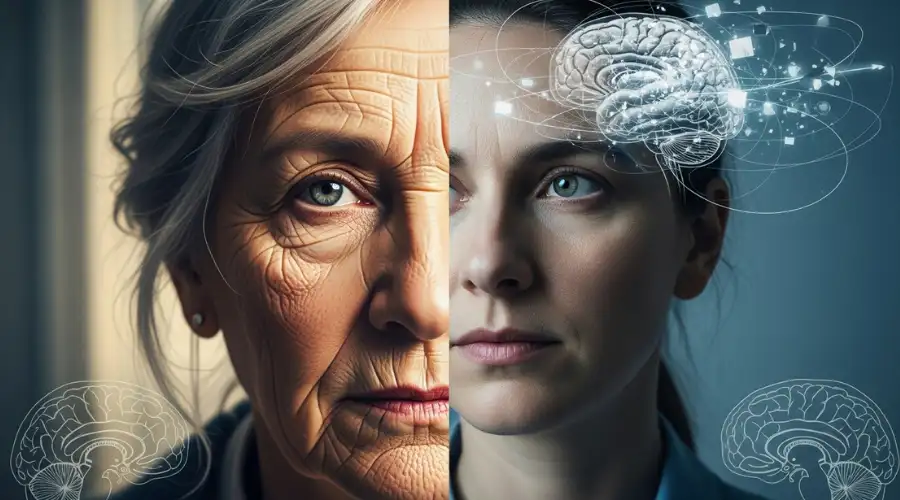
          1. Aging & Mental Health | Strategies for a Healthy Mind in Later Life

            Aging is a natural process that brings wisdom, life experience, and often, a slower pace of life. However, it also comes with challenges, especially regarding mental health. Just as our bodies require care as we age, our minds need attention, understanding, and support. Aging & mental health is a crucial topic because maintaining cognitive and emotional well-being can significantly enhance quality of life in later years.

            Understanding the connection between aging and mental health is essential not only for older adults but also for caregivers, family members, and society at large. In this article, we explore the common mental health challenges that come with aging, effective strategies for maintaining mental wellness, and resources to support a healthy mind.

            Understanding Mental Health in Older Adults

            Mental health in aging is often overlooked. Many assume that feelings of sadness, anxiety, or memory issues are just part of getting older. While age can bring cognitive changes, not all mental health concerns are inevitable.

            Common Mental Health Challenges

            • Depression: Older adults may experience depression due to factors such as social isolation, chronic illness, or the loss of loved ones. Unlike younger individuals, depression in seniors is sometimes harder to detect and can manifest as irritability, fatigue, or physical complaints.
            • Anxiety:Anxiety disorders can develop or persist in later life, triggered by health worries, financial concerns, or fear of losing independence.
            • Cognitive Decline:Conditions like dementia and Alzheimer’s disease affect memory, thinking, and behavior. While some cognitive decline is normal, severe impairment is not and requires professional care.
            • Loneliness and Social Isolation:As people age, social circles may shrink due to retirement, relocation, or loss of peers. Loneliness is closely linked to depression, anxiety, and even physical health issues.

            The Connection Between Physical Health and Mental Wellness

            Aging & mental health are deeply intertwined with physical well-being. Chronic illnesses, mobility limitations, and sleep disturbances can negatively impact mood and cognitive function. Conversely, maintaining physical health can improve mental resilience.

            Key Factors Linking Physical and Mental Health

            • Exercise: Regular physical activity boosts endorphins, reduces stress, and improves sleep quality all of which benefit mental health.
            • Nutrition: A balanced diet rich in omega-3 fatty acids, vitamins, and antioxidants supports brain function and may lower the risk of cognitive decline.
            • Sleep: Quality sleep is essential for memory consolidation and emotional regulation. Sleep disorders in older adults can exacerbate depression and anxiety.

            Strategies to Support Mental Health While Aging

            Fostering mental well-being in later life requires proactive strategies. These methods are practical, evidence-based, and adaptable to individual needs.

            ➡️Stay Socially Connected

            Maintaining relationships is vital for emotional health. Join community groups, volunteer, or participate in social clubs. Even digital communication, like video calls, can help reduce feelings of isolation.

            ➡️Engage in Lifelong Learning

            Learning new skills or hobbies stimulates the brain, strengthens memory, and promotes a sense of purpose. Activities like reading, puzzles, or language learning are excellent ways to keep the mind active.

            ➡️Practice Mindfulness and Stress Reduction

            Meditation, yoga, or breathing exercises reduce stress and anxiety. Mindfulness helps seniors remain present, manage negative emotions, and improve overall mental well-being.

            ➡️Seek Professional Support

            Regular mental health checkups are as important as physical health assessments. Therapists, counselors, and psychiatrists can provide strategies and interventions for depression, anxiety, or cognitive concerns.

            ➡️Promote Cognitive Health

            Cognitive stimulation activities like brain games, memory exercises, or problem-solving tasks—help preserve mental agility. Combining cognitive exercises with physical activity produces the best outcomes for brain health.

            ➡️Address Sleep and Nutrition

            Prioritize sleep hygiene by maintaining a consistent routine and a relaxing environment. Nutrition should focus on brain-friendly foods, such as leafy greens, nuts, fatty fish, and whole grains.

            The Role of Community and Family Support

            Support systems are crucial for healthy aging. Families, friends, and community organizations provide emotional support, practical help, and companionship. Encouraging older adults to stay engaged in social, recreational, and cultural activities can prevent isolation and improve mental resilience.

            Moreover, awareness campaigns and senior-friendly programs in communities can help destigmatize mental health issues among older adults.

            When to Seek Help

            It’s important to recognize when professional intervention is necessary. Signs that someone may need help include:

            • Persistent sadness or irritability lasting more than two weeks
            • Loss of interest in hobbies or activities
            • Trouble with memory, attention, or daily functioning
            • Extreme anxiety or panic attacks
            • Thoughts of self-harm or hopelessness

            Early intervention can prevent mental health problems from worsening and improve overall quality of life.

            Aging Gracefully | A Holistic Approach

            Aging & mental health cannot be separated from overall lifestyle. A holistic approach integrates physical health, social engagement, mental stimulation, and emotional care. Prioritizing these areas helps older adults maintain independence, resilience, and a sense of purpose.

            By embracing mental wellness as a lifelong journey, individuals can experience fulfillment, happiness, and cognitive vitality well into their later years.

            Frequently Asked Questions (FAQs)

            Aging can affect memory, mood, and thinking. Issues like depression, anxiety, or loneliness may arise but can be managed with care.

            Staying socially active, learning new skills, exercising, practicing mindfulness, and eating well all support mental well-being.

            Seek professional support if sadness, anxiety, memory problems, or loss of interest persist. Early care improves quality of life.

            Conclusion

            In conclusion, aging presents both challenges and opportunities for mental health. While older adults may face risks such as depression, anxiety, cognitive decline, and loneliness, proactive steps can make a significant difference. Maintaining social connections, engaging in lifelong learning, practicing mindfulness, prioritizing sleep and nutrition, and seeking professional help when needed are key strategies for supporting mental well-being. By addressing aging & mental health holistically, older adults can enjoy a fulfilling, resilient, and cognitively vibrant life well into their later years.

          2. Reverse Your Age by 20 Years Naturally | Proven Anti-Aging Tips

            Aging is a natural part of life, but the speed at which we age can vary dramatically from person to person. While we can’t literally change our birth year, we can transform our biological, physical, and mental age using science-based lifestyle changes. Many individuals in their 40s, 50s, and even 60s look, move, and think like they are decades younger not because of magic, but because they apply researched methods that nourish the body from the inside out.

            In this guide, you will learn how to reverse your age by 20 years naturally without shortcuts or artificial claims. These techniques focus on cellular health, hormonal balance, mindset, sleep, nutrition, movement, and environmental choices all powerful age-reversal pillars.

            What Does Reverse Your Age Really Mean?

            To reverse your age by 20 years naturally, you must understand that aging happens on three measurable levels:

            • Chronological Age: the number of years you have lived
            • Biological Age: the condition of your cells, hormones, organs, and DNA
            • Psychological Age: how youthful your energy, habits, and mindset feel

            While we cannot change chronological age, biological and psychological youthfulness are highly modifiable using consistent daily habits.

            The Science Behind Reversing Your Biological Age

            Research shows that factors like inflammation, oxidative stress, nutrient deficiency, sedentary lifestyle, and emotional stress accelerate aging. Conversely, practices like regular exercise, proper sleep, balanced eating, and stress reduction slow down or even reverse biological aging markers such as telomere length, skin elasticity, cognitive sharpness, and metabolic performance.

            Key anti-aging principles include:

            • Reducing chronic inflammation
            • Supporting cellular repair
            • Enhancing mitochondrial function
            • Maintaining hormonal balance
            • Strengthening the mind-body connection

            Proven Lifestyle Strategies to Reverse Your Age by 20 Years Naturally

            ➡️Embrace Anti-Inflammatory and Anti-Aging Nutrition

            Food can either age you faster or fuel cellular repair. Focus on whole, nutrient-dense meals rich in antioxidants and healthy fats.

            Recommended foods:

            • Leafy greens (spinach, kale, arugula)
            • Berries and citrus fruits
            • Nuts, seeds, and olive oil
            • Omega-3 sources like salmon or flaxseed
            • Green tea and herbal teas
            • Fermented foods such as yogurt, kimchi, or kefir

            Reduce or limit:

            • Processed sugars
            • Deep-fried snacks
            • Highly processed foods
            • Excessive caffeine and alcohol

            A Mediterranean or whole-food-plant-based diet is often considered one of the world’s most effective anti-aging eating styles.

            ➡️Practice Smart Movement, Not Just Exercise

            To reverse your age by 20 years naturally, movement must be purposeful and varied. The ideal strategy includes:

            Exercise TypeFrequencyBenefit
            Strength training3–4 days/weekPreserves muscle & bone
            Cardio (HIIT/Walking)4–5 days/weekBoosts heart & lung function
            Flexibility (Yoga/Pilates)Daily or alternate daysImproves mobility
            Balance trainingWeeklyPrevents falls & joint stress

            Muscle loss is one of the fastest aging triggers strength training is essential, not optional.

            ➡️Prioritize Quality Sleep and Circadian Rhythm

            Sleep is the body’s built-in natural anti-aging mechanism. During deep sleep, growth hormones and cellular repair processes are activated.

            Tips for age-reversing sleep:

            • Sleep 7–9 hours per night
            • Avoid screens at least 60 minutes before bed
            • Create a cool, dark room environment
            • Maintain a fixed sleep-wake cycle

            ➡️Reduce Stress and Reset Your Mind-Body System

            Prolonged stress increases cortisol, leading to inflammation, weight gain, reduced immunity, early wrinkles, and memory decline.

            Helpful stress-reversing practices include:

            • Meditation or mindfulness
            • Deep breathing
            • Gratitude journaling
            • Outdoor walks
            • Meaningful social connections
            • Limiting negative digital content

            A calm nervous system slows cellular aging peace is medicine.

            ➡️Hydration, Detox, and Cellular Cleansing

            Water supports digestion, skin, joints, and toxin elimination. Pair hydration with natural detox habits like:

            • Fresh fruits and vegetables
            • Herbal detox drinks
            • Intermittent fasting (if suitable and healthy for you)
            • Adequate fiber intake
            • Limiting chemical exposure in skincare and household products

            ➡️Natural Skin and Hair Care for Youthful Appearance

            Youthful skin reflects internal health but can be enhanced externally with the right care.

            Steps for age-reversing skin health:

            • Use sunscreen daily
            • Apply vitamin C and retinol-based products if appropriate
            • Moisturize consistently
            • Stay hydrated
            • Avoid smoking

            Meanwhile, natural hair nourishment includes scalp massage, gentle shampoos, protein-rich diets, and avoiding excessive heat.

            Anti-Aging Habits That Make You Look 20 Years Younger

            • Laugh more it boosts immunity and oxygen flow
            • Walk in the sun early morning for vitamin D
            • Practice good posture for confident youthful energy
            • Learn new skills keep the brain active
            • Declutter your emotional and physical environment

            A youthful lifestyle is not an occasional task it is an identity.

            Natural Supplements That May Support Age Reversal

            (Consult a healthcare professional before using new supplements)

            Possible beneficial options include:

            • Omega-3 fatty acids
            • Vitamin D
            • Probiotics
            • Collagen peptides
            • Green tea extract
            • Turmeric or curcumin

            These support cellular repair, gut health, skin rejuvenation, and metabolic performance — but supplements work best alongside lifestyle changes.

            Realistic Expectations – Slow but Powerful Transformation

            Reversing your age naturally isn’t an overnight miracle. It requires consistency, positive habits, self-discipline, and awareness. Many people start noticing significant improvements within 8–24 weeks such as:

            • Higher energy levels
            • Glowing skin
            • Reduced joint pain
            • Better mood and concentration
            • Leaner body composition

            Age reversal is a journey, not a race.

            Frequently Asked Questions (FAQs)

            Yes, healthy habits in diet, exercise, sleep, and stress management can slow or reverse biological aging.

            Leafy greens, berries, nuts, seeds, fatty fish, and fermented foods support cellular repair and youthful energy.

            Many notice improvements in energy, skin, and fitness within 8–24 weeks with consistent lifestyle changes.

            Conclusion

            In conclusion, you can reverse your age by 20 years naturally by focusing on holistic lifestyle choices that nourish both body and mind. Prioritizing anti-inflammatory nutrition, quality sleep, stress control, physical exercise, hydration, and a positive mental environment can significantly reduce the signs of early aging. Your biological age is influenced more by your daily habits than by your birth certificate, and with consistent healthy routines, it is absolutely possible to look, feel, and live decades younger.

          3. Elderly Healthcare | Best Practices, Benefits & Support Options

            As the global population continues to age rapidly, elderly healthcare has become one of the most important priorities for families, communities, and healthcare systems. Older adults require specialized support to maintain physical health, mental well-being, independence, and emotional comfort. With proper management, seniors can continue to live meaningful, dignified, and fulfilling lives. In this complete guide, we explore what elderly healthcare is, why it matters, available services, and how families can create a supportive care plan.

            What Is Elderly Healthcare and Why Does It Matter?

            Elderly healthcare refers to the comprehensive medical, emotional, social, and personal care services offered to senior citizens, typically aged 60 and above. This form of healthcare aims to prevent health decline, manage chronic illnesses, improve mobility, and support mental and emotional wellness.

            Aging can bring conditions such as arthritis, diabetes, dementia, decreased immunity, and mobility problems. Without proper healthcare, these issues can reduce independence and overall quality of life. Effective elderly healthcare ensures early diagnosis, regular monitoring, safe environments, and holistic well-being.

            Key Goals of Elderly Healthcare

            • Enhance Quality of Life through comfort and independence
            • Prevent Complications related to chronic or age-related diseases
            • Support Emotional and Mental Balance to reduce loneliness and depression
            • Ensure Safety and Dignity for those requiring physical or memory care
            • Provide Personalized Care depending on medical and lifestyle needs

            Different Types of Elderly Healthcare Services

            ➡️Home-Based Elderly Healthcare

            Home care is one of the most preferred options because it allows older adults to remain in familiar surroundings. Services may include:

            • Assistance with bathing, eating, and dressing
            • Medication reminders
            • Physiotherapy or exercise routines
            • Meal preparation and housekeeping
            • Companionship

            Home care is ideal for seniors who are stable but need help with daily living.

            ➡️Assisted Living Facilities

            These facilities provide housing combined with personal care services. They are less intensive than nursing homes but more supportive than independent living. Assisted living is suitable for seniors requiring moderate supervision or help.

            ➡️Nursing Homes and Long-Term Care Centers

            These facilities offer 24-hour skilled nursing care for seniors with serious health conditions, mobility challenges, or memory-related illnesses like Alzheimer’s and dementia.

            ➡️Telehealth and Digital Monitoring

            With advancements in healthcare technology, seniors can now:

            • Attend virtual doctor appointments
            • Monitor blood pressure and sugar levels digitally
            • Receive emergency alerts through wearable devices

            This modern approach reduces hospital visits and improves preventive care.

            Key Components of Effective Elderly Healthcare

            ➡️Physical Healthcare and Disease Prevention

            Regular medical check-ups, timely medication, balanced diets, and targeted exercise routines help prevent many age-related illnesses. A personalized diet plan focusing on calcium, protein, vitamins, and fiber supports healthy muscles, bones, and immune response.

            ➡️Mental Health and Cognitive Support

            Mental health support is equally important. Seniors may feel lonely, anxious, or depressed, especially when they lose independence or loved ones. Activities such as puzzles, reading, memory games, storytelling, and social interactions help keep the brain active and prevent cognitive decline.

            ➡️Emotional and Social Care

            Positive emotional support helps seniors stay motivated, confident, and connected. Family involvement, friendships, group activities, and community programs significantly improve life satisfaction.

            ➡️Safety and Mobility Assistance

            A safe living environment reduces the risk of falls and injuries. Important modifications include:

            • Anti-slip flooring
            • Proper lighting
            • Handrails and support bars
            • Emergency alert devices

            Mobility aids like walkers, wheelchairs, or canes also help maintain independence.

            Elderly Healthcare and Family Involvement

            Families play a major role in senior well-being. Apart from organizing medical care, small acts of love and time can make a huge difference. Regular communication, shared hobbies, and emotional reassurance help seniors feel valued and heard. When caregiving becomes challenging, caregivers should seek professional support rather than experiencing burnout.

            How to Choose the Right Elderly Healthcare Plan

            When selecting a care plan, consider:

            • Medical History and Current Condition
            • Personal Preferences and Lifestyle
            • Level of Dependence
            • Budget and Available Support Systems
            • Location and Accessibility

            A good elderly healthcare plan balances medical care, social support, and emotional well-being.

            Benefits of Strong Elderly Healthcare Systems

            • Reduced healthcare costs through prevention and early treatment
            • Higher independence and mobility
            • Lower risk of depression, anxiety, and isolation
            • Longer, healthier life expectancy
            • Greater peace of mind for family members

            Future of Elderly Healthcare | Trends to Watch

            The future is shifting towards personalized, technology-driven, and home-based care services. AI-powered medical devices, remote monitoring tools, smart homes, wellness apps, and robotics will continue improving patient safety and convenience.

            Frequently Asked Questions (FAQs)

            It typically involves medical monitoring, medication support, personal care, nutrition guidance, physical therapy, and emotional or social assistance.

            Compare medical needs, independence level, budget, location, and professional recommendations before selecting a care option.

            Both are helpful; home care suits independent seniors, while assisted living provides structured support and 24/7 supervision.

            Conclusion

            In conclusion, elderly healthcare is not just a medical necessity but a compassionate responsibility that supports seniors in living healthier, safer, and more meaningful lives. By combining professional care, emotional support, and modern healthcare solutions, families can help aging loved ones maintain dignity, independence, and overall well-being. Choosing the right care plan, staying actively involved, and prioritizing mental and physical health are key steps toward ensuring a comfortable and fulfilling aging journey.

          4. Safe Sex Without Protection | Risks, Tips & Alternatives

            Sexual intimacy is an essential part of many relationships, but it comes with responsibilities and health considerations. The idea of safe sex without protection is a topic often misunderstood and sometimes misleading. While the term may suggest a risk-free experience without condoms or other barriers, it’s crucial to understand the realities, risks, and alternative strategies to protect both partners. In this article, we explore what safe sex without protection truly means, practical precautions, and safer alternatives.

            Understanding Safe Sex Without Protection

            Safe sex without protection typically refers to sexual activity without physical barriers like condoms, dental dams, or gloves, while minimizing the risk of sexually transmitted infections (STIs) or unintended pregnancies. It is essential to recognize that complete safety without protection is rare. However, there are circumstances and strategies that can reduce risks, such as:

            • Being in a mutually monogamous relationship where both partners are tested regularly.
            • Using long-term contraceptives like IUDs, hormonal implants, or oral contraceptives.
            • Avoiding sexual activity during high-risk periods, such as menstruation, when certain infections may spread more easily.

            Even with these precautions, risk is never zero. Understanding the potential consequences is crucial for making informed decisions.

            Risks of Unprotected Sex

            Engaging in sexual activity without protection comes with two main risks:

            ➡️Sexually Transmitted Infections STIs

            Unprotected sex increases the likelihood of contracting STIs such as:

            • HIV
            • Gonorrhea
            • Chlamydia
            • Syphilis
            • Herpes
            • HPV

            Regular STI screenings and honest communication with your partner are essential to minimize these risks.

            ➡️Unintended Pregnancy

            For heterosexual couples, unprotected sex can lead to unintended pregnancy. Even if a partner is on hormonal contraceptives, no method outside of abstinence is 100% effective. Couples must consider alternative contraceptive methods or emergency options if necessary.

            Strategies for Safer Unprotected Sex

            While condoms remain the most effective barrier against STIs and pregnancy, some strategies can help reduce risks when you choose to engage in sex without protection:

            ➡️Mutual STI Testing

            Before deciding to have sex without protection, both partners should undergo comprehensive STI testing. Being aware of each other’s sexual health status allows for informed decision-making and reduces the risk of disease transmission.

            ➡️Monogamous Relationships

            Long-term monogamous relationships, where both partners are committed and exclusive, naturally reduce the likelihood of new infections. Open communication about sexual history and health is essential.

            ➡️Alternative Contraceptives

            Even if avoiding condoms, using alternative contraceptive methods can prevent unintended pregnancies. Options include:

            • Oral contraceptives (birth control pills)
            • Hormonal implants or injections
            • Intrauterine devices (IUDs)
            • Emergency contraception (after unprotected sex)

            ➡️Avoiding High-Risk Practices

            Some sexual behaviors increase risk more than others. For example, anal sex without protection carries a higher risk of HIV transmission than vaginal sex. Being aware of high-risk activities helps in taking extra precautions.

            Natural or Non-Barrier Methods | Pros and Cons

            Some people consider natural methods of protection, such as fertility awareness or withdrawal (pull-out method). While these can lower the risk of pregnancy, they are far less reliable than barrier methods.

            • Fertility awareness: Involves tracking ovulation to avoid sex during fertile periods. Accuracy depends heavily on discipline and regular cycles.
            • Withdrawal method: Reduces pregnancy risk if done correctly but does not prevent STIs and has a high failure rate.

            It’s important to recognize that these methods require consistency and responsibility from both partners.

            Open Communication | The Key to Safer Sexual Health

            The cornerstone of any sexual relationship is communication. Discussing boundaries, sexual history, contraceptive use, and STI testing builds trust and allows couples to make informed choices. Open communication also helps reduce anxiety about sexual activity and encourages mutual respect.

            The Role of Regular Medical Checkups

            Regular visits to a healthcare provider for sexual health checkups are critical. Doctors can provide guidance on:

            • Appropriate contraceptive options
            • Vaccinations for preventable infections like HPV and Hepatitis B
            • STI testing and treatment
            • Sexual wellness advice

            Maintaining a routine of checkups ensures both partners stay healthy and reduces long-term risks associated with unprotected sex.

            When Condoms Are Still Recommended

            Even in committed relationships, there are situations where using condoms is wise:

            • If either partner has multiple sexual partners
            • During the early stages of a relationship
            • If STI status is unknown or recently tested
            • When pregnancy prevention needs an extra layer of protection

            Condoms remain the most accessible, effective, and dual-purpose method for preventing both STIs and pregnancy.

            Frequently Asked Questions (FAQs)

            Yes, but it requires both partners to be tested, communicate openly, and consider alternative contraceptives. Risk is reduced but not eliminated.

            Methods like withdrawal or fertility awareness can lower pregnancy risk but are less reliable than barrier methods and do not prevent STIs.

            Ideally, every 3-6 months, or before changing partners, to ensure both remain free of STIs.

            Conclusion

            In conclusion, safe sex without protection is possible only under specific, carefully managed circumstances. Mutual STI testing, honest communication, monogamy, and alternative contraceptives can reduce but never eliminate risks. Understanding the potential consequences and practicing responsible sexual health behaviors ensures that intimacy can be enjoyable without compromising safety. Ultimately, making informed decisions, prioritizing health, and respecting each partner’s boundaries are key to a healthy and fulfilling sexual relationship.

          5. Emergency Contraceptive Pills Side Effect | What You Need to Know

            In today’s fast-paced world, emergency contraceptive pills (ECPs) have become a crucial option for preventing unintended pregnancies. While these pills offer convenience and efficacy, it is equally important to understand the potential emergency contraceptive pills side effects. Awareness helps users make informed decisions and manage any temporary discomfort effectively. This article provides a detailed, professional guide on the side effects, causes, and precautions associated with ECPs.

            What Are Emergency Contraceptive Pills?

            Emergency contraceptive pills, often referred to as morning-after pills, are designed to prevent pregnancy after unprotected sex or contraceptive failure. They contain hormones such as levonorgestrel or ulipristal acetate, which work by:

            • Delaying ovulation
            • Preventing fertilization
            • Altering the uterine lining to prevent implantation

            ECPs are not intended for regular contraception and should only be used as a backup method. Understanding their side effects helps users balance effectiveness with comfort.

            Common Emergency Contraceptive Pills Side Effects

            Like any medication, ECPs can cause temporary side effects. Most are mild and resolve within a few days. Common emergency contraceptive pills side effects include:

            ➡️Nausea and Vomiting

            Mild to moderate nausea is the most frequently reported side effect. Vomiting is less common but can reduce the pill’s effectiveness if it occurs within two hours of ingestion. Taking the pill with a light snack may help minimize nausea.

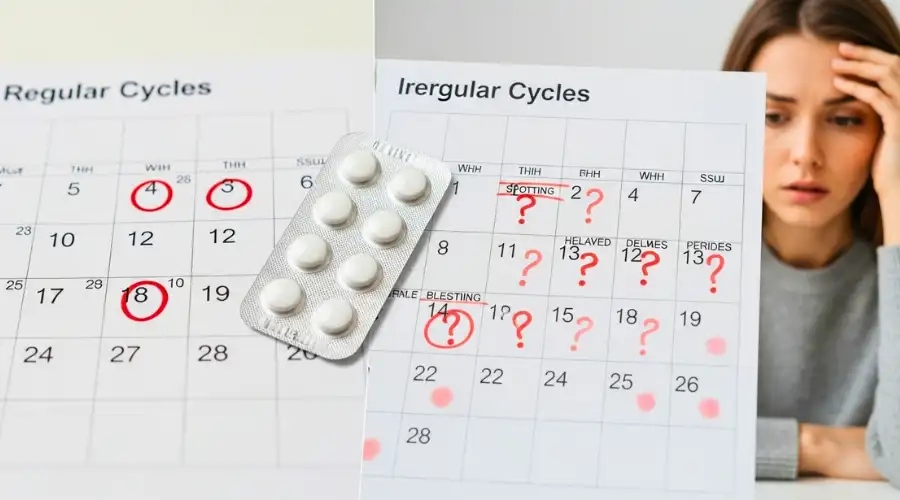
            ➡️Irregular Menstrual Bleeding

            ECPs can temporarily alter your menstrual cycle. Some women may experience:

            • Early or late periods
            • Spotting or breakthrough bleeding
            • Heavier or lighter flow than usual

            These changes are typically short-lived, and your cycle usually normalizes within one to two months.

            ➡️Fatigue and Dizziness

            Hormonal shifts caused by ECPs can lead to temporary tiredness or lightheadedness. Staying hydrated and resting can help alleviate these symptoms.

            ➡️Breast Tenderness

            Hormonal fluctuations may cause mild breast tenderness or swelling. This side effect usually disappears within a few days.

            ➡️Headaches

            Some women may experience headaches or mild migraines after taking an emergency contraceptive pill. Over-the-counter pain relievers such as acetaminophen or ibuprofen can help, unless contraindicated.

            Less Common but Possible Side Effects

            Though rare, some users may experience:

            • Abdominal pain or cramping: Similar to menstrual cramps, these can last a day or two.
            • Mood changes: Temporary mood swings may occur due to hormone changes.
            • Allergic reactions: Very rare, but symptoms may include rash, itching, or swelling. Seek medical attention if severe reactions occur.

            Factors That Influence Side Effects

            The intensity of emergency contraceptive pills side effects can vary depending on:

            • Type of pill: Levonorgestrel-based pills often have milder side effects than ulipristal acetate.
            • Timing of intake: Pills taken earlier after unprotected sex tend to be more effective and may reduce side effect severity.
            • Individual sensitivity: Hormonal tolerance varies; some users may experience stronger symptoms.

            Managing Emergency Contraceptive Pills Side Effects

            Most side effects are temporary, but there are ways to manage discomfort:

            • Nausea: Eat small, light meals before taking the pill.
            • Headache or fatigue: Rest and stay hydrated.
            • Menstrual changes: Track your cycle and consult a doctor if your period is delayed by more than a week.
            • Cramping: Mild pain relievers or a warm compress can help.

            If severe symptoms persist or you experience signs of an allergic reaction, seek medical attention immediately.

            Myths and Misconceptions About ECP Side Effects

            Misinformation can cause unnecessary anxiety. Common myths include:

            • ECPs cause long-term infertility: False. There is no evidence that occasional use of emergency contraceptives affects fertility.
            • ECPs are equivalent to abortion pills: Incorrect. ECPs prevent pregnancy before implantation, while abortion pills terminate an existing pregnancy.
            • Side effects are dangerous: Most side effects are mild and temporary. Serious complications are extremely rare.

            Educating yourself with accurate information helps reduce stress and ensures safe use.

            When to Consult a Healthcare Professional

            While most side effects are manageable at home, contact a doctor if you experience:

            • Severe abdominal pain lasting more than a few days
            • Persistent vomiting preventing absorption of the pill
            • Missed period by more than a week
            • Signs of an allergic reaction, such as swelling, rash, or difficulty breathing

            A healthcare professional can assess your symptoms and provide appropriate guidance.

            Preventing the Need for Emergency Contraception

            While ECPs are safe and effective, consistent contraceptive methods are more reliable for long-term protection. Options include:

            • Oral contraceptive pills
            • Condoms
            • Intrauterine devices (IUDs)
            • Implants

            Using regular contraception reduces reliance on emergency pills and the potential for side effects.

            Emergency Contraceptive Pills Side Effects in Special Populations

            Certain groups may experience different reactions:

            • Adolescents: Hormonal sensitivity may cause more pronounced side effects.
            • Women with pre-existing conditions: Those with liver disorders or migraines should consult a doctor before use.
            • Frequent users: Repeated use may increase the likelihood of irregular cycles, though serious complications remain rare.

            Frequently Asked Questions (FAQs)

            Nausea, irregular periods, fatigue, headaches, and breast tenderness are common and usually temporary.

            No, occasional use does not impact long-term fertility.

            Consult a doctor if you have severe pain, persistent vomiting, delayed periods, or allergic reactions.

            Conclusion

            In conclusion, emergency contraceptive pills side effects are generally mild, temporary, and manageable. Common reactions include nausea, menstrual irregularities, fatigue, breast tenderness, and headaches. Rare but serious side effects should prompt immediate medical attention. Understanding these effects, debunking myths, and knowing when to consult a healthcare professional can help users make safe and informed choices. While ECPs are a reliable backup, consistent contraceptive methods remain the best strategy for long-term reproductive health.

          6. Emergency Contraceptive Pills Effect on Periods | Complete Guide

            Emergency contraceptive pills (ECPs), commonly known as morning-after pills, are widely used to help prevent pregnancy after unprotected sex or contraceptive failure. Despite their popularity, many women feel concerned or confused about their menstrual changes after taking them. Questions like Will my period come on time?, Why is my bleeding lighter or heavier?, Should I worry if my cycle changes? are extremely common.

            This detailed article explains how emergency contraceptive pills affect periods, why menstrual changes happen, how long effects may last, and when it’s best to seek medical advice. Understanding these changes can help reduce unnecessary anxiety and empower you to make informed reproductive choices.

            Important: This content is informational only and does not replace professional medical advice. Always consult a healthcare provider for personalized guidance.

            Understanding Emergency Contraceptive Pills

            Emergency contraceptive pills are classified as backup contraception and not meant for regular use. They work mainly by delaying ovulation so that fertilization cannot occur. Common types of ECPs include:

            • Levonorgestrel-based pills (e.g., Plan B-type pills)
            • Ulipristal Acetate (e.g., Ella-type pills)
            • High-dose hormonal birth control pills used as ECPs (less common and taken under medical advice)

            These pills do not terminate an existing pregnancy and do not protect against sexually transmitted infections (STIs).

            How Do Emergency Contraceptive Pills Affect Periods?

            Hormones play a major role in regulating the menstrual cycle. When additional hormones enter the body, especially in a high single dose, temporary cycle changes are normal. The effects may vary based on:

            • The timing of intake within the menstrual cycle
            • The pill type and dosage
            • Individual hormonal sensitivity
            • Stress, anxiety, or sleep changes after intake

            Some may notice minor changes, while others may experience more noticeable shifts. Both can be normal.

            Expected Menstrual Changes After Taking ECPs

            ➡️Period May Come Earlier

            Some women experience early bleeding or spotting within a few days after taking the pill. If ovulation is delayed or disrupted, the uterine lining may respond differently, causing earlier menstruation.

            ➡️Period May Be Delayed

            A slight delay of a few days to one week is common. In some cases, the cycle may extend up to 10–14 days beyond the expected date. Taking ECPs close to ovulation often results in a delayed period.

            ➡️Changes in Flow Intensity

            Menstrual flow can temporarily change, including:

            • Lighter than usual
            • Heavier bleeding
            • Irregular or intermittent spotting

            These variations are generally due to hormonal imbalance, not long-term health problems.

            ➡️Changes in Period Duration

            Your period may last shorter or longer than usual, including:

            • Brief spotting instead of a full period
            • A heavier and longer cycle due to hormone withdrawal

            Again, this is usually temporary.

            Emergency Contraceptive Pills and Spotting

            Spotting is common and may occur:

            • A few days after pill intake
            • As a result of early uterine lining shedding
            • Because ovulation timing has shifted

            Spotting does not always confirm period arrival. A full cycle may still come later.

            How Long Do Period Changes Last?

            In most cases, menstrual patterns return to normal within one full cycle, though some may take two cycles to stabilize. If cycles continue to remain irregular beyond two months, consulting a healthcare provider is advisable.

            When to Take a Pregnancy Test

            Although emergency contraceptive pills are highly effective, they are not 100% guaranteed. You may consider taking a pregnancy test if:

            • Your period is more than two weeks late
            • Menstrual bleeding is unusually scarce or absent
            • You experience pregnancy-like symptoms (fatigue, nausea, breast tenderness)
            • You had another unprotected encounter after taking the pill

            A home pregnancy test can be taken after the missed period for best accuracy.

            Factors That Influence Menstrual Effect

            The effect on periods may differ based on:

            Influencing FactorPossible Impact
            Timing in cycleDelayed or early periods
            Pill typeVaries hormone strength
            Body metabolismFaster or slower response
            Stress or anxietyAdditional cycle delay
            Existing hormone issuesIrregular patterns

            This is why experiences differ greatly among users.

            Should You Be Worried About the Changes?

            Minor changes are expected and normal, and in most cases, there’s no long-term effect on fertility or health. Emergency contraceptives do not cause permanent menstrual damage or infertility.

            However, repeated frequent use may disturb hormonal balance and cause ongoing menstrual inconsistency. They are recommended only for emergency situations not routine contraception.

            How to Manage Anxiety While Waiting for Your Period

            Here are helpful tips to ease worry:

            • Track your cycle using a mobile app
            • Practice relaxation techniques: deep breathing, yoga, light walks
            • Avoid frequent unnecessary testing
            • Maintain regular sleep and hydration

            Worrying too much can itself delay your period due to stress-related hormonal changes.

            When to Seek Medical Attention

            Visit a healthcare professional if:

            • Your period is more than 2 weeks late
            • You experience severe abdominal or pelvic pain
            • You notice very heavy blood loss or large clots
            • Bleeding lasts beyond 10 days
            • You feel faint, dizzy, or weak
            • You suspect pregnancy or ectopic pregnancy

            Professional evaluation ensures peace of mind and safety.

            Frequently Asked Questions (FAQs)

            Yes, they can delay your period by a few days to two weeks due to temporary hormonal changes.

            Yes, mild spotting or light bleeding may occur and usually settles by the next cycle.

            Seek medical advice if your period is over two weeks late, extremely heavy, or accompanied by severe pain.

            Conclusion

            In conclusion, emergency contraceptive pills can temporarily affect periods by causing early, delayed, lighter, heavier, or irregular bleeding due to hormonal changes. These effects usually resolve within one or two cycles and are not considered harmful. However, if menstruation is significantly delayed, symptoms feel unusual, or pregnancy is suspected, it is wise to consult a medical professional. While ECPs are an effective backup, they should not replace regular contraception or ongoing reproductive health planning.

          7. Contraceptive Pills to Control Pregnancy | Full Guide & Benefits

            The topic of family planning has become more important than ever, as women and couples aim to make informed choices about when to conceive. Among the many birth-control options available, contraceptive pills to control pregnancy remain one of the most popular worldwide. These pills offer not only protection against unplanned pregnancy but also several additional health advantages when used correctly. In this detailed guide, we will explore how contraceptive pills work, their benefits, side effects, safety precautions, and tips for choosing the right option based on your health and lifestyle.

            What Are Contraceptive Pills?

            Contraceptive pills, also known as birth control pills or oral contraceptive pills, are medications containing hormones that help prevent pregnancy. They are typically taken once daily and work by regulating reproductive hormones in the female body.

            These pills have been used for decades, evolving with scientific advancements to provide safer and more reliable options.

            How Contraceptive Pills to Control Pregnancy Work

            Contraceptive pills help prevent pregnancy through three main mechanisms:

            ➡️Preventing Ovulation

            The hormones in the pill stop the ovaries from releasing an egg each month. Without ovulation, fertilization cannot occur.

            ➡️Thickening Cervical Mucus

            The pill makes cervical mucus thicker, blocking sperm from reaching an egg.

            ➡️Thinning the Uterine Lining

            It creates a lining unsuitable for implantation, reducing chances of pregnancy if fertilization happens.

            This combination of effects makes birth control pills over 99% effective with perfect use and around 91% effective with typical daily use.

            Types of Contraceptive Pills

            There are two main types of contraceptive pills to control pregnancy, and understanding them is key to selecting the most suitable option.

            ➡️Combined Oral Contraceptive Pills COCs

            These contain estrogen and progestin and are the most commonly prescribed. They help regulate menstrual cycles and may reduce PMS symptoms.

            Common features:

            • Taken for 21 active days + 7 placebo days or 24 active + 4 placebo
            • Can reduce acne and improve skin
            • Often recommended for women with regular hormone balance

            ➡️Progestin-Only Pills Mini Pills

            These contain only progestin and are ideal for women who cannot take estrogen due to medical reasons.

            Common features:

            • Suitable for breastfeeding mothers
            • Required to be taken at the same time daily
            • Beneficial for individuals with estrogen-related side-effects

            Benefits of Contraceptive Pills

            Using contraceptive pills to control pregnancy offers more than pregnancy prevention. Many women take them for health regulation and personal comfort.

            ➡️Highly Effective Pregnancy Prevention

            When taken correctly, they provide one of the highest protection rates among temporary birth-control methods.

            ➡️Regulated Menstrual Cycle

            Pills help make periods predictable and may reduce heavy bleeding or painful cramps.

            ➡️Reduced Acne & Clearer Skin

            Hormonal balance from contraceptive pills can minimize acne breakouts.

            ➡️Decreased Risk of Certain Cancers

            Long-term use has been associated with lower risks of ovarian and endometrial cancers (based on medical research).

            ➡️Relief from PMS & Hormonal Fluctuations

            They can reduce mood swings, migraine intensity, and bloating associated with menstruation.

            Possible Side Effects of Birth Control Pills

            While benefits are impressive, women must be aware of potential side effects. Not everyone experiences these, and many are mild and temporary.

            Common early side effects include:

            • Nausea or vomiting
            • Headaches
            • Breast tenderness
            • Slight weight changes
            • Spotting between periods

            More serious but rare side effects may involve:

            • Blood clots
            • Vision changes
            • Severe chest or leg pain

            If severe symptoms occur, seek immediate medical attention.

            Who Should Avoid Contraceptive Pills?

            Birth control pills may not be suitable for everyone. Women with certain health conditions must consult a doctor before using them, especially if they have:

            • Uncontrolled hypertension
            • History of stroke or blood clots
            • Breast cancer history
            • Heavy smoking habit (especially over age 35)

            Breastfeeding mothers are often advised to use mini-pills instead of combined pills.

            How to Use Contraceptive Pills Effectively

            Correct usage is key for maximum protection.

            ActionDescription
            Daily intakeTake at the same time every day
            Missed pill adviceIf missed, take ASAP plus regular dose
            No skippingNever skip active pills
            Follow scheduleReplace pack immediately when finished

            Important Note:

            Contraceptive pills do not protect against sexually transmitted infections (STIs). For added protection, use condoms with pills.

            Comparison | Contraceptive Pills vs Other Birth Control Methods

            MethodEffectivenessConvenienceReversibleSTI Protection
            PillsHighEasyYesNo
            Copper IUDVery highLong-termYesNo
            CondomsMediumEasyYesYes
            InjectableHighMonthly/QuarterlyYesNo
            ImplantsVery high3–5 yearsYesNo

            Contraceptive pills rank among the best options for women seeking control, flexibility, and privacy.

            Myths About Contraceptive Pills

            MythTruth
            Pills cause permanent infertilityFertility usually returns quickly after discontinuation
            Pills cause extreme weight gainNot common and varies individually
            You must take long breaksNot medically required unless advised
            Pills harm future pregnancyNo evidence when used properly

            Tips for Choosing the Right Pill

            • Get a hormonal health screening
            • Share full medical history with a doctor
            • Discuss your lifestyle, routine, and motherhood plans
            • Start with medical supervision
            • Monitor side effects for first three months

            Frequently Asked Questions (FAQs)

            Yes, they are generally safe when taken under medical guidance. Regular checkups are recommended.

            No, fertility usually returns soon after stopping the pills, though some women may need a short adjustment period.

            No, they only prevent pregnancy. Use condoms for STI protection.

            Conclusion

            In conclusion, contraceptive pills to control pregnancy are a reliable, convenient, and widely trusted method of family planning for women who want flexibility and confidence in their reproductive choices. Along with preventing pregnancy, they can also offer added health benefits such as cycle regulation, reduced menstrual discomfort, and improved hormonal balance. However, because every woman’s body and medical history are unique, it is essential to seek guidance from a qualified healthcare professional before starting any contraceptive pill. Making an informed decision ensures safe use, better results, and long-term reproductive well-being.