• LARC Contraception | Benefits, Types & Effectiveness Explained

    Choosing a dependable birth control method is an important decision for many individuals seeking long-term, stress-free protection. In recent years, LARC contraception, short for Long-Acting Reversible Contraception, has become one of the most trusted and recommended options worldwide. These methods are known for being highly effective, low-maintenance, and easily reversible, making them suitable for a wide range of reproductive needs and lifestyles.

    Whether you’re considering switching from daily pills or simply want a reliable contraceptive solution that doesn’t require frequent attention, LARC methods offer impressive benefits. In this comprehensive guide, we explore what LARC contraception is, the different types available, how each method works, and why so many people prefer this form of birth control.

    What Is LARC Contraception?

    LARC contraception refers to birth control methods that provide long-term pregnancy prevention without requiring daily or frequent user action. Once placed by a healthcare professional, these methods work effectively for several years.

    Key Characteristics of LARC Methods

    • Long-lasting: Most options remain effective for 3–10 years depending on the type.
    • Highly effective: Over 99% effectiveness in preventing pregnancy.
    • Reversible: Fertility returns quickly once the device is removed.
    • Low maintenance: No daily pills, weekly patches, or monthly injections needed.

    These features make LARC contraception one of the most convenient and dependable options for many individuals.

    Types of LARC Contraception

    LARC contraception includes two major categories:

    1. Intrauterine Devices (IUDs)
    2. Contraceptive Implants

    Each type has unique benefits and may suit different preferences or health considerations.

    ➡️IUDs Intrauterine Devices

    An IUD is a small, T-shaped device inserted into the uterus by a healthcare professional. It provides long-term contraception and comes in two main forms: hormonal IUDs and copper IUDs.

    Hormonal IUDs

    Hormonal IUDs release a small amount of progestin, which thickens cervical mucus and may stop ovulation in some users. They usually last 3–8 years, depending on the brand.

    Benefits of Hormonal IUDs

    • Reduces menstrual cramps
    • Lighter periods or no periods at all
    • Extremely low failure rate
    • Suitable for individuals who want long-term but reversible contraception

    Who Should Consider a Hormonal IUD?

    Hormonal IUDs may be ideal for individuals with heavy periods, painful cramps, or those who want a low-hormone method that requires minimal upkeep.

    Copper IUD

    The copper IUD is hormone-free and uses copper to create an environment that prevents sperm from fertilizing an egg. It offers protection for up to 10 years, making it one of the longest-lasting reversible contraceptives.

    Benefits of Copper IUDs

    • Completely hormone-free
    • Can be used as emergency contraception if inserted within 5 days after unprotected sex
    • Extremely durable and long-lasting

    Who Should Consider a Copper IUD?

    This option is great for individuals who prefer a non-hormonal method or those who want a long-term solution with minimal medical follow-ups.

    ➡️Contraceptive Implants

    The contraceptive implant is a small, flexible rod inserted under the skin of the upper arm. It releases a steady, low dose of progestin to prevent pregnancy and typically lasts 3–5 years.

    How the Implant Works

    • Thickens cervical mucus
    • Prevents ovulation
    • Changes the uterine lining

    Benefits of the Contraceptive Implant

    • Highly effective
    • Discreet and convenient
    • Quickly reversible
    • Ideal for those who want to avoid regular contraception management

    Who Should Consider the Implant?

    The contraceptive implant is suitable for individuals who prefer a method that is completely invisible, easily reversible, and requires almost zero maintenance.

    Effectiveness of LARC Contraception

    One of the major reasons for the growing popularity of LARC contraception is its exceptional effectiveness.

    Why LARC Methods Are Over 99% Effective

    Unlike daily pills or methods that rely on perfect timing, LARC contraception eliminates user error. Once inserted, it continues working without any action from the user, making it one of the most dependable forms of contraception available.

    Comparing Effectiveness

    MethodTypical Effectiveness
    LARC (IUDs & Implants)Over 99%
    Birth control pill91%
    Condoms85%
    Patch or ring91%

    LARC clearly provides superior protection for individuals seeking long-term confidence.

    Benefits of LARC Contraception

    Beyond effectiveness, LARC methods offer a wide range of advantages that appeal to different lifestyles and reproductive plans.

    ➡️Long-Term Protection

    Most LARC options last several years, reducing stress and allowing users to enjoy continuous protection without regular refills or appointments.

    ➡️Cost-Effective Over Time

    Although initial insertion may cost more, the long-lasting nature makes LARC contraception more affordable in the long run compared to monthly or quarterly methods.

    ➡️Reversible at Any Time

    LARC methods do not affect future fertility. Individuals can choose removal whenever they decide to conceive or switch to another contraceptive option.

    ➡️Low Maintenance

    No daily reminders, alarms, or recurring visits once inserted, LARC works silently and reliably.

    ➡️Safe and Suitable for Many Users

    Most individuals, including adolescents and those who have never given birth, can safely use LARC contraception. Healthcare providers can recommend the best option according to personal health needs.

    Potential Side Effects of LARC Contraception

    Like all medical methods, LARC contraception may involve some side effects. These effects vary based on whether the device is hormonal or non-hormonal.

    ➡️Common Side Effects of Hormonal LARC

    • Irregular bleeding
    • Lighter or absent periods
    • Breast tenderness
    • Mood changes

    ➡️Common Side Effects of Copper IUD

    • Heavier periods
    • Increased cramping
    • Spotting between cycles

    Most side effects improve after the first few months as the body adjusts to the device.

    If side effects persist or feel uncomfortable, users should consult a healthcare professional for guidance or alternative options.

    Who Should Consider LARC Contraception?

    LARC contraception is suitable for many individuals, especially those who:

    • Want long-term pregnancy prevention
    • Prefer a low-maintenance method
    • Want a reversible solution
    • Prefer hormone-free options (copper IUD)
    • Experience difficulty remembering daily pills

    It’s always best to discuss individual needs with a qualified healthcare provider to determine the safest and most appropriate option.

    Frequently Asked Questions (FAQs)

    Most LARC methods last between 3 to 10 years, depending on the type.

    Yes, LARC methods are safe and recommended for teens and adults, including those who haven’t had children.

    Some users may experience irregular bleeding, cramps, or spotting, especially during the first few months.

    Conclusion

    In conclusion, LARC contraception provides one of the most reliable, convenient, and long-lasting options for pregnancy prevention, offering over 99% effectiveness with minimal daily effort. With choices like hormonal IUDs, copper IUDs, and contraceptive implants, individuals can select a method that best aligns with their health needs and lifestyle preferences. These methods are safe, reversible, and suitable for a wide range of users, making them a top recommendation among healthcare providers. By understanding how LARC methods work and their unique benefits, individuals can make confident, informed decisions about their reproductive health.


  • Best Moisturizers for Dry Skin | Hydrate & Nourish Your Skin Daily

    Dry skin can be uncomfortable, itchy, and sometimes even painful. Finding the right moisturizers for dry skin is essential to restore hydration, protect the skin barrier, and maintain a healthy, radiant complexion. Whether caused by environmental factors, genetics, or aging, dry skin requires consistent care and the right products to prevent further damage. In this guide, we will explore everything you need to know about moisturizers, including types, key ingredients, and expert tips for daily use.

    Understanding Dry Skin

    Before diving into moisturizers for dry skin, it’s crucial to understand what causes dryness. Dry skin lacks sufficient moisture and natural oils, making it prone to flaking, tightness, and irritation. Common causes include:

    • Environmental Factors: Cold weather, low humidity, and harsh winds can strip the skin of natural oils.
    • Aging: As we age, the skin produces less oil, leading to dryness.
    • Harsh Skincare Products: Soaps, cleansers, and exfoliants with strong chemicals can damage the skin barrier.
    • Medical Conditions: Eczema, psoriasis, or hypothyroidism may contribute to chronic dryness.

    Identifying the root cause of dryness helps in selecting the most effective moisturizers for dry skin.

    Key Ingredients in Moisturizers for Dry Skin

    When choosing a moisturizer, look for ingredients that actively hydrate, repair, and protect the skin. Here are the most effective:

    ➡️Hyaluronic Acid

    Hyaluronic acid attracts and retains water in the skin, providing deep hydration without a greasy feel. It’s suitable for all skin types, including sensitive skin.

    ➡️Glycerin

    Glycerin is a humectant that draws moisture from the environment into the skin. It also helps strengthen the skin barrier, reducing dryness and irritation.

    ➡️Ceramides

    Ceramides are lipids naturally found in the skin. They help repair the skin barrier, prevent water loss, and protect against external irritants.

    ➡️Shea Butter

    Shea butter is rich in fatty acids and vitamins that nourish and soften dry skin. Its emollient properties make it ideal for very dry areas like elbows, knees, and hands.

    ➡️Squalane

    Squalane is a lightweight oil that mimics the skin’s natural oils, providing hydration and improving elasticity without clogging pores.

    Types of Moisturizers for Dry Skin

    Choosing the right type of moisturizer depends on your skin’s specific needs and preferences.

    ➡️Creams

    Creams are thick and rich, making them perfect for dry and very dry skin. They often contain occlusive ingredients that lock in moisture for long-lasting hydration.

    ➡️Lotions

    Lotions are lighter than creams and absorb quickly. They are suitable for mild dryness or for use during warmer months.

    ➡️Ointments

    Ointments are highly occlusive and ideal for extremely dry or cracked skin. They create a protective layer on the skin, preventing moisture loss.

    ➡️Gels and Serums

    While gels and serums are not traditionally heavy moisturizers, those formulated with hyaluronic acid can provide intense hydration for dry skin without a greasy feel.

    How to Choose the Right Moisturizer for Dry Skin

    When selecting moisturizers for dry skin, consider these factors:

    • Skin Sensitivity: Choose fragrance-free and hypoallergenic products to reduce irritation.
    • Seasonal Needs: Thicker creams may be necessary in winter, while lighter lotions work in summer.
    • Target Areas: Use richer formulations for extremely dry areas like hands, elbows, and heels.
    • Additional Benefits: Some moisturizers contain antioxidants, SPF, or anti-aging ingredients for added skin protection.

    Tips for Maximizing Moisturizer Effectiveness

    Even the best moisturizer can underperform if not used correctly. Follow these tips:

    ➡️Apply on Damp Skin

    After cleansing or showering, apply moisturizer while the skin is still slightly damp. This helps lock in water and improves absorption.

    ➡️Layer Your Products

    For extremely dry skin, consider layering a hydrating serum under your moisturizer. This combination can provide long-lasting moisture and nourishment.

    ➡️Don’t Forget Sensitive Areas

    Hands, lips, and cuticles often get overlooked. Use a richer cream or ointment on these areas to prevent cracking and irritation.

    ➡️Adjust Your Routine Seasonally

    Cold, dry winters may require heavier moisturizers, while summer may allow for lighter formulas. Adjusting your routine ensures consistent hydration year-round.

    Natural Remedies to Complement Moisturizers

    Alongside moisturizers, natural remedies can help soothe and hydrate dry skin:

    • Oatmeal Baths: Oats contain anti-inflammatory properties that calm dry, itchy skin.
    • Aloe Vera Gel: Provides hydration and soothes irritation.
    • Coconut Oil: A natural emollient that locks in moisture, suitable for body skin.
    • Honey Masks: Honey acts as a humectant and antimicrobial agent, ideal for facial dryness.

    Common Mistakes to Avoid

    Even with high-quality moisturizers for dry skin, mistakes in application or product choice can worsen dryness:

    • Overwashing: Frequent washing strips natural oils. Limit to gentle cleansers.
    • Hot Showers: Hot water can dry out skin; use lukewarm water instead.
    • Ignoring Diet: Hydration starts from within; drink plenty of water and include healthy fats in your diet.
    • Using the Wrong Products: Avoid harsh soaps, alcohol-based toners, and products with synthetic fragrances.

    Recommended Moisturizers for Dry Skin

    While personal preference varies, here are some top-performing options:

    • CeraVe Moisturizing Cream: Rich in ceramides and hyaluronic acid for deep hydration.
    • Neutrogena Hydro Boost Gel-Cream: Lightweight, with intense water-binding hyaluronic acid.
    • Eucerin Advanced Repair Cream: Suitable for extremely dry and sensitive skin.
    • Aveeno Daily Moisturizing Lotion: Contains natural oat extract to soothe and protect skin.
    • La Roche-Posay Lipikar Balm AP+: Ideal for very dry skin prone to eczema.

    Frequently Asked Questions (FAQs)

    Look for creams with ceramides, hyaluronic acid, or shea butter, like CeraVe or Eucerin, for deep hydration.

    Apply at least twice daily, ideally on slightly damp skin after cleansing.

    Yes, aloe vera, coconut oil, oatmeal, and honey can soothe and hydrate alongside moisturizers.

    Conclusion

    In conclusion, choosing the right moisturizers for dry skin is essential to maintain a hydrated, healthy, and radiant complexion. Understanding your skin type, key ingredients, and the different moisturizer formulations can make all the difference. By applying products correctly, adjusting your routine seasonally, and complementing with natural remedies, you can prevent dryness, restore your skin’s barrier, and enjoy long-lasting comfort and glow. Regular care and smart product choices ensure your skin stays soft, supple, and nourished every day.

  • Best Skin Care Products for Healthy, Glowing Skin | Expert Guide

    A flawless, healthy complexion isn’t just about genetics it’s about choosing the right skin care products that truly work for your skin type and concerns. With thousands of options on the market, from high-end brands to affordable finds, selecting the right routine can feel overwhelming. The good news? When you understand what ingredients to look for and how each product functions, building an effective regimen becomes far easier.

    In this guide, you’ll discover how to pick the best skin care products, what ingredients actually deliver results, and which routine order maximizes effectiveness. Whether you want glowing skin, acne control, anti-aging support, or hydration, this complete guide will help you make smart, informed decisions.

    Why Choosing the Right Skin Care Products Matters

    Your skin acts as your body’s largest barrier, constantly exposed to pollution, sun damage, and environmental stressors. Using the right products helps:

    • Strengthen the skin barrier
    • Improve hydration
    • Reduce acne or inflammation
    • Slow down signs of aging
    • Enhance overall radiance

    Poor-quality products, on the other hand, may cause irritation, dryness, or long-term damage. This is why understanding product types and ingredients is essential for building a safe and effective routine.

    Understanding Your Skin Type Before Buying Skin Care Products

    Before choosing any product, you must know your skin type. This ensures you select formulas that work with your skin not against it.

    ➡️Normal Skin

    Balanced, neither too oily nor too dry. Most products suit this skin type.

    ➡️Oily Skin

    Prone to shine, enlarged pores, and breakouts. Best products: oil-free, gel-based, and non-comedogenic formulas.

    ➡️Dry Skin

    Tightness, flakiness, and dullness. Best products: rich creams, hydrating serums, ceramides, hyaluronic acid.

    ➡️Combination Skin

    Oily T-zone with dry cheeks. Best products: lightweight moisturizers and gentle cleansers.

    ➡️Sensitive Skin

    Easily irritated or reactive. Best products: fragrance-free, alcohol-free, and soothing ingredients like aloe or Centella.

    Knowing this helps you choose products tailored to your needs, boosting results and reducing irritation.

    Essential Skin Care Products for a Complete Routine

    A good skin care routine doesn’t require dozens of steps. Instead, focus on key products that deliver maximum results.

    ➡️Cleanser – The Foundation of All Skin Care Products

    A cleanser removes dirt, oil, and makeup without stripping the skin.

    Look for:

    • Gel cleansers for oily skin
    • Cream or milk cleansers for dry skin
    • Gentle, fragrance-free formulas for sensitive skin

    Avoid: Harsh sulfates, strong fragrances, or overly drying soaps.

    ➡️Toner – Preparing the Skin for Better Absorption

    Modern toners hydrate, balance pH, and prep the skin for serums.

    Hydrating toners with hyaluronic acid suit dry skin, while exfoliating toners with AHA/BHA help oily or acne-prone skin.

    ➡️Serums – Targeted Treatments That Deliver Results

    Serums contain concentrated active ingredients to treat specific concerns.

    Popular serums include:

    • Vitamin C Serum: Brightens skin and reduces dark spots
    • Hyaluronic Acid Serum: Deep hydration
    • Niacinamide Serum: Controls oil and reduces redness
    • Retinol Serum: Anti-aging, improves texture

    Choose based on your primary skin goal.

    ➡️Moisturizer – Essential for Every Skin Type

    Even oily skin needs hydration. A good moisturizer locks in hydration and protects the barrier.

    Best picks:

    • Gel moisturizers for oily skin
    • Ceramide creams for dry skin
    • Lightweight lotions for combination skin

    Ingredients like ceramides, peptides, and squalane improve skin resilience and softness.

    ➡️Sunscreen – The Most Important Skin Care Product

    No matter how many products you use, if you skip sunscreen, you risk premature aging, dark spots, and sun damage.

    Choose:

    • SPF 30 or higher
    • Broad-spectrum protection
    • Lightweight, non-greasy formulas

    Sunscreen is essential daily even indoors.

    Important Ingredients to Look for in Skin Care Products

    Not all products are created equal. Look for ingredients backed by dermatological research.

    ➡️Hyaluronic Acid

    Deep hydration that plumps and softens the skin.

    ➡️Vitamin C

    Brightens complexion, fades hyperpigmentation, and protects against UV damage.

    ➡️Retinol

    Boosts collagen production, reduces wrinkles, clears acne.

    ➡️Niacinamide

    Calms inflammation, strengthens the skin barrier, balances oil.

    ➡️Ceramides

    Essential for repairing and protecting the moisture barrier.

    ➡️AHA/BHA

    Improves texture, exfoliates dead skin, and unclogs pores.

    When you understand these ingredients, choosing the right product becomes effortless.

    How to Choose the Best Skin Care Products for Your Routine

    Consider these factors before buying any product:

    ➡️Read the Ingredient List

    Products should list active ingredients near the top. Avoid heavy fragrances and alcohol in sensitive skin.

    ➡️Choose Based on Your Skin Goals

    Each product should solve a specific concern acne, dullness, aging, or hydration.

    ➡️Patch Test Before Using

    Applying new products directly to your face may cause irritation. Always test on your wrist or jawline.

    ➡️Avoid Overusing Active Ingredients

    Mixing too many actives (like retinol + AHA/BHA) can damage your barrier. Keep your routine balanced.

    ➡️Consistency Matters More Than Quantity

    Using a few effective products daily is better than using many products inconsistently.

    Common Mistakes People Make When Choosing Skin Care Products

    Even with good intentions, people often make mistakes that prevent them from seeing results.

    ➡️Using Too Many Products at Once

    This causes irritation and confusion about what works.

    ➡️Expecting Instant Results

    Most products take 4–12 weeks to show visible improvements.

    ➡️Ignoring Sunscreen

    Sunscreen is non-negotiable, even if you’re indoors.

    ➡️Choosing Products Based on Trends

    Viral products don’t always work for everyone focus on your skin needs.

    Building a Simple, Effective Skin Care Routine

    Here’s a recommended routine for beginners:

    Morning:

    • Cleanser
    • Vitamin C or Niacinamide Serum
    • Moisturizer
    • Sunscreen

    Night:

    • Cleanser
    • Hydrating toner or serum
    • Retinol (2–3x weekly)
    • Moisturizer

    This routine covers hydration, protection, and anti-aging in just a few steps.

    Best Skin Care Products Based on Skin Concern

    For Acne-Prone Skin

    • Salicylic acid cleansers
    • Niacinamide serums
    • Lightweight, non-comedogenic moisturizers

    For Dry Skin

    • Creamy cleansers
    • Hyaluronic acid serums
    • Ceramide-rich moisturizers

    For Aging Skin

    • Retinol serums
    • Peptide moisturizers
    • Antioxidant-rich vitamin C

    For Dull Skin

    • Exfoliating toners
    • Brightening vitamin C serums

    Frequently Asked Questions (FAQs)

    A cleanser, moisturizer, and sunscreen are the essential daily products for healthy skin.

    Identify your skin type and pick products with ingredients that match your concerns, like hyaluronic acid for dryness or niacinamide for oil control.

    Yes, but introduce them slowly and avoid pairing strong actives like retinol with AHAs/BHAs on the same night.

    Conclusion

    In conclusion, choosing the right skin care products is the key to achieving healthy, radiant, and balanced skin. By understanding your skin type, recognizing effective ingredients, and building a simple routine, you can transform your skin without confusion or overwhelm. Remember, great skin isn’t about using dozens of products it’s about choosing smart, effective formulas and applying them consistently. With the right selections, glowing skin is completely within reach.

  • Skin Care Routine | Steps for Healthy, Glowing, and Nourished Skin

    A glowing and healthy complexion is something many people dream of, but achieving it requires more than just buying expensive products. The real secret lies in following a consistent and well-planned skin care routine that suits your skin type and lifestyle. Whether you’re dealing with dryness, breakouts, dullness, or early signs of aging, a smart routine can transform your skin over time.

    In this comprehensive guide, you will discover the essential steps of an effective skin care routine, how to choose the right products, and the most common mistakes to avoid. By the end, you’ll be equipped with the knowledge to build the perfect routine for your skin’s unique needs.

    Why a Skin Care Routine Matters

    A good skin care routine is more than just a beauty habit it’s a long-term investment. Our skin faces dirt, pollution, UV rays, sweat, stress, and makeup every day. Without proper care, it becomes prone to breakouts, dehydration, and premature aging.

    A consistent routine helps to:

    • Keep your skin clean and balanced
    • Improve texture and tone
    • Minimize acne, dryness, or oiliness
    • Protect your skin barrier
    • Slow down signs of aging

    Just like exercise strengthens your body, regular skin care strengthens your skin.

    Essential Steps of a Skin Care Routine

    Below are the core steps every routine should include, no matter your skin type. You can adjust products according to your needs, but the sequence remains the same.

    ➡️Cleansing | The Foundation of Every Skin Care Routine

    Cleansing removes dirt, sweat, oil, and makeup that accumulate throughout the day or night. A clean face ensures other products work more effectively.

    How to Choose the Right Cleanser

    • Oily skin: Use foaming or gel cleansers to remove excess oil.
    • Dry skin: Choose a hydrating, cream-based cleanser.
    • Sensitive skin: Look for fragrance-free and gentle formulas.
    • Combination skin: Use a mild gel cleanser that balances without stripping.

    Cleansing twice a day morning and night keeps your skin fresh and prevents clogged pores.

    ➡️Toning | Balance and Prepare the Skin

    A toner restores your skin’s pH level and helps prepare your skin for treatments or serums.

    Benefits of Using a Toner

    • Hydrates the skin
    • Minimizes the appearance of pores
    • Removes leftover impurities
    • Helps active ingredients absorb better

    Choose alcohol-free toners with soothing ingredients like aloe vera, rose water, or hyaluronic acid.

    ➡️Serum | Targeted Treatment in Your Skin Care Routine

    Serums are powerful, concentrated formulas designed to address specific concerns.

    Popular Serum Types & Their Benefits

    • Vitamin C serum: Brightens skin and reduces dark spots
    • Hyaluronic acid serum: Boosts hydration and plumps the skin
    • Niacinamide serum: Controls oil and calms inflammation
    • Retinol serum: Reduces fine lines and improves texture

    Using serums consistently delivers noticeable improvements over time.

    ➡️Moisturizing | Hydrate and Protect the Skin Barrier

    Regardless of your skin type, moisturizing is essential. It locks in hydration, strengthens your skin barrier, and prevents dryness.

    How to Choose a Moisturizer

    • Oily skin: Lightweight gel moisturizers
    • Dry skin: Thick, nourishing creams
    • Combination skin: Balancing lotion textures
    • Sensitive skin: Simple, fragrance-free formulas

    Apply moisturizer twice daily for best results.

    ➡️Sunscreen | The Most Important Step in Any Skin Care Routine

    If there is one product you should never skip, it’s sunscreen. UV rays contribute to premature aging, dark spots, hyperpigmentation, and even skin cancer.

    Why Sunscreen Is Essential

    • Prevents sunburn
    • Protects against harmful UVA/UVB rays
    • Slows aging and wrinkles
    • Keeps your skin tone even

    Always use SPF 30 or higher. Apply it as the last step in your morning routine, even on cloudy days.

    Building a Skin Care Routine Based on Skin Type

    Every skin type requires a slightly different approach. Here’s how to customize your routine:

    ➡️Skin Care Routine for Oily Skin

    People with oily skin often face shine, clogged pores, and acne. Focus on products that balance oil without stripping moisture.

    Recommended Steps

    • Gel cleanser
    • Light toner with BHA
    • Niacinamide or salicylic acid serum
    • Oil-free moisturizer
    • Matte finish sunscreen

    ➡️Skin Care Routine for Dry Skin

    Dry skin feels tight, rough, and flaky. It needs deep hydration and nourishment.

    Recommended Steps

    • Cream-based cleanser
    • Hydrating toner
    • Hyaluronic acid or ceramide serum
    • Rich moisturizer or face cream
    • Hydrating sunscreen

    ➡️Skin Care Routine for Combination Skin

    Combination skin has both oily and dry areas. Use balancing products that address both concerns.

    Recommended Steps

    • Mild gel cleanser
    • Gentle toner
    • Niacinamide or vitamin C serum
    • Lightweight moisturizer
    • Broad-spectrum sunscreen

    ➡️Skin Care Routine for Sensitive Skin

    Sensitive skin reacts easily, so gentle formulas are important.

    Recommended Steps

    • Fragrance-free cleanser
    • Calm and soothing toner
    • Minimal ingredients serum
    • Gentle moisturizer
    • Mineral sunscreen

    Additional Tips for an Effective Skin Care Routine

    ➡️Be Consistent

    Even the best products won’t work overnight. Consistency is key.

    ➡️Patch Test New Products

    Always test on a small area to avoid irritation or allergic reactions.

    ➡️Don’t Over-Exfoliate

    Exfoliating 1–2 times per week is enough. Overdoing it can damage the skin.

    ➡️Drink Enough Water

    Hydration helps maintain skin elasticity and glow.

    ➡️Eat a Balanced Diet

    Foods rich in antioxidants and healthy fats support skin health.

    Common Mistakes to Avoid in Your Skin Care Routine

    • Using too many products at once
    • Sleeping with makeup on
    • Skipping sunscreen
    • Choosing products not suitable for your skin type
    • Expecting instant results

    Avoiding these mistakes keeps your skin healthier in the long run.

    Choosing the Right Products for Your Skin Care Routine

    When selecting products, look at ingredients rather than just branding. Search for:

    • Hyaluronic acid for hydration
    • Ceramides for barrier repair
    • Retinol for anti-aging
    • Vitamin C for brightening
    • Salicylic acid for acne control

    Reading ingredient lists helps you make smart choices that actually benefit your skin.

    Frequently Asked Questions (FAQs)

    The correct order is cleanser → toner → serum → moisturizer → sunscreen (morning only). Following this sequence helps products absorb better and ensures maximum skin benefits.

    Identify whether your skin is oily, dry, combination, or sensitive, then select products formulated for that type. Look for gentle, non-irritating ingredients, and avoid products that cause redness or breakouts.

    Most people begin to see noticeable results within 4 to 8 weeks of consistent use. Some ingredients, like vitamin C and retinol, may take longer but provide significant long-term improvements.

    Conclusion

    In conclusion, creating an effective skin care routine is one of the best investments you can make for your skin’s long-term health and appearance. By following essential steps cleansing, toning, applying serums, moisturizing, and protecting with sunscreen you give your skin the support it needs to stay balanced, glowing, and youthful. When you choose products based on your specific skin type and stay consistent with your routine, you can expect visible improvements over time. With patience and the right approach, achieving healthy, radiant skin becomes not just a goal, but a daily reality.

  • Healthy Dinner Recipes | Delicious & Nutritious Meals for Every Night

    Dinner is the perfect opportunity to refuel your body after a busy day, but finding meals that are both healthy and satisfying can be challenging. Whether you’re trying to maintain a balanced diet, lose weight, or simply enjoy wholesome food, having a repertoire of healthy dinner recipes can make mealtime easier and more enjoyable. In this article, we’ll explore a variety of nutritious recipes, tips for meal planning, and ideas to make your dinners both delicious and health-conscious.

    Why Healthy Dinner Recipes Matter

    Eating a healthy dinner has multiple benefits. A well-balanced meal can:

    • Support weight management: Nutrient-rich ingredients help you feel full without excess calories.
    • Boost energy levels: Eating the right combination of protein, fiber, and healthy fats keeps you energized.
    • Improve overall health: Diets rich in vegetables, lean proteins, and whole grains lower the risk of chronic diseases.
    • Enhance sleep quality: Heavy or processed meals at night can disrupt sleep, while lighter, balanced dinners promote restful sleep.

    By incorporating healthy dinner recipes into your routine, you can enjoy meals that satisfy your taste buds while nourishing your body.

    Tips for Preparing Healthy Dinner Recipes

    Creating nutritious dinners doesn’t have to be complicated. Here are some practical tips:

    ➡️Focus on Whole Foods

    Choose fresh vegetables, lean meats, whole grains, and legumes. Whole foods are nutrient-dense and less processed, providing more vitamins, minerals, and fiber.

    ➡️Balance Macronutrients

    A healthy dinner should include:

    • Protein: Chicken, fish, tofu, beans, or lentils.
    • Carbohydrates: Brown rice, quinoa, sweet potatoes, or whole-grain pasta.
    • Healthy fats: Olive oil, avocado, nuts, or seeds.

    ➡️Use Herbs and Spices

    Flavor your meals naturally with garlic, ginger, turmeric, rosemary, and other herbs. This reduces the need for excessive salt or sugar.

    ➡️Plan Ahead

    Meal prepping can save time and help you stay consistent with healthy eating. Cook in batches or chop vegetables in advance to make weeknight dinners stress-free.

    Easy and Nutritious Healthy Dinner Recipes

    Here are some ideas to get started with healthy dinner recipes that are both simple and satisfying.

    ➡️Grilled Lemon Herb Chicken with Quinoa Salad

    • Ingredients: Chicken breast, lemon, garlic, olive oil, quinoa, cucumber, cherry tomatoes, parsley.
    • Why it’s healthy: Lean protein from chicken supports muscle growth, while quinoa provides fiber and essential amino acids. The salad adds fresh vegetables for vitamins and antioxidants.

    Tip: Marinate the chicken overnight for more flavor and tenderness.

    ➡️Baked Salmon with Roasted Vegetables

    • Ingredients: Salmon fillets, broccoli, bell peppers, carrots, olive oil, lemon, dill.
    • Why it’s healthy: Salmon is rich in omega-3 fatty acids, which are excellent for heart and brain health. Roasted vegetables provide fiber, minerals, and vibrant flavor.

    Cooking Tip: Roast vegetables at 400°F (200°C) for 20-25 minutes to retain nutrients and enhance taste.

    ➡️Chickpea and Spinach Curry

    • Ingredients: Chickpeas, spinach, onion, garlic, coconut milk, turmeric, cumin, coriander.
    • Why it’s healthy: This plant-based meal is high in protein and fiber, promoting digestion and sustained energy. Coconut milk adds creaminess without unhealthy fats.

    Serving Suggestion: Pair with brown rice or whole-wheat naan for a complete meal.

    ➡️Zucchini Noodles with Pesto and Grilled Shrimp

    • Ingredients: Zucchini, shrimp, pesto sauce (basil, olive oil, pine nuts), cherry tomatoes.
    • Why it’s healthy: Replacing pasta with zucchini noodles reduces carbs while keeping the meal light. Shrimp adds lean protein and essential minerals like selenium and iodine.

    Pro Tip: Lightly sauté zucchini noodles to prevent them from becoming too watery.

    ➡️Turkey and Vegetable Stir-Fry

    • Ingredients: Ground turkey, broccoli, bell peppers, snap peas, soy sauce, garlic, ginger, sesame oil.
    • Why it’s healthy: Lean turkey provides protein, and the colorful mix of vegetables offers fiber, antioxidants, and essential nutrients. Quick stir-frying preserves nutrient content while enhancing flavor.

    How to Customize Healthy Dinner Recipes

    Not every recipe fits every taste or dietary need. Here are ways to adapt healthy dinner recipes:

    • Low-carb: Swap rice or pasta for cauliflower rice or spiralized vegetables.
    • Vegetarian: Replace meat with tofu, tempeh, lentils, or beans.
    • Gluten-free: Use gluten-free grains like quinoa, brown rice, or gluten-free pasta.
    • Kid-friendly: Add familiar flavors like mild tomato sauce or grated cheese to encourage picky eaters to try vegetables.

    Meal Planning for Consistent Healthy Dinners

    To make healthy eating a habit, consider:

    • Weekly Planning: Pick 3-5 dinner recipes each week and prepare a shopping list.
    • Batch Cooking: Cook proteins, grains, and chopped vegetables in advance to save time.
    • Mix and Match: Rotate proteins and vegetables to prevent boredom while ensuring nutritional balance.
    • Leftover Magic: Transform leftovers into new meals like wraps, salads, or grain bowls.

    With a plan in place, you’re more likely to stick to healthy eating without stress.

    Benefits of Making Healthy Dinner Recipes a Routine

    Incorporating healthy dinners regularly leads to:

    • Sustained weight management: Balanced meals reduce overeating.
    • Improved digestion: Fiber-rich foods promote gut health.
    • Enhanced energy levels: Nutrient-dense dinners prevent afternoon or evening slumps.
    • Better long-term health: Lower risk of heart disease, diabetes, and other chronic conditions.

    Even small changes, like switching fried foods to baked or roasted options, can make a significant impact.

    Frequently Asked Questions (FAQs)

    Try grilled chicken with quinoa, baked salmon with vegetables, or chickpea spinach curry simple, quick, and nutritious.

    Use whole foods, lean proteins, and vegetables. Bake, grill, or stir-fry instead of frying, and swap pasta or rice with zucchini noodles or cauliflower rice.

    Yes. Balanced dinners with protein, fiber, and healthy fats keep you full longer and support weight management.

    Conclusion

    In conclusion, incorporating healthy dinner recipes into your routine is a simple yet effective way to support your overall health, manage weight, and enjoy delicious meals. By focusing on lean proteins, whole grains, fresh vegetables, and wholesome cooking methods, you can create dinners that are both satisfying and nutritious. Planning ahead, experimenting with flavors, and balancing macronutrients ensures your meals stay exciting while nourishing your body. Making healthy dinners a habit is an investment in long-term well-being, energy, and happiness one meal at a time.

  • Healthy Lunch Recipes | Easy & Nutritious Meals for Every Day

    Eating a healthy lunch doesn’t have to be complicated or time-consuming. Whether you’re at work, home, or on the go, choosing the right ingredients can give you energy, improve focus, and support overall well-being. Healthy lunch recipes offer a perfect balance of protein, fiber, and essential nutrients while keeping your taste buds happy. In this article, we’ll explore a variety of easy, delicious, and nutritious lunch options you can prepare in minutes.

    Why Healthy Lunch Recipes Matter

    Lunch is often considered the most important meal of the day because it fuels your afternoon activities. Skipping lunch or opting for processed, high-calorie meals can lead to energy crashes, poor concentration, and unhealthy weight gain. On the other hand, healthy lunch recipes that include vegetables, lean proteins, whole grains, and healthy fats can:

    • Boost energy and productivity
    • Improve digestion and metabolism
    • Support weight management
    • Enhance mental clarity and focus

    By planning your meals thoughtfully, you can maintain a balanced diet without sacrificing taste.

    Quick and Easy Healthy Lunch Recipes

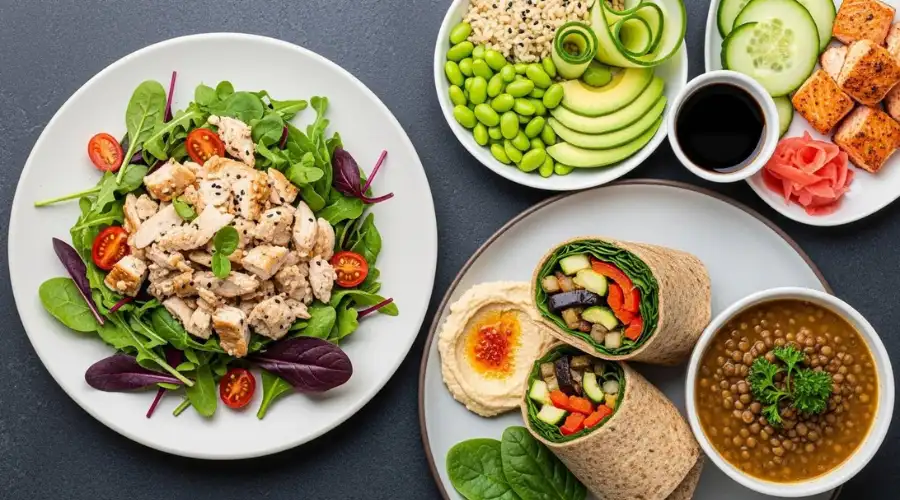
    For busy weekdays, simple recipes are key. Here are a few quick ideas that don’t compromise on nutrition:

    ➡️Grilled Chicken Salad with Quinoa

    Ingredients:

    • 1 cup cooked quinoa
    • 1 grilled chicken breast, sliced
    • Mixed greens (spinach, arugula, kale)
    • Cherry tomatoes, cucumber, and bell peppers
    • Olive oil and lemon dressing

    Why it’s healthy: Quinoa provides protein and fiber, while chicken adds lean protein. Fresh vegetables supply essential vitamins and minerals.

    Preparation: Mix all ingredients in a bowl, drizzle with olive oil and lemon juice, and serve immediately.

    ➡️Mediterranean Chickpea Bowl

    Ingredients:

    • 1 cup canned chickpeas, rinsed
    • 1/2 cup diced cucumbers
    • 1/2 cup cherry tomatoes
    • 1/4 cup feta cheese
    • 2 tbsp hummus
    • Fresh parsley and olive oil

    Why it’s healthy: Chickpeas are rich in protein and fiber, promoting fullness. Olive oil and feta provide heart-healthy fats, while fresh vegetables add antioxidants.

    Preparation: Toss chickpeas with vegetables, top with feta and hummus, and enjoy a vibrant, filling meal.

    ➡️Avocado and Turkey Wrap

    Ingredients:

    • Whole wheat tortilla
    • Sliced turkey breast
    • Sliced avocado
    • Lettuce, spinach, and tomato
    • Mustard or light yogurt dressing

    Why it’s healthy: Whole wheat wraps offer complex carbohydrates, turkey adds lean protein, and avocado supplies healthy fats to keep you energized.

    Preparation: Layer all ingredients in the tortilla, roll tightly, and slice in half for a portable lunch option.

    Vegetarian and Vegan Healthy Lunch Recipes

    For those following plant-based diets, there are numerous nutrient-packed options:

    ➡️Lentil and Vegetable Soup

    Ingredients:

    • 1 cup lentils
    • 2 carrots, diced
    • 2 celery stalks, chopped
    • 1 can diced tomatoes
    • Garlic, onion, and spices

    Why it’s healthy: Lentils are a protein powerhouse, high in fiber, and keep you full longer. Vegetables provide essential vitamins and minerals.

    Preparation: Simmer all ingredients in vegetable broth for 25-30 minutes, then season to taste.

    ➡️Sweet Potato and Black Bean Tacos

    Ingredients:

    • 1 medium sweet potato, cubed and roasted
    • 1/2 cup black beans
    • Corn tortillas
    • Avocado slices and salsa

    Why it’s healthy: Sweet potatoes are rich in complex carbs and vitamin A, while black beans add protein and fiber.

    Preparation: Assemble roasted sweet potatoes and black beans in tortillas, top with avocado and salsa, and enjoy a vibrant, plant-based meal.

    Meal Prep Ideas for Healthy Lunch Recipes

    Meal prepping is a game-changer for maintaining a healthy diet. By preparing healthy lunch recipes ahead of time, you save hours during the week and avoid unhealthy last-minute options. Some tips include:

    • Batch cook grains like quinoa, brown rice, or barley
    • Roast a variety of vegetables to mix and match
    • Prepare protein sources like grilled chicken, tofu, or boiled eggs in advance
    • Store meals in airtight containers for up to 4 days

    With a few simple prep steps, you can create a week’s worth of healthy lunches in under an hour.

    Tips for Creating Balanced Healthy Lunch Recipes

    To ensure every lunch is nutritious and satisfying, consider these guidelines:

    • Include Protein: Lean meats, beans, tofu, or legumes help maintain muscle and keep you full.
    • Add Fiber-Rich Foods: Vegetables, fruits, and whole grains support digestion and stabilize blood sugar.
    • Incorporate Healthy Fats: Avocado, nuts, seeds, and olive oil improve heart health and nutrient absorption.
    • Limit Processed Ingredients: Reduce added sugars, refined carbs, and heavily processed foods.
    • Hydrate: Pair your lunch with water, herbal tea, or infused water to stay refreshed.

    Common Mistakes to Avoid

    Even when trying to eat healthily, some lunch choices can unintentionally reduce nutrition:

    • Skipping vegetables: Always aim for at least half of your plate to be vegetables.
    • Overloading on carbs: Whole grains are healthy, but portion control is key.
    • Relying on store-bought sauces: Many pre-made dressings are high in sugar and unhealthy fats. Opt for homemade dressings whenever possible.

    Frequently Asked Questions (FAQs)

    Choose lean proteins, high-fiber veggies, and whole grains like grilled chicken salad or chickpea bowls.

    Prep grains, vegetables, and proteins ahead for easy meals like wraps or quinoa salads in minutes.

    Yes. Combining legumes, tofu, nuts, and vegetables gives protein and essential nutrients comparable to meat.

    Conclusion

    In conclusion, healthy lunch recipes are all about balance, flavor, and simplicity. Whether you prefer meat-based meals, vegetarian options, or vegan dishes, there’s a wide array of recipes to suit every taste and lifestyle. By incorporating lean proteins, fiber-rich vegetables, whole grains, and healthy fats, you can enjoy nutritious lunches that fuel your body and mind. Planning, prepping, and making mindful choices are the keys to sustaining a healthy lunch routine. Start experimenting with these recipes today, and transform your midday meal into a powerhouse of nutrition and taste.

  • Healthy Breakfast Recipes | Easy, Nutritious & Delicious Morning Meals

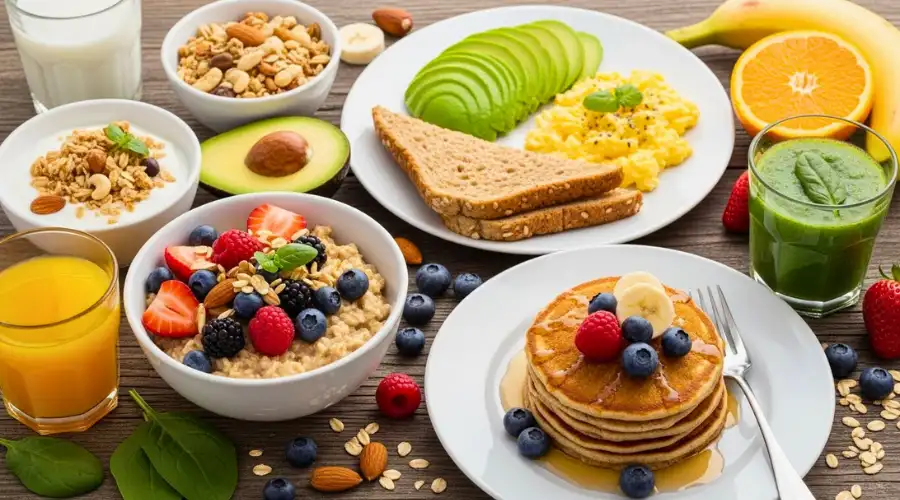
    A healthy breakfast sets the tone for your entire day. Whether you’re rushing out the door, fueling up for work, or simply looking to improve your daily eating habits, choosing the right morning meal can make a major difference in your energy levels, metabolism, and overall wellness. Healthy breakfast recipes don’t have to be complicated or time-consuming they can be quick, wholesome, balanced, and incredibly satisfying.

    In this guide, we’ll explore some delicious, nutrient-packed breakfast ideas, along with clear explanations to help you understand why each dish is good for you. From protein-rich bowls to fiber-filled smoothies, these recipes offer something for every lifestyle and taste preference.

    Why Healthy Breakfast Recipes Matter for Your Daily Energy

    Breakfast is often referred to as the most important meal of the day and for good reason. After several hours of sleep, your body needs fuel to kick-start your metabolism, enhance mental focus, and stabilize blood sugar levels. Healthy breakfast options provide:

    • Steady energy instead of mid-morning crashes
    • Improved concentration for work or school
    • Better digestion due to fiber-rich foods
    • Balanced nutrition through a mix of protein, healthy fats, and whole grains

    Choosing the right foods in the morning helps set a positive tone for the rest of the day and prevents overeating later on.

    Top Healthy Breakfast Recipes to Try

    Below are some of the best healthy breakfast recipes that are nourishing, easy to prepare, and perfect for busy mornings or relaxed weekend brunches.

    Protein-Packed Healthy Breakfast Recipes

    High-protein breakfasts support muscle health, boost metabolism, and help keep you full for longer. These recipes are ideal if you’re looking for a satisfying and energizing start to your day.

    ➡️Greek Yogurt Parfait with Berries and Nuts

    A yogurt parfait is fast, refreshing, and incredibly nutrient-dense.

    Ingredients:

    • 1 cup plain Greek yogurt
    • A handful of mixed berries
    • 1 tablespoon honey or maple syrup
    • A sprinkle of almonds, walnuts, or chia seeds

    Why It’s Healthy:
    Greek yogurt provides high-quality protein that aids muscle repair, while berries supply antioxidants that support immunity. Nuts add healthy fats and crunch, making this breakfast both filling and satisfying.

    ➡️Vegetable & Egg Scramble

    This savory recipe is perfect for those who love warm, hearty breakfasts.

    Ingredients:

    • 2 eggs
    • Spinach, bell peppers, onions, or tomatoes
    • A pinch of salt and pepper
    • A teaspoon of olive oil

    Why It’s Healthy:
    Eggs are one of the most complete protein sources available. When paired with vegetables, this meal delivers plenty of vitamins, minerals, and fiber. Olive oil adds heart-healthy fats that keep you fueled throughout the morning.

    Healthy Breakfast Recipes for Weight Management

    If your goal is weight management, these nutritious, low-calorie yet filling options are excellent choices.

    ➡️Overnight Chia Pudding

    A convenient make-ahead breakfast that feels like dessert but is packed with nutrients.

    Ingredients:

    • 3 tablespoons chia seeds
    • 1 cup almond or oat milk
    • 1 teaspoon vanilla extract
    • Fresh fruit for topping

    Why It’s Healthy:
    Chia seeds expand as they absorb liquid, creating a thick and satisfying pudding. They are rich in fiber, which improves digestion and keeps you feeling full. This recipe is also customizable with fruits like mango, banana, or strawberries.

    ➡️Avocado Toast with Whole-Grain Bread

    A trendy yet timeless breakfast option that combines simplicity with rich nutrition.

    Ingredients:

    • 1–2 slices whole-grain bread
    • ½ ripe avocado
    • Salt, pepper, chili flakes, or lemon juice

    Why It’s Healthy:
    Avocado provides heart-healthy monounsaturated fats, while whole-grain bread adds complex carbohydrates and fiber. Together, they deliver a balanced breakfast that helps regulate blood sugar levels and curb cravings.

    Healthy Breakfast Smoothie Recipes

    Smoothies are fast to prepare, easy to digest, and can pack multiple nutrients into one glass. They are perfect for busy mornings or as a portable breakfast option.

    ➡️Green Detox Smoothie

    Ingredients:

    • 1 handful spinach
    • ½ banana
    • ½ apple
    • 1 tablespoon flaxseeds
    • 1 cup water or coconut water

    Why It’s Healthy:
    This smoothie is rich in antioxidants, fiber, vitamins, and hydration. Spinach supports blood pressure and bone health, while flaxseeds supply omega-3s for brain function.

    ➡️Peanut Butter Banana Protein Smoothie

    Ingredients:

    • 1 banana
    • 1 tablespoon peanut butter
    • 1 scoop protein powder (optional)
    • 1 cup milk of your choice

    Why It’s Healthy:
    This smoothie is a delicious and energizing way to increase protein intake. Peanut butter adds healthy fats, helping to keep you full and improving overall flavor.

    Healthy Breakfast Recipes for Busy Mornings

    These quick options require minimal preparation and are ideal for people who need a nutritious breakfast on the go.

    ➡️Oatmeal with Fruit and Seeds

    Oatmeal is a versatile and classic breakfast choice.

    Ingredients:

    • ½ cup rolled oats
    • Milk or water
    • Toppings: banana slices, berries, chia seeds, or nuts

    Why It’s Healthy:
    Oats provide slow-digesting carbohydrates that help maintain stable energy throughout the morning. They also contain beta-glucan fiber, known for supporting heart and digestive health.

    ➡️Whole-Grain Breakfast Wrap

    Ingredients:

    • Whole-grain tortilla
    • Scrambled eggs or tofu
    • Spinach and tomatoes

    Why It’s Healthy:
    This portable breakfast delivers a perfect balance of protein, veggies, and whole grains. It’s easy to customize and perfect for meal prep.

    Helpful Tips for Making Healthy Breakfast Recipes Part of Your Routine

    To enjoy the benefits of a nutritious morning meal, consistency is key. Here are some practical tips to help you create a sustainable breakfast routine:

    • Prep ahead: Make chia pudding or cut fruits at night to save time in the morning.
    • Balance your plate: Aim for protein, healthy fats, and whole grains in every breakfast.
    • Choose whole ingredients: Minimize processed foods and opt for fresh produce whenever possible.
    • Stay hydrated: A glass of water or herbal tea can improve digestion and energy.

    By making small adjustments and planning ahead, healthy eating becomes easier and more enjoyable.

    Frequently Asked Questions (FAQs)

    The best quick healthy breakfasts include overnight oats, yogurt parfaits, smoothies, and whole-grain avocado toast because they require minimal preparation and deliver balanced nutrition.

    Add protein sources like eggs, Greek yogurt, nuts, or seeds, and incorporate fiber-rich ingredients such as oats, fruits, and whole grains to keep you full longer.

    Yes, smoothies can be a nutritious breakfast when prepared with whole fruits, leafy greens, nuts, seeds, and a good protein source, rather than sugary juices or syrups.

    Conclusion

    In conclusion, healthy breakfast recipes offer a powerful way to fuel your body, enhance energy, and support long-term wellness. Whether you prefer protein-rich meals, quick smoothies, or wholesome grain bowls, choosing nutrient-dense ingredients helps stabilize blood sugar, improve focus, and keep you satisfied throughout the morning. By making balanced breakfast choices part of your daily routine, you set the foundation for a healthier, more energized lifestyle every single day.

  • CBD Effects on Heart | Benefits, Risks & Scientific Insights

    The popularity of CBD, or cannabidiol, has skyrocketed in recent years, with millions turning to it for potential health benefits. Extracted from the cannabis plant, CBD is non-psychoactive, meaning it does not produce the high associated with THC. While most people associate CBD with stress relief or sleep improvement, its potential effects on heart health are increasingly drawing attention from researchers and wellness enthusiasts alike. Understanding CBD effects on heart is crucial for anyone considering this supplement as part of a heart-healthy lifestyle.

    Understanding the Heart and Cardiovascular Health

    Before delving into CBD’s impact, it’s essential to understand the heart’s role in overall health. The heart is a muscular organ responsible for pumping blood throughout the body, supplying oxygen and nutrients to tissues while removing waste. Cardiovascular health encompasses the proper functioning of the heart and blood vessels. Conditions like hypertension (high blood pressure), atherosclerosis, and arrhythmias can compromise heart health, increasing the risk of heart attacks, strokes, and other serious issues.

    Lifestyle factors including diet, exercise, stress, and sleep play a significant role in maintaining cardiovascular health. Recently, researchers have explored natural supplements, such as CBD, for their potential in supporting heart function and overall cardiovascular wellness.

    How CBD Interacts with the Heart

    CBD interacts with the body’s endocannabinoid system (ECS), which regulates various physiological processes such as mood, immune response, and cardiovascular function. The ECS includes receptors like CB1 and CB2, found in the heart and blood vessels. By influencing these receptors, CBD may affect cardiovascular processes including blood pressure, heart rate, and inflammation.

    Several studies suggest that CBD has the potential to support heart health, but it is important to note that most research is still in early stages, and human clinical trials are limited.

    CBD Effects on Blood Pressure

    One of the most studied aspects of CBD effects on heart is its impact on blood pressure. Hypertension is a major risk factor for heart disease and stroke, and managing it is key to long-term cardiovascular health.

    ➡️Acute Blood Pressure Reduction

    Research indicates that CBD may help lower resting blood pressure. A small study published in JCI Insight (2017) found that a single dose of CBD reduced blood pressure in healthy individuals exposed to stress. This effect is thought to be related to CBD’s ability to relax blood vessels and reduce stress-induced increases in heart rate and blood pressure.

    ➡️Potential Mechanism

    CBD’s anti-anxiety and stress-reducing properties may play a role in controlling blood pressure spikes caused by stress. Additionally, its interaction with vascular CB1 and CB2 receptors may promote vasodilation, improving blood flow and reducing pressure on arterial walls.

    Anti-Inflammatory and Antioxidant Effects

    Chronic inflammation and oxidative stress are significant contributors to heart disease. CBD has shown potential anti-inflammatory and antioxidant properties, which could support cardiovascular health.

    • Inflammation Reduction: CBD may reduce the production of inflammatory cytokines, potentially protecting the heart from damage caused by chronic inflammation.
    • Oxidative Stress: By counteracting oxidative stress, CBD may help prevent the progression of atherosclerosis, a condition where arterial walls thicken due to plaque buildup.

    These properties suggest that CBD could complement a heart-healthy lifestyle, although more human studies are needed to confirm these effects.

    CBD and Arrhythmias

    Arrhythmias, or irregular heartbeats, can be dangerous if left unmanaged. Preliminary research suggests that CBD may help stabilize heart rhythms. A 2010 study in British Journal of Pharmacology showed that CBD could reduce heart rate and the risk of abnormal heart rhythms in animal models, especially under stress conditions.

    While promising, human clinical trials are necessary before CBD can be recommended as a treatment for arrhythmias. Anyone with a heart rhythm disorder should consult a cardiologist before using CBD products.

    Potential Risks and Considerations

    While CBD is generally well-tolerated, it’s important to be aware of potential risks, especially for heart health:

    • Drug Interactions: CBD can interact with medications, including blood thinners and drugs for high blood pressure.
    • Blood Pressure Changes: In some cases, CBD may cause low blood pressure, leading to dizziness or fainting, particularly if combined with other antihypertensive medications.
    • Quality and Dosage: The safety of CBD depends on product quality and dosage. Low-quality products may contain contaminants or inconsistent CBD concentrations.

    Always consult a healthcare provider before starting CBD, particularly if you have heart conditions or take prescription medications.

    Choosing the Right CBD Product

    If you’re considering CBD for heart health, choosing the right product is crucial:

    • Third-Party Tested: Look for products with lab reports verifying purity and potency.
    • Full-Spectrum vs. Isolate: Full-spectrum CBD may provide additional benefits due to the entourage effect, while isolates contain only CBD.
    • Dosage: Start low and gradually increase while monitoring how your body responds.
    • Reputable Brands: Choose established brands that adhere to strict manufacturing standards.

    Lifestyle Tips to Support Heart Health Alongside CBD

    While CBD may offer cardiovascular benefits, it should complement, not replace, a heart-healthy lifestyle. Some key practices include:

    • Regular Exercise: Aim for at least 150 minutes of moderate-intensity activity weekly.
    • Balanced Diet: Focus on heart-healthy foods rich in fiber, antioxidants, and healthy fats.
    • Stress Management: Yoga, meditation, and breathing exercises can enhance CBD’s calming effects.
    • Sleep Quality: Adequate sleep is vital for blood pressure regulation and overall heart health.

    Frequently Asked Questions (FAQs)

    CBD may help reduce blood pressure by relaxing blood vessels and easing stress, though more research is needed.

    CBD is generally safe but can interact with heart medications. Consult your doctor before use.

    CBD may reduce inflammation, oxidative stress, and stress-related heart strain, supporting overall heart function.

    Conclusion

    In conclusion, CBD shows promising potential for supporting heart health by helping lower blood pressure, reducing inflammation, and combating oxidative stress. While research is still emerging, CBD can complement a heart-healthy lifestyle when used responsibly. Consulting a healthcare professional is essential, especially for those with existing heart conditions or on medications, to ensure safe and effective use.

  • CBD Effects on Brain | How Cannabidiol Influences Mood & Health

    Cannabidiol (CBD) has rapidly gained popularity as one of the most researched compounds found in the cannabis plant. While many people associate CBD with relaxation or pain relief, one of the most fascinating areas of study is the CBD effects on brain function. Scientists are uncovering how CBD interacts with the body’s endocannabinoid system (ECS), influences neurotransmitters, supports mood regulation, and may even protect the brain from long-term damage.

    In this comprehensive guide, we’ll explore how CBD works in the brain, what the research says about its potential benefits, and how it may affect cognitive health, anxiety, stress, memory, and neurological disorders. Whether you’re a CBD user or simply curious about its scientific impact, this article breaks down the latest insights in a clear and easy-to-understand way.

    Understanding How CBD Works in the Brain

    CBD and the Endocannabinoid System

    To understand the CBD effects on brain, it’s essential to look at the endocannabinoid system (ECS). The ECS is a complex network of receptors (CB1 and CB2), enzymes, and endocannabinoids that help maintain balance in the body. It influences mood, sleep, memory, inflammation, and stress responses.

    Unlike THC, CBD does not bind strongly to CB1 receptors. Instead, CBD modulates how the ECS works, supporting neurotransmitter activity and calming overactive brain pathways.

    How CBD Interacts With Neurotransmitters

    CBD may influence several important brain chemicals, including:

    • Serotonin – linked to mood, anxiety regulation, and emotional balance
    • Dopamine – responsible for focus, motivation, and reward
    • GABA – the brain’s calming neurotransmitter
    • Glutamate – the key neurotransmitter for learning and memory

    These interactions explain why CBD is widely studied for anxiety, focus, and neuroprotection.

    CBD Effects on Brain Health and Cognitive Function

    ➡️CBD and Mood Regulation

    Research suggests that CBD may help stabilize mood by influencing serotonin receptors (especially 5-HT1A). This receptor plays a role in anxiety, depression, and emotional control.

    CBD for Stress Relief

    Many users report feeling calmer after taking CBD. Studies support this effect, showing CBD may reduce cortisol (the stress hormone) and help regulate stress response systems.

    CBD and Anxiety

    One of the most documented CBD effects on brain is its potential to ease anxiety symptoms. Clinical trials show CBD may help with:

    • Generalized anxiety
    • Social anxiety
    • Panic symptoms
    • Sleep-related anxiety

    CBD’s ability to calm overactive brain circuits makes it a promising natural alternative for stress and worry.

    ➡️CBD and Memory

    CBD may also support cognitive clarity and memory formation.

    Short-Term Effects on Memory

    Unlike THC, CBD does not impair memory or cognitive processing. Instead, CBD may help maintain mental clarity by reducing inflammation and protecting neurons from stress.

    Long-Term Brain Support

    Research indicates that CBD may promote neurogenesis (growth of new neurons) in the hippocampus, a region vital for learning and memory.

    This makes CBD a potential complementary option for long-term brain health support.

    ➡️CBD and Brain Inflammation

    Chronic brain inflammation can contribute to anxiety, depression, and neurodegenerative disorders. CBD is known for its anti-inflammatory properties and may help:

    • Reduce oxidative stress
    • Protect neurons from damage
    • Improve overall brain function

    By calming inflammation, CBD may support clearer thinking and more stable mood patterns.

    ➡️Neuroprotective CBD Effects on Brain

    One of the most promising areas of research focuses on CBD’s neuroprotective potential. Studies show CBD may help protect the brain from:

    • Oxidative stress
    • Toxicity
    • Degeneration
    • Trauma

    CBD for Neurodegenerative Conditions

    CBD is being explored as a supportive therapy for conditions such as:

    • Alzheimer’s disease
    • Parkinson’s disease
    • Multiple sclerosis
    • Epilepsy

    While not a cure, CBD may reduce symptoms like inflammation, tremors, and abnormal brain activity.

    CBD Effects on Brain Disorders

    ➡️CBD for Epilepsy and Seizures

    One of the most well-documented uses of CBD is in treating epilepsy. The FDA-approved drug Epidiolex uses CBD as its active ingredient and is prescribed for severe seizure disorders.

    CBD interacts with brain signaling pathways to reduce abnormal electrical activity, offering hope for patients with drug-resistant epilepsy.

    ➡️CBD and Depression

    CBD’s effect on serotonin regulation makes it a candidate for mood support. Early research suggests CBD may act as a fast-acting antidepressant without the side effects of traditional medications. However, more clinical trials are still needed.

    ➡️CBD and PTSD

    CBD may help balance memory processing, fear response, and anxiety three major components of post-traumatic stress disorder (PTSD). Many PTSD patients use CBD as part of a holistic wellness routine to manage intrusive thoughts, insomnia, and anxiety.

    How Fast Does CBD Affect the Brain?

    Onset Times Depend on the Consumption Method

    Different forms of CBD affect the brain at different speeds:

    • CBD oil (sublingual): 15–30 minutes
    • CBD edibles: 45–90 minutes
    • CBD vaping: Nearly instant
    • CBD capsules: 45–60 minutes

    The effects typically last for 4–8 hours depending on dosage and body chemistry.

    Side Effects | What to Know About CBD and the Brain

    CBD is generally considered safe, but some individuals may experience mild effects such as:

    • Drowsiness
    • Dry mouth
    • Changes in appetite
    • Interaction with certain medications

    Most side effects occur at high doses or when CBD interacts with prescription drugs. Consulting a healthcare professional is recommended.

    Choosing High-Quality CBD for Brain Health

    To maximize benefits and minimize risks, always look for:

    • Third-party lab testing
    • Organic hemp sources
    • CO2 extraction
    • Full-spectrum or broad-spectrum formulas
    • Clearly labeled CBD concentrations

    Quality matters because impurities or inaccurate dosing can affect how CBD interacts with the brain.

    Frequently Asked Questions (FAQs)

    CBD interacts with receptors that influence serotonin, dopamine, and GABA levels. This helps support mood balance, reduce anxiety, and promote a calmer mental state without causing intoxication.

    While CBD does not enhance memory directly, research suggests it may support cognitive health by reducing inflammation, protecting neurons, and promoting neurogenesis in the hippocampus the part of the brain responsible for learning and memory.

    Most studies show that CBD is generally safe, even with long-term use. However, dosage, product quality, and potential interactions with medications should be considered. Consulting a healthcare professional is recommended for consistent or high-dose use.

    Conclusion

    In conclusion, the CBD effects on brain health are both promising and scientifically compelling. CBD interacts with the endocannabinoid system, supports neurotransmitter balance, reduces inflammation, and may protect the brain from long-term damage. Research continues to uncover how CBD may help with anxiety, mood regulation, memory, cognitive performance, and neurological disorders. While it’s not a cure-all, CBD offers a powerful natural option for individuals seeking better mental clarity and emotional well-being. As always, choosing high-quality CBD products and consulting a healthcare professional ensures the safest and most effective experience.

  • 10 Benefits of CBD | Key Health Advantages Backed by Research

    CBD (cannabidiol) has rapidly become one of the most talked-about natural wellness supplements worldwide. Extracted from hemp plants and known for its non-psychoactive nature, CBD is widely used for relaxation, sleep support, stress relief, pain management, and overall wellness. With growing scientific interest and user demand, understanding the 10 benefits of CBD can help you make informed decisions about whether it’s right for your lifestyle and needs.

    In this guide, we explore the top benefits of CBD, explain how it works, and highlight why it has become a go-to option for many looking for natural relief.

    What Is CBD and How Does It Work?

    CBD is a natural compound found in hemp plants. Unlike THC, it does not create a high. Instead, CBD interacts with the body’s endocannabinoid system (ECS) a complex network that regulates mood, pain, sleep, immune response, and inflammation. By supporting ECS balance, CBD may promote overall well-being.

    The Top 10 Benefits of CBD

    ➡️CBD Helps Reduce Stress and Anxiety

    One of the most well-known benefits of CBD is its calming effect. CBD interacts with serotonin receptors, which play a key role in mood regulation. Many people use CBD oils or gummies to reduce daily stress, support emotional balance, or ease social anxiety. It provides relaxation without the sedative effects of certain medications.

    ➡️CBD Supports Better Sleep Quality

    Many users report improved sleep after taking CBD. It may help regulate sleep cycles, reduce nighttime restlessness, and calm the mind before bed. Unlike traditional sleep aids, CBD does not typically cause next-day grogginess, making it a popular natural sleep support option.

    ➡️CBD May Help Manage Pain

    CBD’s potential for pain relief is one of its most researched benefits. By interacting with ECS pain receptors, CBD may help with conditions like:

    • Muscle soreness
    • Joint discomfort
    • Chronic pain
    • Back pain

    Topical CBD creams are often used for targeted relief, while oils and capsules may support full-body comfort.

    ➡️CBD Helps Reduce Inflammation

    Another major benefit of CBD is its anti-inflammatory properties. Chronic inflammation is linked to issues like arthritis, digestive problems, skin irritation, and autoimmune conditions. CBD may help calm inflammatory responses, making it a useful natural supplement for overall body wellness.

    ➡️CBD Supports Mental Clarity and Focus

    Some users find that CBD helps them stay more alert and focused throughout the day. By reducing stress and promoting mental calmness, CBD may indirectly support better concentration and productivity. It’s increasingly used by professionals and students to maintain a clear, balanced state of mind.

    ➡️CBD May Support Heart Health

    Early research suggests CBD may help support cardiovascular health. It may reduce inflammation and oxidative stress two major factors that affect heart health. Some studies also show CBD may promote healthy blood pressure levels, especially during stress.

    ➡️CBD Can Improve Skin Health

    CBD is becoming a popular ingredient in skincare products due to its anti-inflammatory and antioxidant properties. It may help with:

    • Acne
    • Redness
    • Dry skin
    • Irritation
    • Premature aging

    CBD skincare products support balanced skin tone and healthier texture.

    ➡️CBD May Support Immune System Balance

    CBD interacts with immune receptors within the ECS, which may help regulate immune responses. Rather than boosting immunity excessively, CBD promotes balance helping the immune system function more efficiently and respond appropriately to stressors.

    ➡️CBD May Help Reduce Symptoms of Certain Neurological Issues

    CBD’s ability to support neurological health has gained scientific attention. It may help reduce symptoms related to neurological disorders by promoting calmness and reducing excessive electrical activity in the brain. While research is ongoing, CBD’s neuroprotective properties are promising.

    ➡️CBD Supports Overall Well-Being and Balance

    Beyond specific conditions, one of the biggest benefits of CBD is its ability to support homeostasis your body’s natural state of balance. Many people take CBD daily for:

    • Mood balance
    • Better sleep
    • Reduced stress
    • Improved recovery
    • Enhanced overall wellness

    It’s a natural way to support the body without synthetic chemicals.

    Types of CBD Products and How to Use Them

    ➡️CBD Oils

    CBD oil is the most flexible and commonly used form. It can be placed under the tongue for fast absorption or added to drinks and food. Oils allow users to easily adjust dosage based on their needs.

    ➡️CBD Gummies

    Gummies are convenient, tasty, and great for beginners. They offer pre-measured doses of CBD, making them easy to incorporate into daily routines.

    ➡️CBD Capsules

    Capsules are ideal for consistent dosing and long-lasting effects. They are often chosen for daily wellness routines.

    ➡️CBD Topicals

    Creams, balms, and lotions infused with CBD are used for targeted relief especially for joint or muscle discomfort.

    ➡️CBD Vapes

    CBD vape oils offer the fastest absorption, although they may not be suitable for everyone. They are used primarily for quick relief from stress or anxiety.

    Safety, Precautions, and Side Effects

    CBD is generally well-tolerated. However, some people may experience:

    • Dry mouth
    • Mild drowsiness
    • Changes in appetite

    Always start with a low dose and increase slowly. If you are taking medications or have health conditions, consult a healthcare professional before using CBD.

    Who Can Benefit Most From CBD?

    CBD may be beneficial for:

    • Adults dealing with daily stress
    • People with sleep problems
    • Individuals experiencing chronic pain
    • Athletes with muscle soreness
    • Those seeking natural wellness support
    • Anyone looking to maintain a balanced mood

    Its versatility makes CBD suitable for a wide range of wellness needs.

    How to Choose Quality CBD Products

    To fully experience the 10 benefits of CBD, choose high-quality products. Look for:

    • Third-party lab testing
    • Organic, non-GMO hemp
    • Clear CBD potency labels
    • No artificial additives
    • CO2 extraction (best method for purity)

    Quality makes a significant difference in effectiveness and safety.

    Frequently Asked Questions (FAQs)

    CBD may support everyday wellness by promoting calmness, improving sleep quality, reducing inflammation, easing discomfort, and supporting overall balance in the body’s endocannabinoid system.

    Most people can use CBD daily without issues. It is generally considered safe, but beginners should start with a low dose and gradually increase. Individuals taking medications should consult a healthcare professional.

    The effects of CBD vary based on the product type and individual body chemistry. Oils may work within 20–40 minutes, while gummies or capsules may take 1–2 hours. Consistent daily use often provides the best results.

    Conclusion

    In conclusion, CBD offers a wide range of wellness benefits that make it a valuable addition to modern health routines. From easing stress and improving sleep to supporting pain relief, inflammation reduction, and overall balance, the 10 benefits of CBD highlight why it continues to grow in popularity. With proper dosing and high-quality products, CBD can be a natural and effective way to support both body and mind. As research continues to expand, CBD’s role in everyday wellness is expected to become even more significant.