• Does CBD Make You Lose Weight? Benefits, Science & Facts Explained

    CBD has become a mainstream wellness ingredient in recent years, praised for everything from stress relief to better sleep. But a growing question has caught the attention of health enthusiasts: Does CBD make you lose weight?
    As more people explore natural solutions for managing their health, CBD’s potential role in weight loss has become a hot topic. While CBD is not a magic fat-burning supplement, early research suggests it may support weight management in certain ways.

    This article breaks down what science says, how CBD interacts with the body, potential benefits, and what to realistically expect.

    Understanding CBD and How It Affects the Body

    Before exploring weight-related effects, it’s important to understand what CBD is and how it works.

    CBD (cannabidiol) is a non-psychoactive compound found in the hemp plant. Unlike THC, it does not cause any high.
    CBD interacts with the endocannabinoid system (ECS) a regulatory system that helps maintain balance in:

    • Mood
    • Appetite
    • Metabolism
    • Sleep
    • Hormone production
    • Inflammation

    Because these functions are linked to weight control, researchers have begun investigating whether CBD can influence body fat, cravings, and energy use.

    Does CBD Make You Lose Weight? The Short Answer

    There is no direct evidence that CBD causes weight loss on its own.
    However, research shows CBD may support weight management by influencing appetite, metabolism, inflammation, and fat conversion.

    CBD is best viewed as a supportive tool, not a standalone weight-loss product.

    How CBD May Support Weight Loss

    Below are the top science-backed ways CBD might help individuals who are trying to manage their weight.

    ➡️CBD May Help Regulate Appetite

    Unlike THC which often increases hunger CBD works differently.

    Studies indicate CBD may:

    • Help reduce excessive appetite in some people
    • Support balanced hunger signals
    • Influence how the brain responds to food cues

    For individuals who tend to overeat due to stress or emotional triggers, CBD’s calming effects may naturally curb unnecessary snacking.

    Example

    Someone who stress-eats during work hours might feel more emotionally balanced with CBD, resulting in fewer cravings for sugary snacks.

    ➡️CBD May Boost Metabolism Through Fat Browning

    One of the most interesting scientific findings about CBD is its influence on fat cells.

    There are two main types of fat:

    • White fat – stores energy and contributes to weight gain
    • Brown fat – burns energy and helps regulate body temperature

    Research suggests CBD may help convert white fat into brown fat, a process known as fat browning.
    Brown fat burns more calories, which may support weight control.

    This doesn’t mean CBD melts fat away, but it may encourage the body to use stored fat more efficiently.

    ➡️CBD May Improve Sleep Quality

    Good sleep is crucial for weight management. Poor sleep can increase cravings, disrupt hormones, and slow metabolism.

    CBD may help with:

    • Falling asleep faster
    • Staying asleep longer
    • Reducing nighttime anxiety

    Better sleep often leads to better daily decisions around food and exercise.

    ➡️CBD May Reduce Inflammation Linked to Weight Gain

    Chronic inflammation in the body can:

    • Interfere with normal metabolism
    • Increase insulin resistance
    • Contribute to fat accumulation

    CBD has well-known anti-inflammatory properties, which may support metabolic health and make it easier to maintain a healthy weight.

    ➡️CBD May Reduce Stress-Related Eating

    Stress triggers cortisol, a hormone linked to:

    • Increased appetite
    • Fat storage (especially belly fat)
    • Emotional eating

    CBD may help regulate the body’s stress response, making it easier to avoid overeating when feeling overwhelmed.

    Example

    A person who typically craves junk food after a stressful day might find themselves feeling calmer and less tempted after using CBD.

    What CBD Cannot Do for Weight Loss

    While CBD offers supportive benefits, it’s important to have realistic expectations.

    CBD cannot:

    • Melt fat instantly
    • Replace healthy eating
    • Substitute exercise
    • Guarantee weight loss

    Think of CBD as part of a holistic lifestyle not a quick fix.

    Best Ways to Use CBD for Weight Management

    If you’re considering CBD, here are the most effective forms and tips.

    ➡️CBD Oil Tinctures

    Absorbs quickly and allows easy dosage adjustments. Ideal for daily use.

    ➡️CBD Capsules or Softgels

    Convenient and consistent for those who prefer pre-measured doses.

    ➡️CBD Gummies

    Taste-friendly but slower to absorb. Best for beginners.

    ➡️Broad-Spectrum or Full-Spectrum CBD

    These contain additional cannabinoids and terpenes that may enhance the overall benefits through the entourage effect.

    How Much CBD Should You Take?

    There is no one-size-fits-all dosage. Most people start with:

    • 10–20 mg per day for beginners
    • Increase slowly over 1–2 weeks
    • Observe how your body responds

    Always choose reputable brands that provide third-party lab testing.

    Possible Side Effects of CBD

    CBD is generally safe, but some individuals may experience:

    • Dry mouth
    • Drowsiness
    • Digestive discomfort
    • Changes in appetite

    These effects are usually mild and temporary.

    Who Should Avoid CBD?

    People who should consult a doctor before using CBD include:

    • Pregnant or breastfeeding individuals
    • People taking prescription medications
    • Individuals with liver conditions

    Professional guidance ensures safe and effective use.

    Does CBD Make You Lose Weight? The Final Verdict

    CBD may support weight loss, but it does not directly cause weight loss.
    Its benefits come from improving processes that influence weight, such as appetite control, sleep, stress levels, inflammation, and fat metabolism.

    When combined with healthy habits balanced nutrition, regular exercise, hydration, and quality sleep CBD can be a helpful addition to your wellness routine.

    Frequently Asked Questions (FAQs)

    CBD does not directly burn fat, but it may support weight management by influencing appetite, metabolism, inflammation, and stress levels.

    Yes, CBD may help regulate appetite and reduce stress-related eating by promoting calmness and improving emotional balance.

    Results vary, but most users may start noticing supportive effects such as better sleep or reduced cravings within a few weeks of consistent use.

    Conclusion

    In conclusion, CBD does not directly cause weight loss, but growing research shows it may support healthier weight management by influencing appetite, stress, sleep quality, inflammation, and metabolic processes. These indirect benefits can make it easier to maintain balanced eating habits and an active lifestyle. When paired with proper nutrition, exercise, and consistent usage, CBD can serve as a helpful addition to a comprehensive wellness routine. As always, choosing high-quality products and consulting a healthcare professional ensures safe and effective results.

  • CBD vs THC | Key Differences, Effects & Benefits Explained

    Cannabis has become one of the most discussed natural wellness topics in recent years, and two compounds are at the center of this conversation: CBD (cannabidiol) and THC (tetrahydrocannabinol). While both are cannabinoids found in the cannabis plant, their effects, benefits, and legal status differ significantly. As interest in natural health solutions continues to rise, understanding CBD vs THC has never been more important.

    Whether you’re exploring cannabinoids for health support, pain relief, mental well-being, or simply out of curiosity, this comprehensive guide explains everything you need to know. We’ll break down the science, compare their effects, discuss potential benefits, and help you decide which option might be right for you.

    What Is CBD? A Closer Look at Cannabidiol

    CBD, short for cannabidiol, is a non-psychoactive compound derived from the hemp or cannabis plant. Unlike THC, CBD does not produce a high, which makes it appealing for people seeking relief without altering their mental state.

    ➡️How CBD Works in the Body

    CBD interacts with the endocannabinoid system (ECS) a complex network that helps regulate mood, sleep, pain, inflammation, and immunity. Unlike THC, CBD does not bind strongly to cannabinoid receptors (CB1 and CB2). Instead, it works indirectly, helping balance the ECS.

    ➡️Common CBD Benefits

    Research and user experiences suggest several potential benefits:

    • Pain relief for chronic conditions
    • Reduced inflammation in muscles and joints
    • Lower anxiety and stress levels
    • Improved sleep quality
    • Neuroprotective properties for brain health

    CBD is often used in oils, tinctures, capsules, gummies, topicals, and skincare products.

    What Is THC? Understanding Tetrahydrocannabinol

    THC is the main psychoactive compound in cannabis and is responsible for the high commonly associated with marijuana.

    ➡️How THC Works

    THC binds directly to CB1 receptors in the brain, creating changes in perception, mood, and cognition. This strong interaction is what leads to its intoxicating effects.

    ➡️Potential Benefits of THC

    Although THC is intoxicating, it also offers several therapeutic benefits:

    • Pain relief, especially for severe chronic pain
    • Improved appetite, particularly for patients undergoing treatments
    • Reduced nausea and vomiting
    • Muscle relaxation
    • Better sleep for some individuals

    THC is commonly consumed through smoking, vaping, edibles, tinctures, and medical cannabis products.

    CBD vs THC | Main Differences Explained

    Understanding the differences between CBD and THC helps users make informed decisions.

    ➡️Psychoactive Effects

    • CBD: Non-intoxicating, does not cause a high.
    • THC: Intoxicating, produces a euphoric or altered state.

    This is the biggest and most well-known difference.

    ➡️Legal Status

    • CBD: Legal in many countries and U.S. states if derived from hemp (less than 0.3% THC).
    • THC: Heavily regulated; legal for medical or recreational use only in specific regions.

    Always check local laws before purchasing.

    ➡️Side Effects

    CBD side effects (mild):

    • Fatigue
    • Dry mouth
    • Changes in appetite

    THC side effects (more noticeable):

    • Increased heart rate
    • Altered perception
    • Anxiety or paranoia in some cases
    • Impaired memory or coordination

    ➡️Medical Uses

    Both cannabinoids support wellness but are preferred for different purposes:

    ConditionCBDTHC
    Anxiety✔ Excellent✖ May worsen
    Pain relief✔ Effective✔ Very effective
    Sleep✔ Helps relax✔ Strong sedative effect
    Appetite✖ Limited effects✔ Stimulates appetite
    Inflammation✔ Strong anti-inflammatory✔ Moderate

    CBD vs THC | How They Work Together The Entourage Effect

    CBD and THC don’t just work independently they can enhance each other’s effects through what researchers call the entourage effect. This means cannabinoids may work better when combined.

    Why the Combination Helps

    • CBD can reduce the intensity of THC’s high, making it more tolerable.
    • THC can increase the therapeutic impact of CBD for pain and sleep.
    • Both together may offer more balanced relief than either alone.

    Full-spectrum CBD products leverage this synergy, containing small amounts of THC (0.3% or less).

    Choosing Between CBD and THC | Which Is Right for You?

    Selecting the right cannabinoid depends on your goals, tolerance, and location.

    ➡️Choose CBD If You Want:

    • Relief without intoxication
    • Help with anxiety or daily stress
    • Better sleep without feeling “high”
    • Legal and widely accessible products

    ➡️Choose THC If You Want:

    • Strong pain relief
    • Support for nausea or appetite
    • Help with severe insomnia
    • A euphoric or relaxing high (in legal regions)

    ➡️Consider a Blend If You Want:

    • A balanced experience
    • Greater therapeutic benefits
    • Synergistic effects with lower side effects

    Safety Considerations for CBD vs THC

    While both cannabinoids are generally safe, responsible use is essential.

    ➡️Start Low and Go Slow

    Beginners should start with a small dose and gradually increase to find their ideal balance.

    ➡️Check for Third-Party Lab Testing

    Always choose reputable brands that provide lab reports validating:

    • Purity
    • Potency
    • Safety
    • Accurate cannabinoid content

    ➡️Consult a Healthcare Professional

    If you have a medical condition or take medications, professional guidance is recommended.

    CBD vs THC | Future Trends and Research

    The scientific community is rapidly expanding its research into cannabinoids. Future studies are exploring:

    • CBD’s role in neurodegenerative diseases
    • THC for chronic pain management
    • The therapeutic potential of combined cannabinoids
    • Safer consumption methods

    As cannabis becomes more widely accepted, we can expect even more evidence-based insights.

    Frequently Asked Questions (FAQs)

    CBD is non-intoxicating, while THC produces a psychoactive high.

    CBD is legal in many regions if it contains under 0.3% THC. THC laws vary widely by location.

    Yes. They may work better together through the entourage effect, but beginners should start with low doses.

    Conclusion

    In conclusion, understanding CBD vs THC is essential for anyone exploring natural wellness solutions. While both cannabinoids come from the same plant, they differ in psychoactive effects, legal status, medicinal uses, and safety profiles. CBD offers non-intoxicating relief and is ideal for anxiety, inflammation, and general wellness, whereas THC provides more potent pain relief and relaxation but with noticeable psychoactive effects. Whether you choose CBD, THC, or a balanced blend, the key is to use high-quality products responsibly and according to your personal needs.

  • 5 Ways to Take Care of Your Ears for Healthy Hearing

    Our ears do more than just let us hear the sounds around us they are vital for balance and overall well-being. Yet, many people overlook proper ear care until problems arise. Ear issues such as infections, hearing loss, or tinnitus can significantly impact daily life. The good news is that with a few simple habits, you can maintain healthy ears and protect your hearing for years to come. In this article, we explore 5 ways to take care of your ears effectively.

    ➡️Keep Your Ears Clean Safely

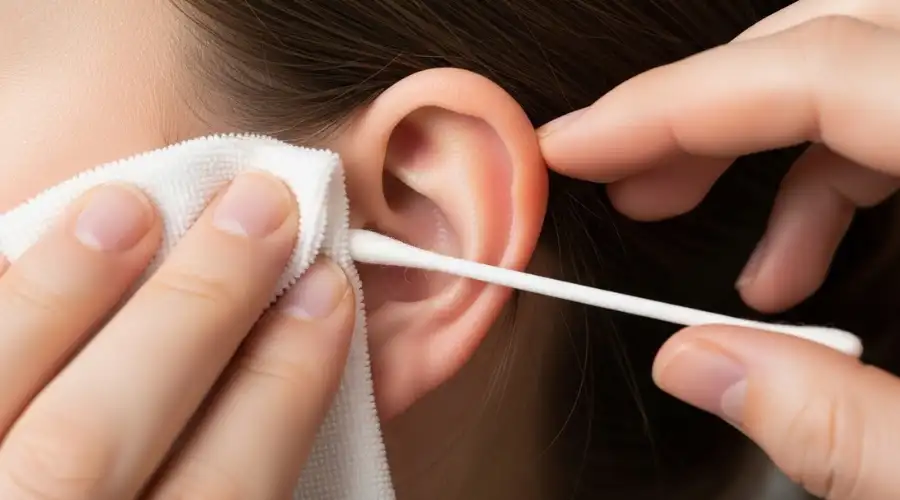
    Proper ear hygiene is essential, but it’s important to avoid damaging your ears in the process. Many people make the mistake of using cotton swabs, hairpins, or other objects to clean inside their ear canal. This can push wax deeper, cause injuries, or lead to infections.

    How to Clean Your Ears Properly:

    • Use a damp cloth to clean the outer ear.
    • Let earwax naturally exit the ear; it acts as a protective barrier against bacteria.
    • If needed, use over-the-counter ear drops or see a professional for safe wax removal.

    Pro Tip: Avoid inserting anything deep into the ear canal it’s one of the easiest ways to prevent damage.

    ➡️Protect Your Ears from Loud Noises

    Exposure to loud sounds is one of the leading causes of hearing loss worldwide. Whether at concerts, using power tools, or listening to music through headphones, excessive noise can permanently damage the delicate hair cells in your inner ear.

    Strategies to Protect Your Hearing:

    • Wear earplugs in noisy environments.
    • Keep headphone volume at 60% or lower and limit listening time.
    • Take breaks from loud activities to give your ears a rest.

    Example: If you’re at a concert with 100 dB noise levels, wearing high-quality earplugs can reduce sound exposure to safe levels without compromising sound quality.

    ➡️Avoid Inserting Foreign Objects

    Beyond cotton swabs, many everyday habits can unintentionally harm your ears. Inserting objects, including pencils, earbuds, or fingernails, can injure the ear canal or eardrum.

    Safe Practices Include:

    • Using only approved ear cleaning tools like ear drops or irrigation kits.
    • Keeping small objects away from children to prevent accidental injury.
    • Being gentle when drying ears after swimming or showering.

    Pro Tip: Always tilt your head to let water naturally drain out after swimming, and gently towel-dry the outer ear. This reduces the risk of swimmer’s ear (external ear infections).

    ➡️Maintain Ear Health Through a Healthy Lifestyle

    Your diet, hydration, and general health can also affect your ear function. Certain nutrients support hearing and prevent age-related hearing decline.

    Nutritional Tips for Healthy Ears:

    • Omega-3 fatty acids: Found in fish, help protect against age-related hearing loss.
    • Vitamins A, C, and E: Support ear health and prevent oxidative stress.
    • Magnesium: Can help reduce noise-induced hearing damage.

    Lifestyle Habits to Support Ear Health:

    • Exercise regularly to maintain proper blood flow to the inner ear.
    • Avoid smoking, which can decrease circulation and increase ear problems.
    • Stay hydrated; fluid balance helps maintain inner ear function.

    Comparison Example: Studies show that people with diets rich in fruits, vegetables, and omega-3s have a lower risk of hearing loss compared to those with poor diets.

    ➡️Schedule Regular Hearing Checkups

    Even with perfect habits, it’s important to monitor your hearing over time. Many ear problems develop slowly, and early detection can prevent long-term damage.

    Recommended Checkup Practices:

    • Adults should have a hearing test at least once every 3 years, or more frequently if exposed to loud environments.
    • Children and seniors should be tested regularly to catch issues early.
    • Seek immediate medical attention if you experience sudden hearing loss, ringing, dizziness, or pain.

    Example: Early treatment for ear infections or fluid buildup can prevent permanent hearing damage and improve overall ear health.

    Frequently Asked Questions (FAQs)

    It’s best to clean only the outer ear regularly with a damp cloth. Avoid inserting objects into the ear canal, as earwax naturally protects your ears. Professional cleaning may be needed only if there is wax buildup.

    Yes. Prolonged exposure to loud sounds can harm inner ear hair cells, leading to permanent hearing loss. Use earplugs in noisy environments and keep headphone volume at safe levels to protect your hearing.

    Seek medical attention if you experience sudden hearing loss, persistent ringing, pain, dizziness, or fluid discharge. Early diagnosis can prevent serious complications and long-term hearing damage.

    Conclusion

    In conclusion, taking care of your ears is crucial for maintaining not only hearing but also overall health and quality of life. The 5 ways to take care of your ears keeping them clean safely, protecting from loud noises, avoiding foreign objects, supporting ear health through lifestyle choices, and scheduling regular checkups provide a comprehensive approach to ear care. By incorporating these habits, you can prevent infections, reduce the risk of hearing loss, and ensure your ears function optimally for years to come. Remember, small daily practices can make a big difference in preserving one of your most important senses.

  • Safe Decibel Levels for Humans | Guide to Protecting Your Hearing Health

    Sound is part of our daily lives conversations, traffic, music, and even nature’s calming tones all create a soundscape we rarely think twice about. But while our ears are designed to tolerate a wide range of sounds, prolonged exposure to noise above safe decibel limits can permanently damage hearing. Understanding safe decibel levels for humans is essential for protecting long-term ear health, especially in a world filled with loud environments, headphones, and high-volume entertainment.

    This guide explains how decibels work, what levels are considered safe, how noise damages the ears, and practical steps for preventing hearing loss. Whether you’re a music lover, a parent, or someone working in a noisy environment, this information can help you make informed decisions about noise exposure.

    Understanding Decibels and How Human Hearing Works

    ➡️What Is a Decibel (dB)?

    A decibel is a unit used to measure sound intensity. The decibel scale is logarithmic, meaning each increase of 10 dB represents a tenfold increase in sound intensity. This is why a small jump in decibels can dramatically increase the risk of hearing damage.

    ➡️How the Ear Responds to Sound

    The human ear contains delicate hair cells inside the cochlea. These cells convert sound vibrations into signals the brain can interpret. Once these cells are damaged by loud noise, they do not regenerate resulting in irreversible hearing loss.

    Safe Decibel Levels for Humans

    ➡️Everyday Sound Levels

    Understanding what common sounds measure helps you gauge your daily exposure:

    • 30 dB – Whispering, quiet library
    • 50–60 dB – Normal conversation
    • 70 dB – Vacuum cleaner, busy street
    • 85 dB – Heavy traffic, noisy restaurant
    • 100 dB+ – Concerts, power tools, loud machinery

    ➡️What Is the Safe Limit?

    Health experts generally agree on these safety thresholds:

    • Up to 70 dB: Safe for unlimited exposure

    Sounds at or below 70 dB are unlikely to cause hearing damage, no matter how long you listen.

    • 70–85 dB: Caution zone

    Long-term exposure over several hours per day may cause hearing strain.

    • 85 dB+: Risk of permanent damage begins

    Exposure to 85 dB for more than 8 hours can damage hearing.
    Every 3 dB increase cuts safe exposure time in half.

    For example:

    • 88 dB – Safe for 4 hours
    • 91 dB – Safe for 2 hours
    • 94 dB – Safe for 1 hour
    • 100 dB – Safe for 15 minutes
    • 110+ dB – Damage can occur in a few seconds

    This is why understanding safe decibel levels for humans is crucial for preventing noise-induced hearing loss.

    High-Risk Environments and Activities

    ➡️Headphones and Earphones

    Many people unknowingly expose themselves to 100 dB+ through headphones. At this level, listening for more than 15 minutes increases the risk of permanent hearing damage.

    ➡️Concerts and Nightclubs

    Live concerts typically reach 100–120 dB. Without ear protection, hearing can be harmed in minutes.

    ➡️Workplaces with Machinery

    Construction sites, factories, and airports often exceed safe decibel limits. Workers in these environments are at high risk of long-term damage.

    ➡️Daily Urban Noise

    Even everyday sounds like traffic or public transport can accumulate enough exposure to affect hearing over time.

    How Loud Noise Harms Hearing

    ➡️Temporary Threshold Shift TTS

    After leaving a loud event, you may notice muffled hearing or ringing in the ears. This temporary shift signals that your ears have been overstressed. While hearing often returns, repeated episodes lead to permanent loss.

    ➡️Permanent Threshold Shift PTS

    Long-term exposure to high decibel levels destroys cochlear hair cells. Because these cells cannot regrow, the resulting hearing loss is permanent.

    ➡️Tinnitus

    Persistent ringing, buzzing, or hissing in the ears is often linked to noise damage. Tinnitus can be temporary or long-lasting.

    How to Protect Yourself | Practical Tips

    ➡️Follow the 60/60 Rule for Headphones

    Listen at no more than 60% volume for no longer than 60 minutes at a time. Many smartphones now display decibel levels in real time use these tools to monitor exposure.

    ➡️Wear Noise-Reducing or Noise-Canceling Ear Protection

    In loud environments, such as concerts or construction sites, use:

    • Earplugs
    • Earmuffs
    • Custom-molded hearing protection

    Even simple foam earplugs can reduce exposure by 15–30 dB.

    ➡️Increase Distance from Loud Sources

    Doubling the distance from a sound source reduces its intensity significantly. Standing farther from speakers at events can protect your ears.

    ➡️Limit Time in Noisy Places

    If you must be in a loud area, take noise breaks. Step outside to allow your ears to recover.

    ➡️Choose Quieter Devices

    Look for appliances labeled quiet operation or low noise. For baby toys, limit items that exceed safe decibel ranges.

    Safe Decibel Levels for Humans | Guidelines for Different Age Groups

    -Children

    Children’s ears are more sensitive because their auditory systems are still developing. Experts recommend keeping levels under 70 dB for them whenever possible.

    -Adults

    Adults can tolerate up to 85 dB for limited periods, but prolonged exposure still carries risk.

    -Elderly Adults

    Age-related hearing decline makes older adults more vulnerable to noise damage. Maintaining low exposure levels can prevent further deterioration.

    Common Signs You Are Exceeding Safe Decibel Levels

    If you experience any of the following, the noise around you may be harmful:

    • Ringing in the ears
    • Difficulty understanding speech
    • Needing to raise your voice to talk
    • Feeling pressure or fullness in the ears
    • Temporary muffled hearing

    These symptoms indicate that your ears are under stress and require a break from noise.

    Frequently Asked Questions (FAQs)

    Sounds below 70 dB are considered safe for continuous, long-term exposure without risk of hearing damage.

    Yes. Sudden sounds above 120–140 dB like fireworks, gunshots, or explosions can cause instantaneous and permanent hearing damage.

    If others can hear your music, or if your phone warns that the volume is high, you’re likely exceeding safe decibel levels. Try lowering the volume until it feels comfortable without overwhelming the ears.

    Conclusion

    In conclusion, understanding safe decibel levels for humans is essential for protecting long-term hearing health. While our ears can tolerate a certain amount of noise, repeated or prolonged exposure to sounds above 85 dB can lead to irreversible hearing loss. By monitoring your daily sound environment, practicing safe listening habits, using proper ear protection, and limiting time spent in loud areas, you can significantly reduce your risk of noise-induced hearing damage. Making small adjustments today ensures healthier hearing and a better quality of life in the future.

  • Decibels Hearing Damage | Safe Levels, Risks & Prevention Guide

    Noise surrounds us every day traffic, music, machinery, conversations, and even household appliances. But while sound is a normal part of life, excessive noise can silently harm your hearing. Many people don’t realize how quickly loud noises can lead to permanent hearing loss. This is where understanding decibels hearing damage becomes essential. By learning how sound levels work, what counts as too loud, and how to protect your ears, you can take simple steps to maintain your long-term hearing health.

    In this comprehensive guide, we break down decibels, safe listening limits, common noise sources, warning signs of damage, and practical ways to keep your hearing safe every day.

    What Are Decibels? Understanding Sound Levels and Impact on Hearing


    ➡️How Decibels Measure Sound

    A decibel (dB) is the unit used to measure sound intensity. Because the scale is logarithmic rather than linear, every 10-decibel increase means the sound is 10 times more intense. For example:

    • 60 dB → normal conversation
    • 70 dB → city traffic
    • 80 dB → 10x louder than conversation
    • 90 dB → 100x louder

    This shows how quickly sound levels can escalate from safe to harmful.

    ➡️Safe vs. Unsafe Decibel Levels

    When discussing decibels hearing damage, knowing the thresholds is crucial:

    • Below 70 dB → Safe for long periods
    • 70–85 dB → Potentially harmful with long exposure
    • 85 dB and above → Can cause hearing damage over time
    • 100 dB and above → Damage can occur in minutes
    • 120 dB+ → Instant hearing harm is possible

    This means that everyday activities like using power tools, attending concerts, or even turning up your headphones can contribute to hearing loss if you’re not careful.

    How Decibels Cause Hearing Damage

    The Biology Behind Noise-Induced Hearing Loss

    Inside your inner ear are tiny, delicate hair cells responsible for converting sound waves into signals the brain understands. When sound is too loud, these cells become overstimulated and can bend or break. Unlike many other cells in the body, they do not regenerate so any damage is permanent.

    Two Types of Noise-Related Damage

    ➡️Temporary Threshold Shift

    • Hearing feels muffled
    • Ringing in the ears
    • Typically occurs after concerts or loud events
    • Often reversible with rest

    ➡️Permanent Hearing Loss

    • Caused by repeated or intense exposure
    • Gradual decline in hearing clarity
    • Irreversible

    Understanding this process is key to preventing decibels hearing damage before it starts.

    Common Decibel Levels of Everyday Sounds

    To better understand noise exposure, here are examples of sound levels:

    • 30 dB – Quiet library
    • 50 dB – Moderate rainfall
    • 60 dB – Normal conversation
    • 70 dB – Vacuum cleaner
    • 85 dB – Heavy traffic or noisy restaurant
    • 90 dB – Power tools
    • 100 dB – Concert, nightclub, sports arena
    • 110 dB – Car horn or rock concert peak
    • 120–130 dB – Sirens or fireworks up close
    • 140 dB+ – Gunshots, jet engines (extreme danger)

    Any consistent exposure above 85 dB may cause hearing damage if protective measures aren’t taken.

    Warning Signs of Hearing Damage from High Decibels

    ➡️Early Symptoms You Shouldn’t Ignore

    Many people overlook early signs of noise-induced hearing loss because the symptoms start subtly. Watch for:

    • Ringing, buzzing, or humming in your ears (tinnitus)
    • Difficulty hearing conversations in crowds
    • Needing to increase volume on devices
    • Muffled or distorted sounds
    • Feeling pressure in the ears

    These symptoms are strong indicators of decibels hearing damage and should not be ignored.

    ➡️Who Is Most at Risk?

    Certain groups experience higher exposure to harmful decibel levels, including:

    • Musicians and DJs
    • Construction and factory workers
    • Motorcyclists
    • People who frequently attend concerts
    • Individuals who use earbuds at high volume
    • Firefighters and law enforcement

    Understanding risk levels helps people take appropriate precautions.

    Decibels Hearing Damage in the Workplace

    ➡️Occupational Noise Hazards

    Millions of workers are exposed to dangerous noise levels every day. OSHA guidelines state that prolonged exposure above 85 dB requires hearing protection in workplaces.

    Industries most affected include:

    • Manufacturing
    • Construction
    • Aviation
    • Mining
    • Agriculture
    • Transportation

    Employers are responsible for providing hearing protection, conducting regular noise assessments, and educating workers about the risks.

    ➡️The Importance of Hearing Conservation Programs

    A proper hearing conservation program includes:

    • Routine hearing tests
    • Protective equipment
    • Administrative controls (rotating staff, limiting exposure)
    • Engineering solutions (soundproofing machines)

    Such programs significantly reduce the risk of long-term decibels hearing damage.

    How to Protect Yourself from Dangerous Decibel Levels

    ➡️Use Hearing Protection Devices

    Hearing protection is one of the easiest and most effective ways to prevent damage. Options include:

    • Foam earplugs – Cheap and effective
    • Custom-molded plugs – Perfect for musicians
    • Noise-canceling headphones – Reduce ambient noise
    • Earmuffs – Ideal for high-decibel environments

    ➡️Follow the 60/60 Rule for Headphones

    To avoid damaging your ears through personal listening devices:

    • Listen at 60% volume or less
    • Limit listening sessions to 60 minutes at a time

    ➡️Increase Distance from Loud Sources

    Moving even a few feet away from speakers or engines can significantly reduce sound intensity.

    ➡️Take Regular Breaks from Noise

    Giving your ears rest helps prevent temporary hearing fatigue and long-term injury.

    ➡️Monitor Sound Exposure with Apps

    Several smartphone apps can measure noise levels in real time, helping you stay aware of potentially harmful environments.

    How Long Does It Take for Hearing Damage to Occur?

    Exposure time matters just as much as volume. Here’s how quickly hearing damage can happen:

    • 85 dB – 8 hours
    • 90 dB – 2 hours
    • 95 dB – 1 hour
    • 100 dB – 15 minutes
    • 110 dB – 1 minute
    • 120+ dB – Immediate harm

    Understanding these thresholds is essential to reducing risk.

    Long-Term Consequences of High-Decibel Exposure

    Effects Beyond Hearing Loss

    While hearing loss is the most obvious consequence, prolonged exposure to loud noise can also cause:

    • Chronic tinnitus
    • Stress and fatigue
    • Sleep disturbances
    • Reduced productivity
    • Cardiovascular strain

    Noise pollution is not just an ear issue it affects overall well-being.

    When to Seek Professional Help

    See an audiologist if you experience:

    • Persistent ringing or buzzing
    • Muffled hearing for more than 24 hours
    • Sudden hearing loss
    • Difficulty understanding speech
    • Pain or pressure in the ears

    Early intervention can prevent further decibels hearing damage and preserve remaining hearing.

    Frequently Asked Questions (FAQs)

    Permanent hearing damage can begin at prolonged exposure to 85 decibels or higher, especially if the noise is continuous or repeated over time.

    High-decibel sounds above 100 dB can cause damage within minutes, while sounds over 120 dB may cause immediate harm to the ears.

    Using earplugs, lowering headphone volume, maintaining distance from loud sources, and taking listening breaks are effective ways to protect hearing.

    Conclusion

    In conclusion, understanding how decibel levels impact your hearing is essential for long-term ear health. Noise exposure above 85 dB can gradually damage delicate inner-ear cells, while higher levels can cause harm much faster. By recognizing safe listening limits, using hearing protection, monitoring exposure, and responding to early warning signs, you can significantly reduce the risk of noise-induced hearing loss. Protecting your hearing today ensures clearer, healthier sound experiences for years to come.

  • Physical Health and Aging | Tips for a Strong, Active Life

    Aging is a natural part of life, but it doesn’t have to mean a decline in your physical health. Maintaining physical health and aging well is about proactive choices that support your body and mind. By understanding how your body changes over time and adopting healthy habits, you can enjoy a higher quality of life, increased energy, and reduced risk of chronic diseases.

    In this article, we explore practical ways to improve physical health as you age, covering exercise, nutrition, mental well-being, and preventive healthcare.

    Understanding Physical Health and Aging

    As we grow older, our bodies undergo a variety of changes. Muscle mass decreases, bones become more fragile, metabolism slows, and cardiovascular health may decline. While these changes are natural, lifestyle choices play a significant role in how gracefully we age.

    Key aspects of physical health and aging include:

    • Muscle strength and flexibility: Loss of muscle mass, called sarcopenia, affects mobility and balance. Regular strength training can counteract this.
    • Bone density: Osteoporosis is common in aging adults, increasing the risk of fractures. Calcium, vitamin D, and weight-bearing exercises support bone health.
    • Cardiovascular health: Heart disease risk rises with age, but a heart-healthy diet, regular aerobic activity, and avoiding smoking can reduce this risk.
    • Mental health: Cognitive decline is linked to physical inactivity and poor nutrition. Exercise and social engagement help maintain brain function.

    The Role of Exercise in Healthy Aging

    Physical activity is one of the most important factors in aging healthily. Exercise strengthens the heart, muscles, and bones while improving mood and cognitive function.

    Types of Exercise for Older Adults

    ➡️Aerobic Exercise (Cardio)
    Activities like walking, swimming, and cycling improve heart health, stamina, and circulation. Aim for at least 150 minutes per week of moderate-intensity cardio.

    ➡️Strength Training
    Using resistance bands, weights, or bodyweight exercises helps maintain muscle mass, bone density, and balance. Two to three sessions per week are ideal.

    ➡️Flexibility and Balance Exercises
    Yoga, stretching, and tai chi enhance flexibility, prevent falls, and reduce joint stiffness. Regular practice can significantly improve daily functioning.

    ➡️Functional Fitness
    Exercises that mimic daily activities, such as sit-to-stand movements or carrying groceries, improve independence and overall mobility.

    Tip: Always consult a healthcare professional before starting a new exercise program, especially if you have chronic conditions.

    Nutrition and Physical Health in Aging

    A well-balanced diet is crucial for sustaining physical health as you age. Nutritional needs change with age, requiring more protein, fiber, and essential vitamins.

    Key Nutrients for Aging Adults

    • Protein: Supports muscle maintenance and repair. Sources include lean meats, fish, beans, lentils, and dairy.
    • Calcium and Vitamin D: Essential for strong bones. Dairy, fortified plant milks, leafy greens, and sunlight exposure help meet these needs.
    • Omega-3 Fatty Acids: Promote heart and brain health. Found in fatty fish, walnuts, flaxseeds, and chia seeds.
    • Fiber: Aids digestion and helps manage weight and blood sugar. Whole grains, fruits, vegetables, and legumes are excellent sources.
    • Antioxidants: Reduce inflammation and oxidative stress, protecting cells from aging. Colorful fruits and vegetables, nuts, and green tea are rich in antioxidants.

    Hydration

    Older adults often experience decreased thirst sensation. Drinking adequate water is crucial for metabolism, joint lubrication, and kidney function.

    Preventive Healthcare and Regular Checkups

    Regular medical checkups are essential for early detection and management of age-related health conditions. Preventive care includes:

    • Blood pressure and cholesterol monitoring
    • Bone density scans
    • Cancer screenings (colon, breast, prostate, etc.)
    • Vision and hearing checks
    • Vaccinations (flu, shingles, pneumonia, COVID-19 boosters)

    Early intervention can prevent minor issues from becoming major health problems, helping maintain physical health and independence.

    Lifestyle Habits to Support Healthy Aging

    Beyond exercise and nutrition, several lifestyle habits contribute to overall physical health:

    ➡️Adequate Sleep
    Quality sleep supports recovery, brain function, and hormone regulation. Aim for 7–8 hours per night.

    ➡️Stress Management
    Chronic stress accelerates aging. Meditation, mindfulness, hobbies, and social support are effective stress-relief strategies.

    ➡️Avoiding Harmful Substances
    Limit alcohol, quit smoking, and avoid excessive processed foods to reduce chronic disease risk.

    ➡️Social Engagement
    Staying socially active improves mental health, reduces depression risk, and encourages physical activity.

    ➡️Mental Stimulation
    Reading, puzzles, learning new skills, and engaging conversations help maintain cognitive function.

    Common Challenges in Aging and How to Overcome Them

    Aging brings challenges, but proactive strategies can help overcome them:

    • Joint Pain: Low-impact exercises, stretching, and anti-inflammatory foods can reduce discomfort.
    • Loss of Muscle Mass: Strength training and protein-rich diets help preserve muscles.
    • Fatigue: Balanced nutrition, regular exercise, and proper sleep combat energy decline.
    • Memory Issues: Mental exercises, social engagement, and proper sleep improve cognitive health.

    By addressing these challenges early, you can continue to enjoy an active and fulfilling life.

    Frequently Asked Questions (FAQs)

    Aerobic activity, strength training, flexibility, and balance exercises like walking, yoga, and light weights support mobility, muscle, and bone health.

    A balanced diet with protein, calcium, vitamin D, omega-3s, fiber, and antioxidants helps maintain muscles, bones, heart, and brain health.

    Annual checkups, including blood pressure, cholesterol, bone density, screenings, and vaccinations, help detect and prevent age-related issues.

    Conclusion

    In conclusion, maintaining physical health and aging gracefully is possible with intentional lifestyle choices. Exercise, nutrition, preventive healthcare, and positive habits all play vital roles in supporting strength, mobility, and overall well-being. By understanding how your body changes and adapting your routine accordingly, you can enjoy a longer, healthier, and more independent life. Aging doesn’t mean giving up on physical vitality it means embracing it with knowledge, consistency, and care.

  • Healthy Aging Diet | Best Foods & Nutrition Tips for Lifelong Wellness

    Aging is a natural part of life, but how we age depends heavily on the choices we make especially when it comes to nutrition. A healthy aging diet plays a powerful role in improving energy levels, enhancing immunity, supporting cognitive function, and keeping chronic diseases at bay. While we cannot stop time, we can fuel our bodies with foods that help us stay strong, active, and mentally sharp as the years progress.

    In this comprehensive guide, you’ll learn what a healthy aging diet really looks like, which nutrients matter most, and how simple dietary habits can promote vitality and long-term wellness.

    What Is a Healthy Aging Diet?

    A healthy aging diet is a balanced eating pattern that focuses on nutrient-dense foods to support physical, cognitive, and metabolic health. Unlike restrictive or trendy diets, it emphasizes long-term habits that nourish the whole body.

    Key Principles of a Healthy Aging Diet

    • Rich in whole, unprocessed foods
    • Balanced in macronutrients (proteins, healthy fats, complex carbs)
    • Loaded with vitamins, minerals, antioxidants, and fiber
    • Supports heart, brain, and bone health
    • Easy to maintain daily

    This type of diet is not about cutting out entire food groups it’s about making smarter choices that keep your body functioning at its best.

    The Importance of Nutrition as You Age

    As the body ages, its nutritional needs begin to shift. Metabolism slows, muscle mass decreases, and the risk of chronic health conditions rises. A well-planned healthy aging diet can help counter these changes by:

    • Boosting immunity
    • Supporting muscle strength
    • Improving brain function
    • Balancing hormones
    • Enhancing digestive health
    • Reducing inflammation
    • Maintaining a healthy weight

    Good nutrition becomes more than a lifestyle choice it becomes a key pillar of aging well.

    Essential Components of a Healthy Aging Diet

    ➡️High-Quality Protein for Muscle Health

    Protein becomes increasingly important with age, as muscle naturally declines. Eating sufficient high-quality protein can slow this loss and help maintain mobility.

    Best Protein Sources

    • Skinless poultry
    • Fish (salmon, sardines, trout)
    • Eggs
    • Beans and lentils
    • Greek yogurt
    • Tofu and tempeh

    Aim to include protein at every meal to support muscle repair and energy levels.

    ➡️Antioxidant-Rich Fruits and Vegetables

    Colorful produce forms the foundation of any healthy aging diet. Packed with vitamins, minerals, and antioxidants, fruits and vegetables help combat oxidative stress the main driver of aging.

    Top Picks

    • Berries for brain health
    • Leafy greens for heart and bone support
    • Tomatoes for skin protection
    • Carrots and sweet potatoes for eye health
    • Broccoli and Brussels sprouts for immunity

    Aim for a variety of colors every day to maximize benefits.

    ➡️Healthy Fats for Brain and Heart Wellness

    Healthy fats are essential for aging adults, especially omega-3 fatty acids, which support brain function, reduce inflammation, and promote cardiovascular health.

    Healthy Fat Sources

    • Fatty fish
    • Avocados
    • Nuts and seeds
    • Olive oil
    • Flaxseed and chia seeds

    Replace unhealthy saturated and trans fats with these heart-friendly alternatives.

    ➡️Whole Grains for Digestive and Metabolic Support

    Whole grains provide sustained energy, fiber, and essential nutrients like magnesium and B vitamins.

    Examples Include:

    • Oats
    • Quinoa
    • Whole wheat
    • Brown rice
    • Barley

    They help regulate blood sugar, support gut health, and reduce the risk of chronic disease.

    ➡️Calcium and Vitamin D for Strong Bones

    Bone density decreases with age, increasing the risk of fractures. A healthy aging diet high in calcium and Vitamin D is essential to maintain strong bones.

    Good Sources

    • Dairy products
    • Almonds
    • Fortified plant-based milk
    • Leafy greens
    • Fatty fish
    • Vitamin D supplements (if recommended by a doctor)

    ➡️Hydration | The Forgotten Component of Healthy Aging

    Older adults often experience reduced thirst cues, making dehydration more common. Proper hydration supports digestion, brain function, and skin elasticity.

    Hydration Tips

    • Drink water throughout the day
    • Include water-rich foods (cucumber, oranges, melon)
    • Limit sugary drinks and excessive caffeine

    Staying hydrated is one of the simplest yet most powerful health habits.

    Best Foods to Include in a Healthy Aging Diet

    ➡️Blueberries

    Known for their brain-boosting antioxidants and anti-inflammatory effects.

    ➡️Salmon

    Rich in omega-3s that support heart and cognitive health.

    ➡️Nuts Especially Almonds and Walnuts

    Great for heart health, energy, and longevity.

    ➡️Leafy Greens Spinach, Kale, Collard Greens

    Loaded with vitamins K, A, C, and folate essential for bone and immune support.

    ➡️Legumes

    High in protein, fiber, and nutrients for stable blood sugar.

    ➡️Yogurt

    Supports gut health with probiotics important for overall wellness.

    ➡️Olive Oil

    A powerful anti-inflammatory fat used in Mediterranean-style diets.

    Foods to Limit for Healthy Aging

    A balanced diet requires not only adding healthy foods but also limiting those that can accelerate aging.

    Avoid or Minimize:

    • Processed meats
    • Refined sugar
    • Excessive salt
    • Fried foods
    • Sugary beverages
    • Packaged snacks high in trans fats

    Overconsumption of these foods can lead to obesity, heart disease, and metabolic disorders.

    Healthy Aging Diet Tips for Everyday Life

    ➡️Eat More Home-Cooked Meals

    Cooking at home gives better control over ingredients and portion sizes.

    ➡️Choose Balanced Plate Portions

    Include half a plate of vegetables, a serving of lean protein, and a small portion of whole grains.

    ➡️Add Spices and Herbs

    Turmeric, ginger, garlic, and cinnamon offer anti-inflammatory benefits.

    ➡️Keep Healthy Snacks Available

    Swap chips and sweets for nuts, fruits, or yogurt.

    ➡️Maintain Consistent Meal Times

    Helps regulate metabolism and avoid overeating.

    ➡️Pair Diet With Lifestyle Habits

    Healthy eating works best alongside:

    • Regular physical activity
    • Quality sleep
    • Stress management
    • Adequate sun exposure for Vitamin D

    Sample One-Day Healthy Aging Diet Plan


    ➡️Breakfast

    Oatmeal topped with berries, chia seeds, and a drizzle of honey.

    ➡️Lunch

    Grilled salmon salad with mixed greens, cherry tomatoes, olives, and olive oil dressing.

    ➡️Snack

    A handful of almonds or a cup of Greek yogurt.

    ➡️Dinner

    Quinoa with steamed vegetables and baked chicken.

    ➡️Hydration

    8–10 glasses of water throughout the day.

    Frequently Asked Questions (FAQs)

    It’s a balanced eating plan focused on whole foods, lean proteins, healthy fats, and nutrient-rich fruits and vegetables to support long-term wellness.

    Important nutrients include protein, omega-3s, antioxidants, calcium, vitamin D, fiber, and B vitamins for bone, brain, and immune health.

    Begin by eating more whole foods, reducing processed items, staying hydrated, and choosing balanced meals with protein and healthy fats.

    Conclusion

    In conclusion, a healthy aging diet is one of the most effective ways to support long-term wellness, energy, and vitality. By choosing nutrient-dense foods, staying hydrated, and creating balanced daily meals, you can protect your heart, strengthen your bones, boost cognitive function, and age gracefully. Small, consistent dietary choices made today can have a powerful impact on your overall health in the years to come. If you prioritize smart nutrition now, you pave the way for a stronger, healthier, and more vibrant future.

  • Common Signs of Aging | Early Indicators, Causes & Prevention Tips

    Aging is a natural and unavoidable part of life, yet most people begin noticing changes in their skin and body long before they expect. From fine lines around the eyes to a gradual loss of skin elasticity, the sign of aging can appear in subtle ways that eventually become more visible over time. While aging cannot be stopped, understanding the early indicators can help you take proactive steps toward maintaining healthier, smoother, and more youthful-looking skin.

    This guide explores the most common signs of aging, why they happen, and what you can do to minimize their effects with smart lifestyle and skincare choices.

    What Are the First Signs of Aging?

    The earliest signs of aging can differ from person to person, but dermatologists agree that some changes tend to appear sooner than others. These early indicators often start in your mid-20s to early 30s and continue to progress gradually.

    ➡️Fine Lines and Expression Wrinkles

    Fine lines are often the very first sign of aging. They usually appear around the eyes, mouth, and forehead areas that move the most with expressions such as smiling, squinting, or frowning. Over time, these lines deepen into more noticeable wrinkles as the skin loses collagen and elasticity.

    ➡️Dull or Uneven Skin Tone

    Young skin naturally reflects light better due to higher cell turnover. As aging begins, dead skin cells accumulate more quickly, leading to dullness, uneven texture, and a lack of radiance. Environmental factors such as sun exposure, stress, and pollution accelerate this process.

    ➡️Dryness and Reduced Hydration

    Another early sign of aging is persistent dryness. With time, the skin produces fewer natural oils. This reduction weakens the skin barrier, causing flakiness, rough patches, and increased sensitivity.

    Visible Signs of Aging That Develop Over Time

    As aging continues, the signs become more pronounced. These changes are influenced by genetics, lifestyle, and skincare habits.

    ➡️Wrinkles and Deep Creases

    Deeper wrinkles form when collagen and elastin the proteins responsible for skin firmness gradually break down. These wrinkles can appear on the forehead, around the eyes (crow’s feet), and near the mouth (smile lines).

    ➡️Loss of Skin Elasticity and Sagging

    One of the most noticeable signs of aging is skin sagging. As the skin loses its natural firmness, areas like the jawline, cheeks, and neck begin to sag. This occurs when collagen production slows and the skin’s structural support weakens.

    ➡️Age Spots and Hyperpigmentation

    Dark spots or age spots often appear on areas exposed to the sun, such as the face, hands, and shoulders. These spots form when excess melanin clusters in certain areas due to years of UV exposure.

    ➡️Thinning Skin

    As aging progresses, the skin becomes thinner and more fragile. Veins may become more visible, bruising occurs more easily, and the skin takes longer to heal from minor injuries.

    Signs of Aging Beyond the Skin

    Aging affects more than just appearance. Many internal changes contribute to external signs.

    ➡️Hair Thinning and Graying

    Hair naturally loses pigment over time, leading to graying. Thinning hair and reduced hair density also become more common due to hormonal changes.

    ➡️Changes in Body Composition

    Metabolism slows with age, affecting muscle mass, fat distribution, and overall body shape. These physical shifts may indirectly contribute to signs of aging, such as sagging skin or decreased skin firmness.

    ➡️Vision Changes and Eye Appearance

    Drooping eyelids, puffiness, and dark circles may become more noticeable. A reduction in tear production can also make the eyes look less bright and hydrated.

    What Causes the Signs of Aging?

    Understanding the root causes of aging helps you take targeted action to slow it down.

    ➡️Intrinsic Aging Natural Aging Process

    Intrinsic aging is the body’s natural, biological progression. It includes slow collagen loss, decreased cell turnover, and reduced hormonal activity. These changes happen to everyone, regardless of lifestyle.

    ➡️Extrinsic Aging Environmental Factors

    Extrinsic aging accelerates the aging process and is caused by external influences such as:

    • UV Exposure: The number one cause of premature aging.
    • Pollution: Triggers oxidative stress and inflammation.
    • Smoking: Reduces blood flow and damages collagen fibers.
    • Diet: High sugar and processed foods lead to glycation, weakening the skin.
    • Lack of Sleep & Stress: Disrupt cell repair and increase cortisol.

    ➡️Lifestyle Factors

    Daily habits like hydration, exercise, and skincare routines directly impact how quickly signs of aging appear.

    How to Slow Down the Signs of Aging

    While aging cannot be reversed, many strategies can help reduce its visibility and keep your skin healthy and youthful.

    ➡️Prioritize Sun Protection

    Wearing sunscreen daily is the most effective anti-aging step. Choose a broad-spectrum SPF 30 or higher, and reapply every two hours when outdoors.

    ➡️Build a Consistent Skincare Routine

    A simple yet effective routine can significantly delay the signs of aging:

    • Cleanser: Removes dirt and impurities.
    • Moisturizer: Maintains hydration and strengthens the skin barrier.
    • Retinoids: Boost collagen production and improve texture.
    • Antioxidants (Vitamin C): Protect against free radicals and brighten skin.
    • Hyaluronic Acid: Provides deep hydration.

    ➡️Eat a Nutrient-Rich Diet

    Foods rich in antioxidants, omega-3 fatty acids, and vitamins A, C, and E support skin health. Leafy greens, berries, nuts, seeds, and fish contribute to a youthful appearance.

    ➡️Stay Hydrated

    Proper hydration keeps the skin plump, soft, and elastic. Aim for at least 6–8 glasses of water a day.

    ➡️Get Enough Sleep

    Good sleep allows the body to repair damaged cells, balance hormones, and boost collagen production reducing visible signs of aging.

    ➡️Exercise Regularly

    Exercise improves circulation, oxygen flow, and nutrient delivery to the skin, helping maintain a natural glow.

    ➡️Avoid Smoking and Limit Alcohol

    Smoking accelerates collagen breakdown, while alcohol dehydrates the skin. Reducing these habits minimizes premature aging.

    When to See a Dermatologist

    If signs of aging appear earlier than expected or cause discomfort, a dermatologist can evaluate your skin and recommend treatments such as:

    • Chemical peels
    • Microdermabrasion
    • Laser therapy
    • Dermal fillers
    • Prescription-strength retinoids

    Professional care can complement your at-home routine and enhance long-term results.

    Frequently Asked Questions (FAQs)

    Early signs of aging often include fine lines, dull skin tone, mild dryness, and subtle changes in skin texture. These usually start appearing in the mid-20s to early 30s.

    Consistent sun protection, a balanced skincare routine, healthy eating, regular hydration, quality sleep, and avoiding smoking can significantly slow premature aging.

    While age spots and wrinkles cannot be completely reversed, treatments like retinoids, chemical peels, laser therapy, and targeted skincare products can visibly reduce their appearance.

    Conclusion

    In conclusion, the sign of aging appears gradually, starting with subtle changes like fine lines, dullness, and dryness before progressing to more visible effects such as wrinkles, sagging, and age spots. While aging is a natural process, many internal and external factors can accelerate or delay it. By adopting healthy lifestyle habits, practicing consistent skincare, protecting your skin from UV damage, and seeking professional care when needed, you can maintain a youthful, radiant appearance at any age.

  • HIV Symptoms in Women | Early Signs, Stages & Key Information

    HIV (Human Immunodeficiency Virus) affects millions worldwide, yet many women may not recognize its early symptoms. Understanding HIV symptoms in women is crucial for early diagnosis, effective treatment, and maintaining overall health. Unlike men, women may experience different signs, which can sometimes be subtle or mistaken for common illnesses. This article explores the key symptoms, stages, and considerations women should know about HIV.

    What is HIV and How Does it Affect Women?

    HIV is a virus that attacks the immune system, weakening the body’s ability to fight infections. In women, the virus can present differently than in men due to biological, hormonal, and reproductive system factors. Early recognition of symptoms in women is essential because it allows timely intervention, preventing progression to AIDS (Acquired Immunodeficiency Syndrome).

    Women with HIV may face unique challenges, such as higher risks of certain infections, reproductive complications, and delays in diagnosis due to the subtle nature of early symptoms.

    Early HIV Symptoms in Women

    The early stage of HIV, known as acute HIV infection, typically appears 2–4 weeks after exposure. Symptoms can be mild and are often mistaken for flu or other viral infections. Common early HIV symptoms in women include:

    ➡️Fever and Fatigue

    Persistent low-grade fever and unexplained fatigue are common early signs. Unlike typical tiredness, this fatigue can interfere with daily activities and does not improve with rest.

    ➡️Swollen Lymph Nodes

    Lymph nodes, especially in the neck, armpits, or groin, may become enlarged. This is a result of the immune system responding to the virus.

    ➡️Sore Throat and Headaches

    Mild sore throat, headaches, or body aches can appear in the first few weeks after infection. These symptoms are often mistaken for a common cold.

    ➡️Skin Rashes

    Rashes may appear on the torso, face, or extremities. Unlike typical skin irritations, these rashes may persist or recur.

    ➡️Genital Symptoms

    Women may notice yeast infections, vaginal dryness, or unusual discharge. These symptoms are often overlooked but can indicate immune system compromise.

    Later-Stage HIV Symptoms in Women

    If HIV remains untreated, it progresses to chronic infection and eventually to AIDS. Later-stage symptoms are more severe and impact multiple body systems. Common late-stage HIV symptoms in women include:

    ➡️Weight Loss and Muscle Wasting

    Unexplained weight loss, even with a normal diet, can occur. Muscle wasting may also be noticeable.

    ➡️Persistent Fever and Night Sweats

    High fevers and night sweats that last for weeks are signs of immune system deterioration.

    ➡️Recurrent Infections

    Women may experience frequent infections such as urinary tract infections, pneumonia, tuberculosis, or yeast infections.

    ➡️Neurological Symptoms

    Memory problems, confusion, depression, or peripheral neuropathy (numbness in hands and feet) can appear as HIV affects the nervous system.

    ➡️Gastrointestinal Issues

    Persistent diarrhea, nausea, or stomach cramps may occur due to weakened immunity.

    HIV Symptoms Unique to Women

    Certain HIV-related symptoms are more prominent in women than men. These include:

    • Recurrent vaginal yeast infections: Caused by immune suppression.
    • Menstrual cycle changes: Irregular periods or heavier bleeding can be linked to HIV infection.
    • Pelvic inflammatory disease (PID): Women with HIV may have more severe or frequent PID episodes.

    Recognizing these gender-specific symptoms can lead to earlier testing and care.

    Factors That Affect HIV Symptoms in Women

    Several factors influence how HIV presents in women:

    • Age: Younger women may have stronger immune responses, delaying symptoms.
    • Hormonal changes: Pregnancy, menopause, or hormonal contraceptives can affect immune system responses.
    • Co-existing health conditions: STIs or chronic illnesses can mask or worsen HIV symptoms.

    Understanding these factors helps in identifying HIV symptoms more accurately.

    When to Get Tested for HIV

    Testing is the only way to confirm HIV infection. Women should consider getting tested if they:

    • Have unprotected sex with multiple partners
    • Share needles or other drug paraphernalia
    • Have symptoms consistent with HIV (even mild ones)
    • Are pregnant or planning pregnancy

    Early testing allows access to antiretroviral therapy (ART), which can prevent disease progression, maintain immune health, and reduce the risk of transmission.

    HIV Diagnosis and Treatment

    Once HIV is suspected, a blood test or oral swab can confirm infection. Early diagnosis is crucial because modern treatments can suppress the virus to undetectable levels, enabling a normal lifespan and reducing the risk of passing HIV to others.

    Treatment plans often include:

    • Antiretroviral therapy (ART): Daily medications that control viral replication
    • Regular monitoring: Blood tests to track CD4 count and viral load
    • Lifestyle adjustments: Healthy diet, exercise, and stress management to support immunity

    With consistent treatment, many women live healthy lives and experience minimal symptoms.

    Preventive Measures for Women

    Preventing HIV is always better than treating it. Key preventive measures include:

    • Using condoms consistently during sexual activity
    • Pre-exposure prophylaxis (PrEP): Daily medication for high-risk individuals
    • Avoiding sharing needles or personal items that may carry blood
    • Routine STI screenings to prevent co-infections

    Education and awareness are vital in reducing the risk of HIV transmission among women.

    Frequently Asked Questions (FAQs)

    Early symptoms include fever, fatigue, rashes, swollen lymph nodes, and vaginal infections. Testing is needed for confirmation.

    HIV is diagnosed with blood or oral tests. Early testing helps start treatment promptly.

    Yes, using condoms, PrEP, avoiding needle sharing, and regular STI screenings reduce the risk.

    Conclusion

    In conclusion, recognizing HIV symptoms in women is vital for early diagnosis and effective treatment. Women may experience unique signs, including genital changes, menstrual irregularities, and recurrent infections, in addition to general symptoms like fever, fatigue, and rashes. Early detection through testing and prompt initiation of antiretroviral therapy can significantly improve health outcomes and prevent the progression to AIDS. Awareness, preventive measures, and regular medical check-ups empower women to protect their health and live fulfilling lives despite the risk of HIV.

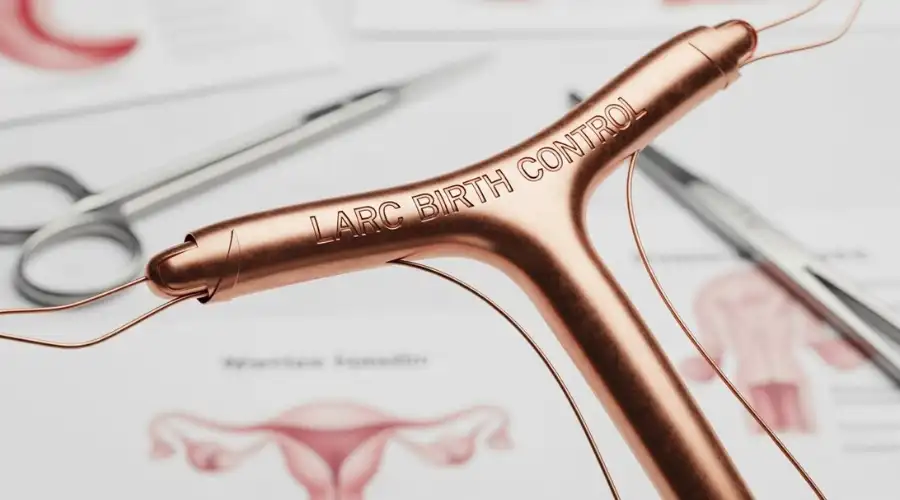
  • LARC Birth Control | A Complete Guide to Long-Acting Contraception

    Choosing the right birth control method can feel overwhelming, especially with so many options available today. For those who want reliable, low-maintenance, and long-term protection against pregnancy, LARC birth control has become one of the most trusted choices. LARC, or Long-Acting Reversible Contraception, includes methods that provide years of protection without requiring daily, weekly, or monthly follow-ups. This makes LARC an ideal solution for people who want highly effective, hassle-free contraception.

    In this comprehensive guide, we’ll explore what LARC birth control is, how it works, the different types available, their benefits and potential side effects, and how to choose the right one for your lifestyle. By the end, you’ll have a clear understanding of why LARC is recommended by many healthcare providers as one of the safest and most effective forms of contraception.

    What Is LARC Birth Control?

    LARC birth control stands for Long-Acting Reversible Contraception. These are birth control methods that:

    • Provide long-term pregnancy prevention (3–10 years depending on type)
    • Are reversible, meaning fertility returns quickly after removal
    • Require little to no maintenance once inserted
    • Are among the most effective forms of contraception available

    LARC methods include IUDs (intrauterine devices) and contraceptive implants. Unlike pills, patches, or condoms, LARC methods work continuously, reducing the chances of mistakes or missed doses.

    Types of LARC Birth Control

    ➡️Hormonal IUDs Levonorgestrel IUD

    Hormonal IUDs release a small amount of progestin into the uterus. This thickens cervical mucus, thins the uterine lining, and may prevent ovulation.

    Popular hormonal IUD brands

    • Mirena
    • Kyleena
    • Skyla
    • Liletta

    How long they last

    Depending on the brand, hormonal IUDs provide protection for 3 to 8 years.

    Who is it best for?

    Women who want lighter periods, reduced menstrual cramps, and long-term reversible birth control.

    ➡️Copper IUD Non-hormonal

    Copper IUDs use copper ions to prevent sperm from fertilizing an egg. They are hormone-free, making them ideal for women who prefer or require non-hormonal contraception.

    Common brand

    • Paragard

    How long it lasts

    Copper IUDs can provide protection for up to 10 years, making them one of the longest-lasting LARC options.

    Who is it best for?

    Anyone seeking long-term, hormone-free birth control with high effectiveness.

    ➡️Contraceptive Implant Nexplanon

    The contraceptive implant is a tiny, flexible rod inserted under the skin of the upper arm. It releases progestin to prevent ovulation and thicken cervical mucus.

    How long it lasts

    The implant provides protection for up to 3 years.

    Who is it best for?

    Individuals wanting a discreet, maintenance-free birth control method without an internal device.

    Effectiveness of LARC Birth Control

    LARC methods are among the most effective forms of birth control, with failure rates of less than 1%. Unlike pills or condoms, LARC does not rely on correct or consistent use, which significantly reduces the risk of unintentional pregnancy.

    Comparison with other methods

    MethodTypical Use Effectiveness
    LARC (IUDs, Implant)>99%
    Birth Control Pill~91%
    Condoms~85%
    Patch/Ring91%
    Withdrawal Method~78%

    Because LARC works in the background without daily effort, it eliminates user error one of the biggest causes of contraceptive failure.

    Benefits of LARC Birth Control

    ➡️Long-Term Protection

    With protection lasting anywhere from 3 to 10 years, LARC methods are ideal for those who want sustained pregnancy prevention without constant attention.

    ➡️Highly Effective

    LARC is over 99% effective, making it one of the most reliable forms of birth control available.

    ➡️Reversible

    Fertility typically returns quickly after removal often within weeks.

    ➡️Low Maintenance

    Once inserted, you don’t need to remember daily pills or schedule frequent refills.

    ➡️Cost-Effective Over Time

    While the initial cost may be higher, LARC is more economical long-term compared to monthly contraceptive expenses.

    ➡️Reduced Menstrual Symptoms with hormonal IUDs

    Many users experience lighter periods, reduced cramps, and even complete period elimination over time.

    Possible Side Effects of LARC Birth Control

    While LARC is safe and widely recommended, some individuals may experience:

    ➡️Hormonal IUD side effects

    • Irregular bleeding
    • Lighter or absent periods
    • Mild cramping after insertion

    ➡️Copper IUD side effects

    • Heavier or longer periods
    • Increased menstrual cramps, especially in the first few months

    ➡️Implant side effects

    • Spotting or irregular bleeding
    • Headaches
    • Breast tenderness

    Most side effects decrease within a few months as the body adjusts. Always discuss symptoms with a healthcare provider if they become bothersome.

    How to Choose the Right LARC Method

    Selecting the right LARC birth control depends on your health, lifestyle, and personal preferences. Here are key considerations:

    ➡️Choose a hormonal IUD if:

    • You prefer lighter or no periods
    • You want long-term protection with hormone support
    • You experience painful periods

    ➡️Choose a copper IUD if:

    • You want hormone-free contraception
    • You prefer long-lasting protection (up to 10 years)

    ➡️Choose the implant if:

    • You want a discreet, non-internal device
    • You prefer something extremely low-maintenance

    A consultation with a healthcare professional can help determine the safest and most suitable method for your needs.

    LARC Birth Control vs. Short-Term Methods

    Many people compare LARC with popular short-term contraceptives like pills, patches, or condoms. Here’s how they differ:

    ➡️Convenience

    • LARC: Insert once, lasts years
    • Pill/patch: Requires daily or weekly attention

    ➡️Effectiveness

    • LARC: >99% effectiveness
    • Condoms: 85% effectiveness with typical use

    ➡️Side Effects

    • LARC: Localized or minimal hormonal impact
    • Pills: Systemic hormones may cause mood shifts or nausea

    ➡️Cost

    • LARC: Higher upfront cost, lower long-term expense
    • Short-term methods: Lower initial cost, ongoing monthly expenses

    Safety of LARC Birth Control

    LARC methods are considered safe for most women, including teens and individuals who have not yet had children. Medical organizations such as ACOG (American College of Obstetricians and Gynecologists) and WHO endorse LARC as a first-line contraceptive option due to its safety and effectiveness.

    However, LARC may not be suitable for individuals with:

    • Certain uterine abnormalities
    • Active pelvic infections
    • Copper allergies (for copper IUDs)

    Always discuss medical history with your provider before choosing a method.

    Getting a LARC Device Inserted

    The insertion process is quick, typically taking just a few minutes at a healthcare clinic.

    What to expect

    • Mild discomfort or cramping during insertion
    • Some spotting or light bleeding afterward
    • Ability to resume normal activities shortly after

    Follow-up visits are rarely needed unless complications occur.

    Frequently Asked Questions (FAQs)

    LARC methods are over 99% effective, making them one of the most reliable forms of contraception available.

    The main types include hormonal IUDs, copper IUDs, and contraceptive implants, each offering long-term pregnancy prevention.

    Yes. LARC is fully reversible, and fertility usually returns soon after removal.

    Conclusion

    In conclusion, LARC birth control provides highly effective, long-term, and reversible contraception for individuals seeking reliable pregnancy prevention. Whether you choose a hormonal IUD, copper IUD, or contraceptive implant, these methods offer convenience, safety, and peace of mind. By understanding their benefits, potential side effects, and differences, you can make an informed choice that fits your lifestyle and reproductive goals. LARC remains one of the best options for those looking for low-maintenance, worry-free birth control.