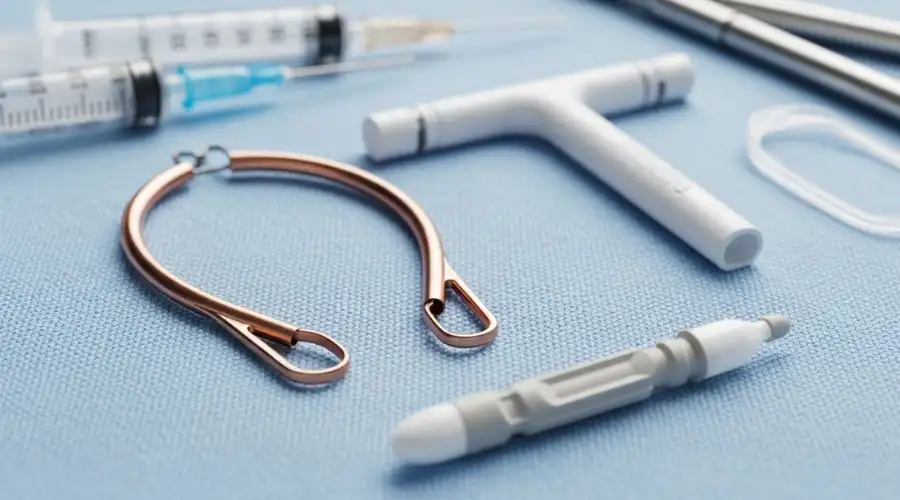
Choosing a dependable birth control method is an important decision for many individuals seeking long-term, stress-free protection. In recent years, LARC contraception, short for Long-Acting Reversible Contraception, has become one of the most trusted and recommended options worldwide. These methods are known for being highly effective, low-maintenance, and easily reversible, making them suitable for a wide range of reproductive needs and lifestyles.
Whether you’re considering switching from daily pills or simply want a reliable contraceptive solution that doesn’t require frequent attention, LARC methods offer impressive benefits. In this comprehensive guide, we explore what LARC contraception is, the different types available, how each method works, and why so many people prefer this form of birth control.
What Is LARC Contraception?
LARC contraception refers to birth control methods that provide long-term pregnancy prevention without requiring daily or frequent user action. Once placed by a healthcare professional, these methods work effectively for several years.
Key Characteristics of LARC Methods
- Long-lasting: Most options remain effective for 3–10 years depending on the type.
- Highly effective: Over 99% effectiveness in preventing pregnancy.
- Reversible: Fertility returns quickly once the device is removed.
- Low maintenance: No daily pills, weekly patches, or monthly injections needed.
These features make LARC contraception one of the most convenient and dependable options for many individuals.
Types of LARC Contraception
LARC contraception includes two major categories:
- Intrauterine Devices (IUDs)
- Contraceptive Implants
Each type has unique benefits and may suit different preferences or health considerations.
➡️IUDs Intrauterine Devices
An IUD is a small, T-shaped device inserted into the uterus by a healthcare professional. It provides long-term contraception and comes in two main forms: hormonal IUDs and copper IUDs.
Hormonal IUDs
Hormonal IUDs release a small amount of progestin, which thickens cervical mucus and may stop ovulation in some users. They usually last 3–8 years, depending on the brand.
Benefits of Hormonal IUDs
- Reduces menstrual cramps
- Lighter periods or no periods at all
- Extremely low failure rate
- Suitable for individuals who want long-term but reversible contraception
Who Should Consider a Hormonal IUD?
Hormonal IUDs may be ideal for individuals with heavy periods, painful cramps, or those who want a low-hormone method that requires minimal upkeep.
Copper IUD
The copper IUD is hormone-free and uses copper to create an environment that prevents sperm from fertilizing an egg. It offers protection for up to 10 years, making it one of the longest-lasting reversible contraceptives.
Benefits of Copper IUDs
- Completely hormone-free
- Can be used as emergency contraception if inserted within 5 days after unprotected sex
- Extremely durable and long-lasting
Who Should Consider a Copper IUD?
This option is great for individuals who prefer a non-hormonal method or those who want a long-term solution with minimal medical follow-ups.
➡️Contraceptive Implants
The contraceptive implant is a small, flexible rod inserted under the skin of the upper arm. It releases a steady, low dose of progestin to prevent pregnancy and typically lasts 3–5 years.
How the Implant Works
- Thickens cervical mucus
- Prevents ovulation
- Changes the uterine lining
Benefits of the Contraceptive Implant
- Highly effective
- Discreet and convenient
- Quickly reversible
- Ideal for those who want to avoid regular contraception management
Who Should Consider the Implant?
The contraceptive implant is suitable for individuals who prefer a method that is completely invisible, easily reversible, and requires almost zero maintenance.
Effectiveness of LARC Contraception
One of the major reasons for the growing popularity of LARC contraception is its exceptional effectiveness.
Why LARC Methods Are Over 99% Effective
Unlike daily pills or methods that rely on perfect timing, LARC contraception eliminates user error. Once inserted, it continues working without any action from the user, making it one of the most dependable forms of contraception available.
Comparing Effectiveness
| Method | Typical Effectiveness |
|---|---|
| LARC (IUDs & Implants) | Over 99% |
| Birth control pill | 91% |
| Condoms | 85% |
| Patch or ring | 91% |
LARC clearly provides superior protection for individuals seeking long-term confidence.
Benefits of LARC Contraception
Beyond effectiveness, LARC methods offer a wide range of advantages that appeal to different lifestyles and reproductive plans.
➡️Long-Term Protection
Most LARC options last several years, reducing stress and allowing users to enjoy continuous protection without regular refills or appointments.
➡️Cost-Effective Over Time
Although initial insertion may cost more, the long-lasting nature makes LARC contraception more affordable in the long run compared to monthly or quarterly methods.
➡️Reversible at Any Time
LARC methods do not affect future fertility. Individuals can choose removal whenever they decide to conceive or switch to another contraceptive option.
➡️Low Maintenance
No daily reminders, alarms, or recurring visits once inserted, LARC works silently and reliably.
➡️Safe and Suitable for Many Users
Most individuals, including adolescents and those who have never given birth, can safely use LARC contraception. Healthcare providers can recommend the best option according to personal health needs.
Potential Side Effects of LARC Contraception
Like all medical methods, LARC contraception may involve some side effects. These effects vary based on whether the device is hormonal or non-hormonal.
➡️Common Side Effects of Hormonal LARC
- Irregular bleeding
- Lighter or absent periods
- Breast tenderness
- Mood changes
➡️Common Side Effects of Copper IUD
- Heavier periods
- Increased cramping
- Spotting between cycles
Most side effects improve after the first few months as the body adjusts to the device.
If side effects persist or feel uncomfortable, users should consult a healthcare professional for guidance or alternative options.
Who Should Consider LARC Contraception?
LARC contraception is suitable for many individuals, especially those who:
- Want long-term pregnancy prevention
- Prefer a low-maintenance method
- Want a reversible solution
- Prefer hormone-free options (copper IUD)
- Experience difficulty remembering daily pills
It’s always best to discuss individual needs with a qualified healthcare provider to determine the safest and most appropriate option.
Frequently Asked Questions (FAQs)
Conclusion
In conclusion, LARC contraception provides one of the most reliable, convenient, and long-lasting options for pregnancy prevention, offering over 99% effectiveness with minimal daily effort. With choices like hormonal IUDs, copper IUDs, and contraceptive implants, individuals can select a method that best aligns with their health needs and lifestyle preferences. These methods are safe, reversible, and suitable for a wide range of users, making them a top recommendation among healthcare providers. By understanding how LARC methods work and their unique benefits, individuals can make confident, informed decisions about their reproductive health.
Leave a Reply