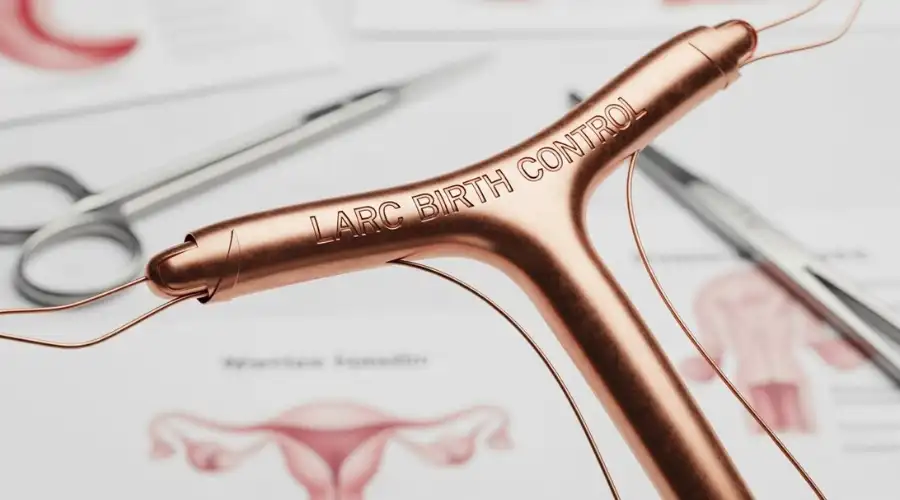
Choosing the right birth control method can feel overwhelming, especially with so many options available today. For those who want reliable, low-maintenance, and long-term protection against pregnancy, LARC birth control has become one of the most trusted choices. LARC, or Long-Acting Reversible Contraception, includes methods that provide years of protection without requiring daily, weekly, or monthly follow-ups. This makes LARC an ideal solution for people who want highly effective, hassle-free contraception.
In this comprehensive guide, we’ll explore what LARC birth control is, how it works, the different types available, their benefits and potential side effects, and how to choose the right one for your lifestyle. By the end, you’ll have a clear understanding of why LARC is recommended by many healthcare providers as one of the safest and most effective forms of contraception.
What Is LARC Birth Control?
LARC birth control stands for Long-Acting Reversible Contraception. These are birth control methods that:
- Provide long-term pregnancy prevention (3–10 years depending on type)
- Are reversible, meaning fertility returns quickly after removal
- Require little to no maintenance once inserted
- Are among the most effective forms of contraception available
LARC methods include IUDs (intrauterine devices) and contraceptive implants. Unlike pills, patches, or condoms, LARC methods work continuously, reducing the chances of mistakes or missed doses.
Types of LARC Birth Control
➡️Hormonal IUDs Levonorgestrel IUD
Hormonal IUDs release a small amount of progestin into the uterus. This thickens cervical mucus, thins the uterine lining, and may prevent ovulation.
Popular hormonal IUD brands
- Mirena
- Kyleena
- Skyla
- Liletta
How long they last
Depending on the brand, hormonal IUDs provide protection for 3 to 8 years.
Who is it best for?
Women who want lighter periods, reduced menstrual cramps, and long-term reversible birth control.
➡️Copper IUD Non-hormonal
Copper IUDs use copper ions to prevent sperm from fertilizing an egg. They are hormone-free, making them ideal for women who prefer or require non-hormonal contraception.
Common brand
- Paragard
How long it lasts
Copper IUDs can provide protection for up to 10 years, making them one of the longest-lasting LARC options.
Who is it best for?
Anyone seeking long-term, hormone-free birth control with high effectiveness.
➡️Contraceptive Implant Nexplanon
The contraceptive implant is a tiny, flexible rod inserted under the skin of the upper arm. It releases progestin to prevent ovulation and thicken cervical mucus.
How long it lasts
The implant provides protection for up to 3 years.
Who is it best for?
Individuals wanting a discreet, maintenance-free birth control method without an internal device.
Effectiveness of LARC Birth Control
LARC methods are among the most effective forms of birth control, with failure rates of less than 1%. Unlike pills or condoms, LARC does not rely on correct or consistent use, which significantly reduces the risk of unintentional pregnancy.
Comparison with other methods
| Method | Typical Use Effectiveness |
|---|---|
| LARC (IUDs, Implant) | >99% |
| Birth Control Pill | ~91% |
| Condoms | ~85% |
| Patch/Ring | 91% |
| Withdrawal Method | ~78% |
Because LARC works in the background without daily effort, it eliminates user error one of the biggest causes of contraceptive failure.
Benefits of LARC Birth Control
➡️Long-Term Protection
With protection lasting anywhere from 3 to 10 years, LARC methods are ideal for those who want sustained pregnancy prevention without constant attention.
➡️Highly Effective
LARC is over 99% effective, making it one of the most reliable forms of birth control available.
➡️Reversible
Fertility typically returns quickly after removal often within weeks.
➡️Low Maintenance
Once inserted, you don’t need to remember daily pills or schedule frequent refills.
➡️Cost-Effective Over Time
While the initial cost may be higher, LARC is more economical long-term compared to monthly contraceptive expenses.
➡️Reduced Menstrual Symptoms with hormonal IUDs
Many users experience lighter periods, reduced cramps, and even complete period elimination over time.
Possible Side Effects of LARC Birth Control
While LARC is safe and widely recommended, some individuals may experience:
➡️Hormonal IUD side effects
- Irregular bleeding
- Lighter or absent periods
- Mild cramping after insertion
➡️Copper IUD side effects
- Heavier or longer periods
- Increased menstrual cramps, especially in the first few months
➡️Implant side effects
- Spotting or irregular bleeding
- Headaches
- Breast tenderness
Most side effects decrease within a few months as the body adjusts. Always discuss symptoms with a healthcare provider if they become bothersome.
How to Choose the Right LARC Method
Selecting the right LARC birth control depends on your health, lifestyle, and personal preferences. Here are key considerations:
➡️Choose a hormonal IUD if:
- You prefer lighter or no periods
- You want long-term protection with hormone support
- You experience painful periods
➡️Choose a copper IUD if:
- You want hormone-free contraception
- You prefer long-lasting protection (up to 10 years)
➡️Choose the implant if:
- You want a discreet, non-internal device
- You prefer something extremely low-maintenance
A consultation with a healthcare professional can help determine the safest and most suitable method for your needs.
LARC Birth Control vs. Short-Term Methods
Many people compare LARC with popular short-term contraceptives like pills, patches, or condoms. Here’s how they differ:
➡️Convenience
- LARC: Insert once, lasts years
- Pill/patch: Requires daily or weekly attention
➡️Effectiveness
- LARC: >99% effectiveness
- Condoms: 85% effectiveness with typical use
➡️Side Effects
- LARC: Localized or minimal hormonal impact
- Pills: Systemic hormones may cause mood shifts or nausea
➡️Cost
- LARC: Higher upfront cost, lower long-term expense
- Short-term methods: Lower initial cost, ongoing monthly expenses
Safety of LARC Birth Control
LARC methods are considered safe for most women, including teens and individuals who have not yet had children. Medical organizations such as ACOG (American College of Obstetricians and Gynecologists) and WHO endorse LARC as a first-line contraceptive option due to its safety and effectiveness.
However, LARC may not be suitable for individuals with:
- Certain uterine abnormalities
- Active pelvic infections
- Copper allergies (for copper IUDs)
Always discuss medical history with your provider before choosing a method.
Getting a LARC Device Inserted
The insertion process is quick, typically taking just a few minutes at a healthcare clinic.
What to expect
- Mild discomfort or cramping during insertion
- Some spotting or light bleeding afterward
- Ability to resume normal activities shortly after
Follow-up visits are rarely needed unless complications occur.
Frequently Asked Questions (FAQs)
Conclusion
In conclusion, LARC birth control provides highly effective, long-term, and reversible contraception for individuals seeking reliable pregnancy prevention. Whether you choose a hormonal IUD, copper IUD, or contraceptive implant, these methods offer convenience, safety, and peace of mind. By understanding their benefits, potential side effects, and differences, you can make an informed choice that fits your lifestyle and reproductive goals. LARC remains one of the best options for those looking for low-maintenance, worry-free birth control.
Leave a Reply