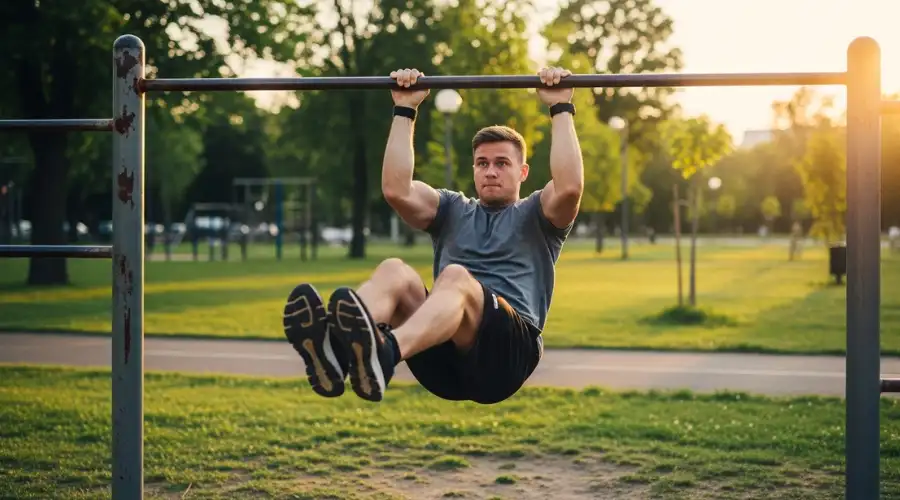
Whether you’re lifting weights, rock climbing, playing tennis, or simply opening a tight jar, grip strength plays a crucial role in your performance and daily activities. A strong grip doesn’t just help you hold on it reflects the power, stability, and endurance of your entire upper body. Unfortunately, many people overlook grip training, focusing instead on bigger muscle groups like the chest or back.
If you’ve ever struggled to maintain your hold on a barbell during deadlifts or felt your forearms fatigue before your biceps, it’s time to prioritize grip strength training. In this guide, we’ll break down how to improve your grip strength, including the best exercises, techniques, and practical tips to help you develop iron-like hands and forearms.
Why Grip Strength Matters
Grip strength isn’t just about having a firm handshake it’s a key indicator of overall muscular and functional health. Research shows that stronger grip strength is linked to improved longevity, better athletic performance, and reduced risk of injury.
Here are a few reasons why grip strength is essential:
- Improved Lifting Performance: Whether you’re a powerlifter, bodybuilder, or casual gym-goer, grip strength enhances your ability to lift heavier weights and perform compound exercises efficiently.
- Better Sports Performance: Sports like climbing, wrestling, golf, and tennis rely heavily on forearm and hand endurance.
- Daily Functionality: Everyday tasks from carrying groceries to manual labor depend on hand strength and endurance.
- Joint Health & Longevity: Stronger grip muscles support wrist and elbow joints, reducing strain and preventing overuse injuries.
Types of Grip Strength
Before learning how to improve your grip strength, it’s important to understand that grip is not one-dimensional. There are three main types of grip strength, and training each one leads to balanced and functional results.
Crush Grip
This is the grip used when squeezing something between your fingers and palm, such as when shaking hands or crushing a stress ball. Exercises like hand grippers and deadlifts target this grip.
Pinch Grip
This involves holding something between your thumb and fingers, without help from your palm like carrying a weight plate. It’s great for developing thumb strength and coordination.
Support Grip
This is your ability to hold onto an object for an extended time, such as hanging from a pull-up bar or holding heavy weights. It’s essential for endurance and overall grip stability.
Best Exercises to Improve Grip Strength
Dead Hangs
How to Do It:
- Hang from a pull-up bar with an overhand grip.
- Keep your arms straight and shoulders engaged.
- Hold as long as possible, aiming for 30–60 seconds.
Benefits:
Dead hangs strengthen your support grip, stretch your shoulders, and improve overall endurance.
Farmer’s Carry Farmer’s Walk
How to Do It:
- Grab a pair of heavy dumbbells or kettlebells.
- Stand tall, engage your core, and walk for 30–40 meters.
- Rest and repeat 3–4 sets.
Benefits:
This functional movement enhances grip endurance, forearm strength, and core stability.
Plate Pinches
How to Do It:
- Hold two smooth weight plates together using just your fingers and thumb.
- Lift them off the floor and hold for 20–30 seconds.
- Repeat for 3–4 sets per hand.
Benefits:
Targets the pinch grip, improving thumb and finger strength, crucial for sports like climbing or martial arts.
Hand Grippers
How to Do It:
- Use a handheld grip strengthener and squeeze as tightly as possible.
- Perform 10–15 reps per set, 2–3 sets daily.
Benefits:
Perfect for crush grip training and can be done anywhere—at your desk, in traffic, or while watching TV.
Towel Pull-Ups or Towel Rows
How to Do It:
- Drape a towel over a pull-up bar and grip both ends.
- Perform pull-ups or rows using the towel.
Benefits:
Increases forearm engagement and mimics the grip endurance needed in grappling or climbing.
Wrist Curls and Reverse Wrist Curls
How to Do It:
- Sit and rest your forearms on a bench or your thighs.
- Use a light barbell or dumbbells to curl your wrists up and down.
- Perform both forward and reverse movements for balance.
Benefits:
Builds forearm size, tendon strength, and wrist stability.
Thick Bar or Fat Grip Training
How to Do It:
- Use thick-handled bars or attach “Fat Gripz” to your dumbbells.
- Perform curls, rows, or presses as usual.
Benefits:
The thicker grip increases muscle activation in your hands and forearms, rapidly improving grip strength.
Tips to Improve Grip Strength Faster
Train Grip Regularly
Incorporate grip work 2–3 times per week. Consistency is key to developing long-term strength and endurance.
Prioritize Form Over Weight
Focus on controlled movement rather than simply lifting heavier weights. Proper technique ensures you’re targeting the right muscles.
Stretch and Recover
Grip muscles can get tight and overworked. Stretch your fingers, wrists, and forearms regularly to prevent stiffness or injury.
Use Chalk Instead of Gloves
Chalk improves friction and helps you maintain a firm grip, whereas gloves can sometimes weaken tactile feedback.
Balance Strength with Mobility
Include mobility drills and soft-tissue work for your wrists and forearms to maintain flexibility.
Gradually Increase Challenge
As your grip improves, increase duration, resistance, or weight to avoid plateaus.
How Long Does It Take to Improve Grip Strength?
Grip strength improvements vary depending on your baseline strength, consistency, and workout intensity. Most people notice significant gains within 4–6 weeks of consistent training. Beginners often see faster progress, while advanced lifters may need more specific variations to continue improving.
Common Mistakes to Avoid
Even the best exercises won’t help if done incorrectly. Avoid these common grip training errors:
- Overtraining: Your forearms and hands contain small muscles that fatigue easily. Allow enough rest between sessions.
- Ignoring Pain: Distinguish between muscle fatigue and sharp pain to prevent injury.
- Neglecting Balance: Focus on both flexors and extensors of the forearm to prevent imbalances.
- Skipping Warm-Ups: A few minutes of wrist rotations and light stretching can prevent strain.
Benefits Beyond Strength
Improving your grip strength offers more than just muscular benefits:
- Enhanced Athletic Performance: From weightlifting to climbing, strong grip equals better results.
- Reduced Injury Risk: Strong forearms and wrists protect tendons and joints from overuse.
- Improved Dexterity: Everyday tasks like writing, typing, or playing instruments become easier.
- Boosted Confidence: There’s something empowering about knowing you can hold onto anything literally and figuratively.
Frequently Asked Questions
Conclusion
In conclusion, improving your grip strength is essential for better performance, injury prevention, and overall functional fitness. By incorporating targeted exercises such as farmer’s carries, dead hangs, and hand grippers into your routine, you can build stronger hands, forearms, and wrists that enhance both athletic ability and everyday tasks. Stay consistent, focus on proper form, and allow adequate recovery to achieve lasting results. A powerful grip not only elevates your training but also reflects true strength and endurance in every movement.
Leave a Reply