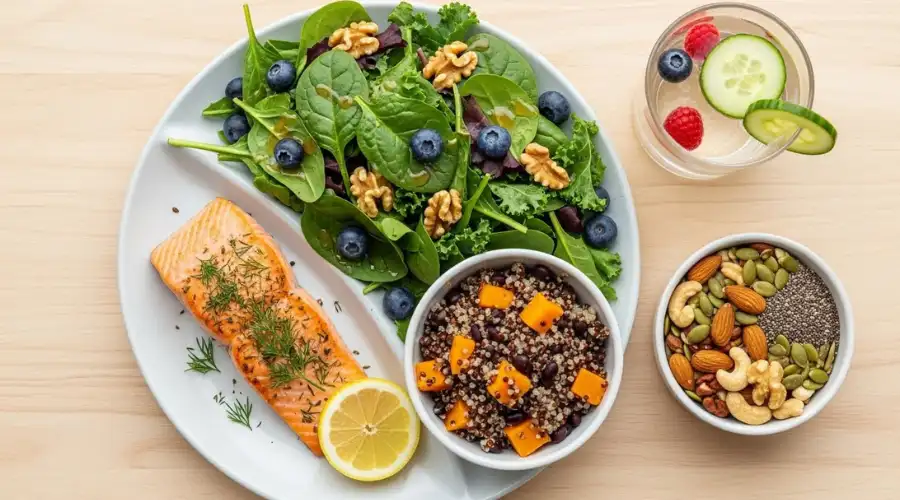
Aging is a natural part of life, but how we age depends heavily on the choices we make especially when it comes to nutrition. A healthy aging diet plays a powerful role in improving energy levels, enhancing immunity, supporting cognitive function, and keeping chronic diseases at bay. While we cannot stop time, we can fuel our bodies with foods that help us stay strong, active, and mentally sharp as the years progress.
In this comprehensive guide, you’ll learn what a healthy aging diet really looks like, which nutrients matter most, and how simple dietary habits can promote vitality and long-term wellness.
What Is a Healthy Aging Diet?
A healthy aging diet is a balanced eating pattern that focuses on nutrient-dense foods to support physical, cognitive, and metabolic health. Unlike restrictive or trendy diets, it emphasizes long-term habits that nourish the whole body.
Key Principles of a Healthy Aging Diet
- Rich in whole, unprocessed foods
- Balanced in macronutrients (proteins, healthy fats, complex carbs)
- Loaded with vitamins, minerals, antioxidants, and fiber
- Supports heart, brain, and bone health
- Easy to maintain daily
This type of diet is not about cutting out entire food groups it’s about making smarter choices that keep your body functioning at its best.
The Importance of Nutrition as You Age
As the body ages, its nutritional needs begin to shift. Metabolism slows, muscle mass decreases, and the risk of chronic health conditions rises. A well-planned healthy aging diet can help counter these changes by:
- Boosting immunity
- Supporting muscle strength
- Improving brain function
- Balancing hormones
- Enhancing digestive health
- Reducing inflammation
- Maintaining a healthy weight
Good nutrition becomes more than a lifestyle choice it becomes a key pillar of aging well.
Essential Components of a Healthy Aging Diet
➡️High-Quality Protein for Muscle Health
Protein becomes increasingly important with age, as muscle naturally declines. Eating sufficient high-quality protein can slow this loss and help maintain mobility.
Best Protein Sources
- Skinless poultry
- Fish (salmon, sardines, trout)
- Eggs
- Beans and lentils
- Greek yogurt
- Tofu and tempeh
Aim to include protein at every meal to support muscle repair and energy levels.
➡️Antioxidant-Rich Fruits and Vegetables
Colorful produce forms the foundation of any healthy aging diet. Packed with vitamins, minerals, and antioxidants, fruits and vegetables help combat oxidative stress the main driver of aging.
Top Picks
- Berries for brain health
- Leafy greens for heart and bone support
- Tomatoes for skin protection
- Carrots and sweet potatoes for eye health
- Broccoli and Brussels sprouts for immunity
Aim for a variety of colors every day to maximize benefits.
➡️Healthy Fats for Brain and Heart Wellness
Healthy fats are essential for aging adults, especially omega-3 fatty acids, which support brain function, reduce inflammation, and promote cardiovascular health.
Healthy Fat Sources
- Fatty fish
- Avocados
- Nuts and seeds
- Olive oil
- Flaxseed and chia seeds
Replace unhealthy saturated and trans fats with these heart-friendly alternatives.
➡️Whole Grains for Digestive and Metabolic Support
Whole grains provide sustained energy, fiber, and essential nutrients like magnesium and B vitamins.
Examples Include:
- Oats
- Quinoa
- Whole wheat
- Brown rice
- Barley
They help regulate blood sugar, support gut health, and reduce the risk of chronic disease.
➡️Calcium and Vitamin D for Strong Bones
Bone density decreases with age, increasing the risk of fractures. A healthy aging diet high in calcium and Vitamin D is essential to maintain strong bones.
Good Sources
- Dairy products
- Almonds
- Fortified plant-based milk
- Leafy greens
- Fatty fish
- Vitamin D supplements (if recommended by a doctor)
➡️Hydration | The Forgotten Component of Healthy Aging
Older adults often experience reduced thirst cues, making dehydration more common. Proper hydration supports digestion, brain function, and skin elasticity.
Hydration Tips
- Drink water throughout the day
- Include water-rich foods (cucumber, oranges, melon)
- Limit sugary drinks and excessive caffeine
Staying hydrated is one of the simplest yet most powerful health habits.
Best Foods to Include in a Healthy Aging Diet
➡️Blueberries
Known for their brain-boosting antioxidants and anti-inflammatory effects.
➡️Salmon
Rich in omega-3s that support heart and cognitive health.
➡️Nuts Especially Almonds and Walnuts
Great for heart health, energy, and longevity.
➡️Leafy Greens Spinach, Kale, Collard Greens
Loaded with vitamins K, A, C, and folate essential for bone and immune support.
➡️Legumes
High in protein, fiber, and nutrients for stable blood sugar.
➡️Yogurt
Supports gut health with probiotics important for overall wellness.
➡️Olive Oil
A powerful anti-inflammatory fat used in Mediterranean-style diets.
Foods to Limit for Healthy Aging
A balanced diet requires not only adding healthy foods but also limiting those that can accelerate aging.
Avoid or Minimize:
- Processed meats
- Refined sugar
- Excessive salt
- Fried foods
- Sugary beverages
- Packaged snacks high in trans fats
Overconsumption of these foods can lead to obesity, heart disease, and metabolic disorders.
Healthy Aging Diet Tips for Everyday Life
➡️Eat More Home-Cooked Meals
Cooking at home gives better control over ingredients and portion sizes.
➡️Choose Balanced Plate Portions
Include half a plate of vegetables, a serving of lean protein, and a small portion of whole grains.
➡️Add Spices and Herbs
Turmeric, ginger, garlic, and cinnamon offer anti-inflammatory benefits.
➡️Keep Healthy Snacks Available
Swap chips and sweets for nuts, fruits, or yogurt.
➡️Maintain Consistent Meal Times
Helps regulate metabolism and avoid overeating.
➡️Pair Diet With Lifestyle Habits
Healthy eating works best alongside:
- Regular physical activity
- Quality sleep
- Stress management
- Adequate sun exposure for Vitamin D
Sample One-Day Healthy Aging Diet Plan
➡️Breakfast
Oatmeal topped with berries, chia seeds, and a drizzle of honey.
➡️Lunch
Grilled salmon salad with mixed greens, cherry tomatoes, olives, and olive oil dressing.
➡️Snack
A handful of almonds or a cup of Greek yogurt.
➡️Dinner
Quinoa with steamed vegetables and baked chicken.
➡️Hydration
8–10 glasses of water throughout the day.
Frequently Asked Questions (FAQs)
Conclusion
In conclusion, a healthy aging diet is one of the most effective ways to support long-term wellness, energy, and vitality. By choosing nutrient-dense foods, staying hydrated, and creating balanced daily meals, you can protect your heart, strengthen your bones, boost cognitive function, and age gracefully. Small, consistent dietary choices made today can have a powerful impact on your overall health in the years to come. If you prioritize smart nutrition now, you pave the way for a stronger, healthier, and more vibrant future.
Leave a Reply