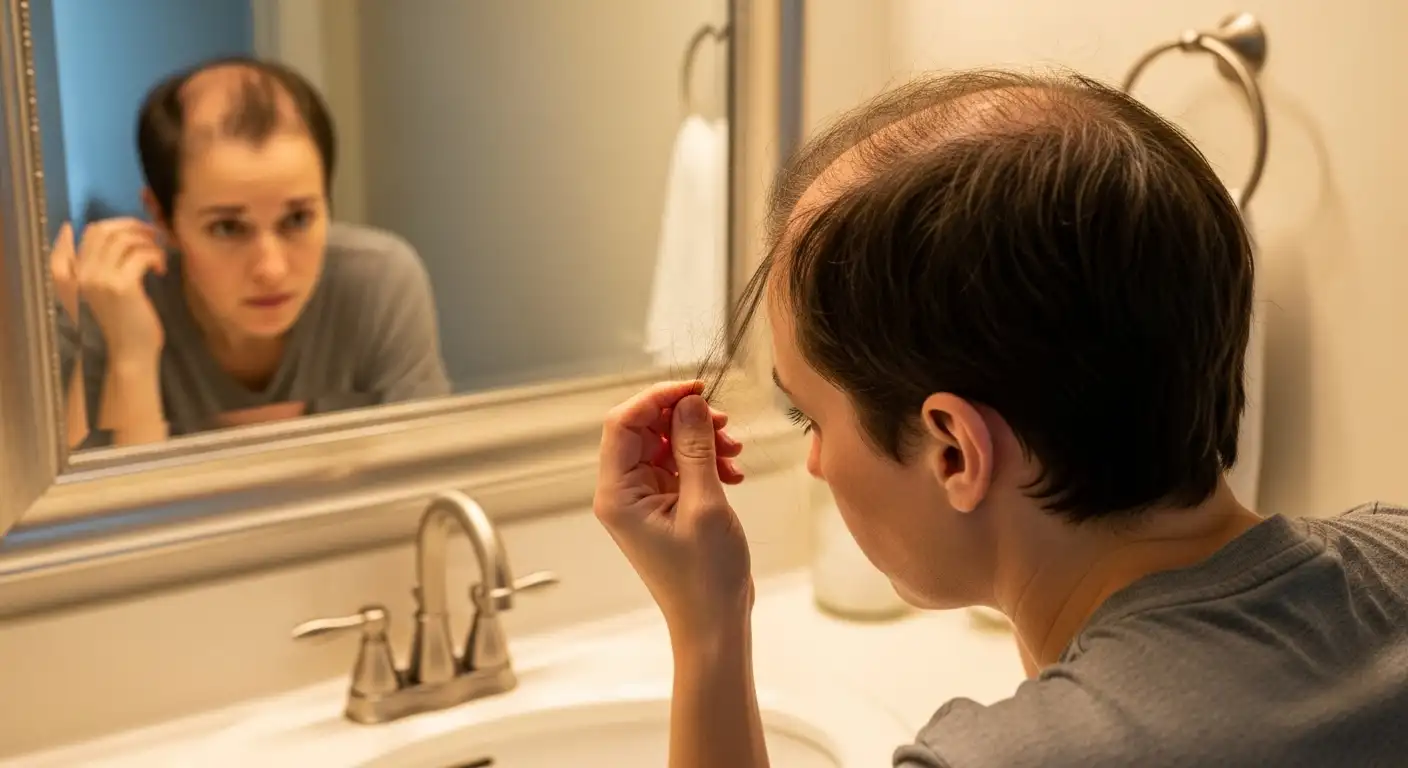
Experiencing hair loss and an itching scalp can be both frustrating and concerning. It’s not just about appearance your scalp health directly impacts your hair growth, comfort, and confidence. From dandruff and dryness to hormonal changes and infections, several factors can cause these issues. The good news? With proper care, understanding, and the right treatments, you can restore balance to your scalp and promote healthy, strong hair.
This article explores the common causes, effective remedies, and professional treatment options for hair loss and an itchy scalp. Whether your symptoms are mild or persistent, the insights below will help you take control of your scalp health.
Understanding Hair Loss and Itching Scalp
Hair loss and itching often go hand in hand because both conditions can result from inflammation, infection, or poor scalp hygiene. The scalp is covered with hair follicles, oil glands, and sensitive skin any disruption can lead to itching, flaking, or shedding.
In mild cases, temporary irritation or dryness may cause these symptoms. However, persistent itching and noticeable thinning could indicate an underlying problem such as fungal infections, seborrheic dermatitis, or autoimmune disorders.
Recognizing what triggers your symptoms is the first step to finding relief and preventing further damage.
Common Causes of Hair Loss and Itching Scalp
➡️Dandruff and Seborrheic Dermatitis
One of the most common causes of scalp itching and mild hair shedding is dandruff, which occurs when the scalp produces excess oil that mixes with dead skin cells. This creates white or yellow flakes that irritate the scalp.
Seborrheic dermatitis is a more severe form of dandruff, leading to red, greasy patches and stubborn itching. When left untreated, constant scratching can weaken hair roots and cause breakage.
Solution: Use an anti-dandruff shampoo containing zinc pyrithione, ketoconazole, or selenium sulfide. Maintaining scalp hygiene and avoiding harsh hair products can also reduce flare-ups.
➡️Dry Scalp and Environmental Factors
Cold weather, low humidity, or frequent hot showers can strip the scalp of its natural oils, leading to dryness and irritation. A dry scalp can cause itching and flaking, which may be mistaken for dandruff.
Solution: Switch to a hydrating shampoo and conditioner. Limit the use of heat styling tools and apply lightweight natural oils, such as argan or coconut oil, to lock in moisture.
➡️Allergic Reactions and Product Buildup
Hair care products like gels, sprays, or dyes can cause allergic reactions or buildup on the scalp. Ingredients such as sulfates, parabens, and artificial fragrances are common irritants.
Solution: Opt for sulfate-free and dermatologist-approved hair products. Regularly exfoliate your scalp using a gentle scrub to remove residue and restore healthy circulation.
➡️Fungal or Bacterial Infections
A fungal infection such as tinea capitis (ringworm of the scalp) can lead to intense itching, scaling, and hair loss in circular patches. Bacterial infections can also inflame hair follicles, resulting in folliculitis.
Solution: Seek medical advice for antifungal or antibacterial treatments. Avoid sharing combs, brushes, or hats to prevent spreading the infection.
➡️Stress and Hormonal Imbalance
Chronic stress and hormonal fluctuations, especially in women, can disrupt the hair growth cycle. Conditions like telogen effluvium cause excessive hair shedding after stress, illness, or pregnancy.
Solution: Incorporate relaxation techniques such as meditation, regular exercise, or yoga. If hormonal imbalance is suspected, consult a healthcare provider for appropriate tests and treatment options.
➡️Nutritional Deficiencies
Lack of essential vitamins and minerals especially iron, zinc, vitamin D, and biotin can lead to weak hair follicles, thinning hair, and scalp irritation.
Solution: Maintain a nutrient-rich diet with foods like eggs, spinach, fish, and nuts. Supplements may be beneficial if recommended by a healthcare professional.
Effective Remedies for Hair Loss and Itching Scalp
➡️Medicated Shampoos and Treatments
Over-the-counter shampoos containing ingredients like ketoconazole, salicylic acid, or coal tar can control itching and flaking while reducing scalp inflammation. Use them two to three times a week for best results.
If symptoms persist, dermatologists may prescribe topical corticosteroids or antifungal creams to target severe conditions like psoriasis or eczema.
➡️Natural Home Remedies
. Aloe Vera Gel
Aloe vera has natural anti-inflammatory and moisturizing properties that soothe an irritated scalp and promote healing. Apply pure aloe vera gel directly to the scalp for 20 minutes before rinsing.
. Tea Tree Oil
Known for its antifungal and antibacterial effects, tea tree oil can help reduce dandruff and scalp infections. Mix a few drops with a carrier oil and massage gently into the scalp.
. Apple Cider Vinegar
Diluted apple cider vinegar balances scalp pH, fights bacteria, and removes buildup. Use it as a rinse after shampooing once a week.
➡️Scalp Massage and Blood Circulation
Regular scalp massages boost blood flow to the follicles, delivering nutrients that strengthen hair roots and encourage growth. Use fingertips or a massage brush with nourishing oils like jojoba or castor oil.
➡️Balanced Hair Care Routine
Avoid washing hair with extremely hot water, and minimize the use of harsh styling products. Allow your scalp to breathe by avoiding tight hairstyles that stress the roots.
➡️Professional Treatments
If home remedies and medicated shampoos don’t help, consider dermatological treatments such as:
- PRP Therapy (Platelet-Rich Plasma): Stimulates hair growth by using your blood’s platelets to repair follicles.
- Laser Therapy: Promotes cell activity in hair follicles to reduce thinning.
- Topical Minoxidil: A clinically proven treatment for hair regrowth.
Always consult a dermatologist before starting any new therapy to ensure safety and effectiveness.
Prevention Tips for a Healthy Scalp
Maintaining scalp health is key to preventing both itching and hair loss. Follow these preventive measures for long-term results:
- Wash regularly but gently: Cleanse your scalp to remove oil and buildup without over-drying it.
- Avoid scratching: It may feel relieving but can damage follicles and worsen inflammation.
- Use mild hair products: Choose products free from alcohol, sulfates, and parabens.
- Stay hydrated and eat balanced meals: Proper nutrition keeps hair and scalp healthy.
- Protect your scalp: Wear hats in the sun and cover your head in cold or dusty environments.
When to See a Doctor
If you notice sudden or excessive hair loss, severe itching, or visible sores, it’s important to consult a dermatologist. Early diagnosis can prevent further damage and help identify underlying issues such as autoimmune diseases, infections, or thyroid disorders.
Frequently Asked Questions (FAQs)
Conclusion
In conclusion, hair loss and an itching scalp often arise from multiple causes such as dandruff, dryness, infections, or hormonal imbalances, but the good news is that these issues can be effectively managed with proper care and treatment. Identifying the root cause, maintaining good scalp hygiene, using the right products, and adopting a healthy lifestyle can significantly improve scalp health and prevent further hair loss. Combining medical advice with natural remedies and balanced nutrition helps soothe irritation, strengthen hair follicles, and restore your scalp’s natural vitality, ensuring long-term comfort and confidence.
Leave a Reply