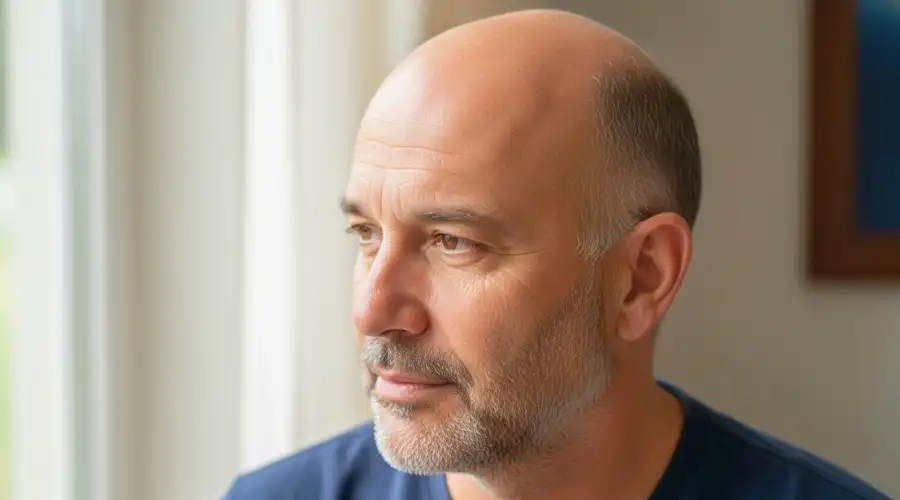
Hair baldness affects millions of people worldwide, impacting self-esteem and confidence. Whether caused by genetics, hormonal changes, or lifestyle factors, hair loss is a common concern that can start at any age. Fortunately, modern hair baldness treatments offer multiple solutions to slow down hair loss, stimulate growth, and restore hair health. In this article, we will explore the most effective treatments, preventive measures, and lifestyle strategies to combat hair baldness naturally and medically.
Understanding Hair Baldness
Hair baldness, also known as alopecia, occurs when hair follicles shrink or stop producing hair. It can manifest as patchy hair loss or gradual thinning across the scalp. The most common type is androgenetic alopecia, often referred to as male or female pattern baldness. Other types include alopecia areata, telogen effluvium, and scarring alopecia, each caused by different factors such as autoimmune conditions, stress, or scalp infections.
Recognizing the type of hair baldness is crucial before starting treatment because the effectiveness of therapies varies depending on the cause.
Medical Hair Baldness Treatments
Medical interventions are often the first line of defense for hair baldness. These treatments are clinically tested and recommended for various degrees of hair loss.
➡️Minoxidil Rogaine
Minoxidil is a widely-used topical solution that stimulates hair follicles and promotes hair growth. It is available over-the-counter and is effective for both men and women. Consistent application is essential, and results typically appear after 3-6 months.
Pros: Easy to apply, non-invasive, clinically proven
Cons: Continuous use required; may cause scalp irritation
➡️Finasteride Propecia
Finasteride is an oral medication primarily for men. It works by blocking the hormone DHT, which causes follicle shrinkage in male pattern baldness. Clinical studies show significant hair regrowth in many users after 6-12 months.
Pros: Effective for stopping hair loss and promoting regrowth
Cons: Prescription-only; possible side effects include sexual dysfunction
➡️Platelet-Rich Plasma (PRP) Therapy
PRP therapy involves injecting concentrated platelets from your blood into the scalp to stimulate hair follicles. This treatment encourages natural hair regrowth and is increasingly popular among patients seeking minimally invasive solutions.
Pros: Natural method using your own blood, minimal downtime
Cons: Requires multiple sessions; results vary among individuals
➡️Hair Transplant Surgery
Hair transplantation is a surgical option for permanent hair restoration. Techniques like Follicular Unit Transplantation (FUT) and Follicular Unit Extraction (FUE) relocate healthy hair follicles to balding areas.
Pros: Permanent results, natural-looking hairline
Cons: Expensive; recovery time required; risk of infection or scarring
Natural Hair Baldness Treatments
For those seeking alternative or complementary solutions, natural remedies can improve hair health and potentially slow hair loss.
➡️Essential Oils and Scalp Massage
Oils like rosemary, peppermint, and lavender can stimulate blood circulation to the scalp. Regular scalp massage with these oils may promote hair growth and strengthen hair follicles.
➡️Nutritional Support
Hair health depends heavily on diet. Key nutrients for hair include:
- Biotin: Strengthens hair and prevents breakage
- Vitamin D: Supports hair follicle cycling
- Zinc and Iron: Prevents hair shedding caused by deficiency
Incorporating leafy greens, nuts, eggs, and lean protein can improve overall hair health.
➡️Lifestyle Adjustments
Chronic stress, poor sleep, and smoking can accelerate hair loss. Mindful practices such as yoga, meditation, and regular exercise can reduce stress-related hair shedding.
Preventive Measures for Hair Baldness
Prevention is often more effective than treatment. Healthy hair practices can slow down baldness progression:
- Avoid excessive heat styling and chemical treatments.
- Use mild, sulfate-free shampoos to prevent scalp irritation.
- Maintain a balanced diet rich in vitamins and minerals.
- Protect your hair from sun damage and pollution.
Comparing Treatments | Medical vs. Natural
| Treatment Type | Effectiveness | Duration | Cost | Side Effects |
|---|---|---|---|---|
| Minoxidil | Moderate | Ongoing | Low | Scalp irritation |
| Finasteride | High | Ongoing | Medium | Possible sexual side effects |
| PRP Therapy | Moderate-High | Multiple sessions | High | Mild scalp pain, bruising |
| Hair Transplant | High | Permanent | Very High | Infection, scarring |
| Essential Oils | Low-Moderate | Long-term | Low | Rare irritation |
| Nutritional Support | Moderate | Long-term | Low | None if balanced diet |
Frequently Asked Questions (FAQs)
Conclusion
In conclusion, hair baldness treatment offers a variety of options tailored to the severity and cause of hair loss. Medical solutions such as minoxidil, finasteride, PRP therapy, and hair transplant surgery provide effective results, while natural remedies and lifestyle changes support overall hair health. Early diagnosis, consistent treatment, and preventive care can significantly improve outcomes, restore confidence, and maintain healthy hair. By choosing the right approach, anyone experiencing hair loss can take proactive steps toward thicker, healthier hair.
Leave a Reply