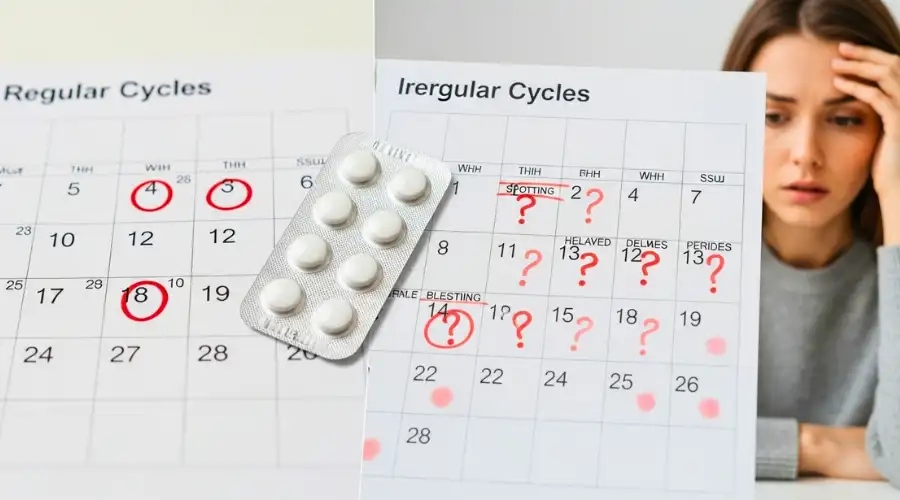
Emergency contraceptive pills (ECPs), commonly known as morning-after pills, are widely used to help prevent pregnancy after unprotected sex or contraceptive failure. Despite their popularity, many women feel concerned or confused about their menstrual changes after taking them. Questions like Will my period come on time?, Why is my bleeding lighter or heavier?, Should I worry if my cycle changes? are extremely common.
This detailed article explains how emergency contraceptive pills affect periods, why menstrual changes happen, how long effects may last, and when it’s best to seek medical advice. Understanding these changes can help reduce unnecessary anxiety and empower you to make informed reproductive choices.
Important: This content is informational only and does not replace professional medical advice. Always consult a healthcare provider for personalized guidance.
Understanding Emergency Contraceptive Pills
Emergency contraceptive pills are classified as backup contraception and not meant for regular use. They work mainly by delaying ovulation so that fertilization cannot occur. Common types of ECPs include:
- Levonorgestrel-based pills (e.g., Plan B-type pills)
- Ulipristal Acetate (e.g., Ella-type pills)
- High-dose hormonal birth control pills used as ECPs (less common and taken under medical advice)
These pills do not terminate an existing pregnancy and do not protect against sexually transmitted infections (STIs).
How Do Emergency Contraceptive Pills Affect Periods?
Hormones play a major role in regulating the menstrual cycle. When additional hormones enter the body, especially in a high single dose, temporary cycle changes are normal. The effects may vary based on:
- The timing of intake within the menstrual cycle
- The pill type and dosage
- Individual hormonal sensitivity
- Stress, anxiety, or sleep changes after intake
Some may notice minor changes, while others may experience more noticeable shifts. Both can be normal.
Expected Menstrual Changes After Taking ECPs
➡️Period May Come Earlier
Some women experience early bleeding or spotting within a few days after taking the pill. If ovulation is delayed or disrupted, the uterine lining may respond differently, causing earlier menstruation.
➡️Period May Be Delayed
A slight delay of a few days to one week is common. In some cases, the cycle may extend up to 10–14 days beyond the expected date. Taking ECPs close to ovulation often results in a delayed period.
➡️Changes in Flow Intensity
Menstrual flow can temporarily change, including:
- Lighter than usual
- Heavier bleeding
- Irregular or intermittent spotting
These variations are generally due to hormonal imbalance, not long-term health problems.
➡️Changes in Period Duration
Your period may last shorter or longer than usual, including:
- Brief spotting instead of a full period
- A heavier and longer cycle due to hormone withdrawal
Again, this is usually temporary.
Emergency Contraceptive Pills and Spotting
Spotting is common and may occur:
- A few days after pill intake
- As a result of early uterine lining shedding
- Because ovulation timing has shifted
Spotting does not always confirm period arrival. A full cycle may still come later.
How Long Do Period Changes Last?
In most cases, menstrual patterns return to normal within one full cycle, though some may take two cycles to stabilize. If cycles continue to remain irregular beyond two months, consulting a healthcare provider is advisable.
When to Take a Pregnancy Test
Although emergency contraceptive pills are highly effective, they are not 100% guaranteed. You may consider taking a pregnancy test if:
- Your period is more than two weeks late
- Menstrual bleeding is unusually scarce or absent
- You experience pregnancy-like symptoms (fatigue, nausea, breast tenderness)
- You had another unprotected encounter after taking the pill
A home pregnancy test can be taken after the missed period for best accuracy.
Factors That Influence Menstrual Effect
The effect on periods may differ based on:
| Influencing Factor | Possible Impact |
|---|---|
| Timing in cycle | Delayed or early periods |
| Pill type | Varies hormone strength |
| Body metabolism | Faster or slower response |
| Stress or anxiety | Additional cycle delay |
| Existing hormone issues | Irregular patterns |
This is why experiences differ greatly among users.
Should You Be Worried About the Changes?
Minor changes are expected and normal, and in most cases, there’s no long-term effect on fertility or health. Emergency contraceptives do not cause permanent menstrual damage or infertility.
However, repeated frequent use may disturb hormonal balance and cause ongoing menstrual inconsistency. They are recommended only for emergency situations not routine contraception.
How to Manage Anxiety While Waiting for Your Period
Here are helpful tips to ease worry:
- Track your cycle using a mobile app
- Practice relaxation techniques: deep breathing, yoga, light walks
- Avoid frequent unnecessary testing
- Maintain regular sleep and hydration
Worrying too much can itself delay your period due to stress-related hormonal changes.
When to Seek Medical Attention
Visit a healthcare professional if:
- Your period is more than 2 weeks late
- You experience severe abdominal or pelvic pain
- You notice very heavy blood loss or large clots
- Bleeding lasts beyond 10 days
- You feel faint, dizzy, or weak
- You suspect pregnancy or ectopic pregnancy
Professional evaluation ensures peace of mind and safety.
Frequently Asked Questions (FAQs)
Conclusion
In conclusion, emergency contraceptive pills can temporarily affect periods by causing early, delayed, lighter, heavier, or irregular bleeding due to hormonal changes. These effects usually resolve within one or two cycles and are not considered harmful. However, if menstruation is significantly delayed, symptoms feel unusual, or pregnancy is suspected, it is wise to consult a medical professional. While ECPs are an effective backup, they should not replace regular contraception or ongoing reproductive health planning.
Leave a Reply