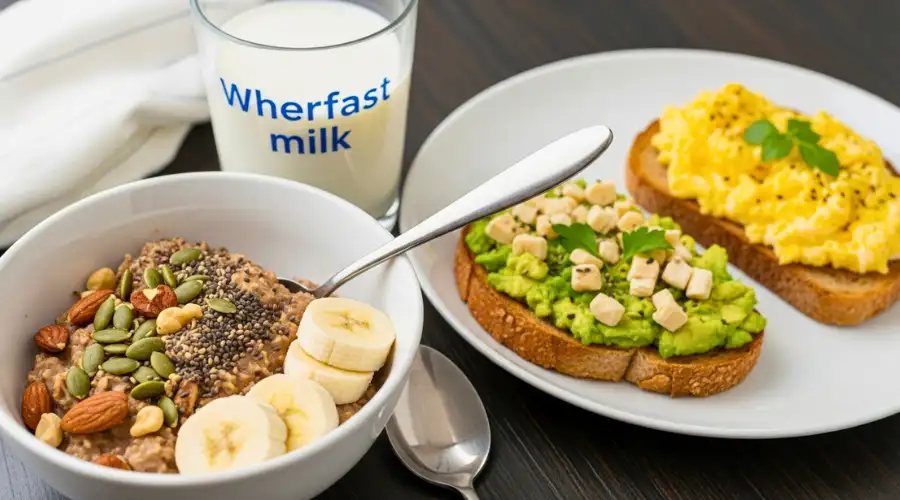
Gaining healthy weight can be just as challenging as losing it. While most people focus on cutting calories, others struggle to add healthy pounds despite eating more. The key lies not in eating anything and everything, but in following a structured, nutritious, and consistent diet plan for weight gain. This guide provides practical strategies, meal suggestions, and expert-backed insights to help you gain weight safely and effectively.
Why Gaining Weight the Right Way Matters
Many people assume that eating fast food and sugary snacks will help them gain weight quickly. However, unhealthy eating leads to fat gain, sluggishness, and increased health risks such as diabetes and heart disease.
The goal should be to build lean muscle and strengthen your body not just add fat. A well-planned diet plan for weight gain focuses on nutrient-dense foods, balanced macronutrients, and proper meal timing.
Understanding Calorie Surplus and Nutrient Balance
➡️The Role of Calories
To gain weight, your body must consume more calories than it burns. This is called a calorie surplus. The average person should aim for a surplus of 300–500 calories per day to ensure steady, healthy weight gain.
However, calories alone don’t define healthy progress. What truly matters is where those calories come from: nutrient-rich foods fuel your body for muscle growth, not just fat storage.
➡️Macronutrient Breakdown
A well-balanced weight gain diet includes:
- Proteins: Essential for building and repairing muscles.
Sources: Chicken, eggs, fish, paneer, tofu, lentils, Greek yogurt. - Carbohydrates: Provide the energy your body needs to train and recover.
Sources: Whole grains, oats, potatoes, brown rice, quinoa. - Healthy Fats: Support hormone production and increase calorie intake.
Sources: Nuts, avocados, olive oil, seeds, and nut butter.
Sample Daily Diet Plan for Weight Gain
Here’s a structured and practical example to help you plan your daily meals. You can adjust portions according to your calorie needs and activity level.
1. Breakfast | Energy Kickstart
- 2 whole eggs + 3 egg whites
- 2 slices of whole-grain toast
- 1 banana or apple
- 1 glass of full-fat milk or a protein shake
Why it works: This breakfast is rich in protein and complex carbs, providing lasting energy and promoting muscle repair after sleep.
2. Mid-Morning Snack | Fuel Between Meals
- Handful of mixed nuts (almonds, walnuts, cashews)
- 1 cup of yogurt with honey
Tip: Snack on calorie-dense yet nutritious options to keep your metabolism active.
3. Lunch | Balanced Nutrient Boost
- 1 cup brown rice or quinoa
- 1 grilled chicken breast or paneer cubes
- Mixed vegetable salad with olive oil dressing
- 1 glass of fresh juice or buttermilk
Why it’s effective: Balanced meals provide protein for muscle recovery and complex carbs for energy.
4. Evening Snack | Pre-Workout or Energy Meal
- Peanut butter sandwich on whole-wheat bread
- 1 banana or smoothie with oats, milk, and peanut butter
Tip: Smoothies are a great way to add extra calories without feeling overly full.
5. Dinner | High-Protein Recovery Meal
- 1 serving of fish, chicken, or tofu
- 1 cup of mashed potatoes or sweet potatoes
- Stir-fried vegetables in olive oil
Why it matters: A protein-rich dinner supports overnight muscle recovery and growth.
6. Before Bed Snack (Optional)
- 1 glass of milk or a handful of nuts
Tip: This small snack provides slow-digesting proteins that prevent muscle breakdown overnight.
Best Foods to Include in a Diet Plan for Weight Gain
Choosing the right foods is crucial for achieving long-term, healthy weight gain. Below are nutrient-dense options that help you build lean muscle mass without unnecessary fat.
➡️Protein-Rich Foods
- Eggs, chicken, turkey, fish, tofu, paneer, lentils, Greek yogurt
- Protein shakes or smoothies for convenience
➡️Calorie-Dense Healthy Fats
- Avocados, nuts, seeds, olive oil, coconut oil, and nut butter
➡️Complex Carbohydrates
- Oats, brown rice, sweet potatoes, quinoa, and whole-grain bread
➡️Dairy Products
- Full-fat milk, cheese, and yogurt provide both protein and healthy fats.
➡️Fruits and Vegetables
- Bananas, mangoes, berries, and leafy greens add vitamins and antioxidants to support metabolism and immunity.
Hydration and Supplement Support
While solid food is the foundation of any diet plan for weight gain, hydration and supplementation also play key roles.
- Stay Hydrated: Dehydration slows digestion and affects appetite. Aim for 8–10 glasses of water daily.
- Supplements (if needed): Protein powders, mass gainers, and creatine can help when it’s difficult to meet calorie needs through food alone. Always consult a nutritionist before adding supplements.
Lifestyle Tips for Healthy Weight Gain
➡️Strength Training
A diet plan for weight gain works best when combined with resistance training. Lifting weights helps convert extra calories into muscle mass rather than fat.
➡️Avoid Junk Food
Fast food may add calories, but it leads to unhealthy fat gain. Choose nutrient-dense foods instead for sustained energy and better health outcomes.
➡️Eat More Frequently
Instead of sticking to three large meals, divide your intake into five to six smaller meals throughout the day. This strategy keeps your metabolism active and increases your calorie intake effortlessly.
➡️Track Your Progress
Use a food journal or a fitness app to track your daily calories and weight gain progress. Gradual improvement of 0.5–1 pound per week is ideal for healthy results.
Common Mistakes to Avoid in a Weight Gain Diet Plan
- Skipping Meals: Missing meals leads to a calorie deficit, which prevents muscle growth.
- Relying on Junk Food: Empty calories add fat, not strength.
- Ignoring Protein Intake: Protein deficiency slows recovery and muscle development.
- Not Exercising: Without exercise, excess calories convert to fat, not muscle.
Expert Advice | Personalizing Your Weight Gain Diet
Each person’s metabolism and activity level are different. A personalized diet plan for weight gain should consider:
- Body Type (Ectomorph, Mesomorph, Endomorph)
- Lifestyle and Workload
- Exercise Frequency
- Caloric Needs
Consulting a dietitian ensures that your meal plan aligns with your goals, whether it’s muscle building, energy improvement, or overall body transformation.
Frequently Asked Questions (FAQs)
Conclusion
A well-balanced diet plan for weight gain focuses on the right mix of calories, proteins, fats, and carbohydrates combined with consistent exercise and healthy lifestyle choices. Avoid shortcuts or unhealthy junk foods that only increase body fat. Instead, nourish your body with nutrient-rich meals, stay active, and maintain discipline. With patience and persistence, you’ll gain healthy weight and achieve a stronger, more confident version of yourself.
Leave a Reply