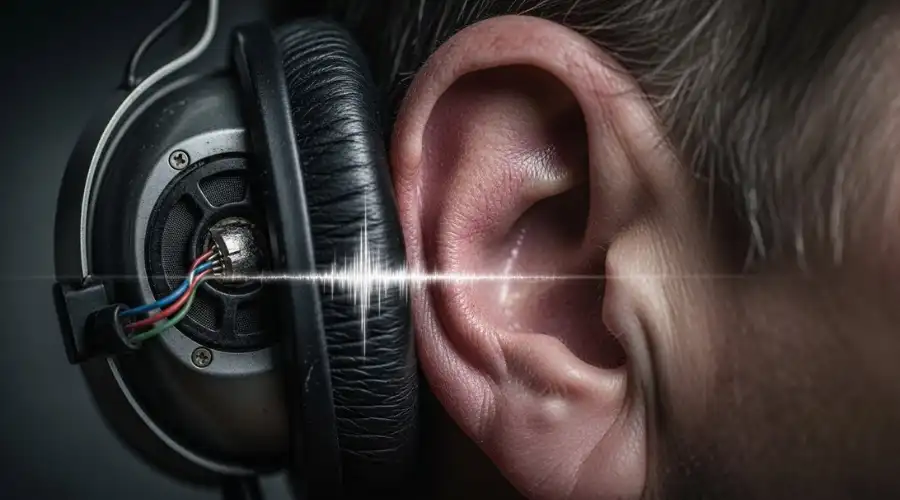
Noise surrounds us every day traffic, music, machinery, conversations, and even household appliances. But while sound is a normal part of life, excessive noise can silently harm your hearing. Many people don’t realize how quickly loud noises can lead to permanent hearing loss. This is where understanding decibels hearing damage becomes essential. By learning how sound levels work, what counts as too loud, and how to protect your ears, you can take simple steps to maintain your long-term hearing health.
In this comprehensive guide, we break down decibels, safe listening limits, common noise sources, warning signs of damage, and practical ways to keep your hearing safe every day.
What Are Decibels? Understanding Sound Levels and Impact on Hearing
➡️How Decibels Measure Sound
A decibel (dB) is the unit used to measure sound intensity. Because the scale is logarithmic rather than linear, every 10-decibel increase means the sound is 10 times more intense. For example:
- 60 dB → normal conversation
- 70 dB → city traffic
- 80 dB → 10x louder than conversation
- 90 dB → 100x louder
This shows how quickly sound levels can escalate from safe to harmful.
➡️Safe vs. Unsafe Decibel Levels
When discussing decibels hearing damage, knowing the thresholds is crucial:
- Below 70 dB → Safe for long periods
- 70–85 dB → Potentially harmful with long exposure
- 85 dB and above → Can cause hearing damage over time
- 100 dB and above → Damage can occur in minutes
- 120 dB+ → Instant hearing harm is possible
This means that everyday activities like using power tools, attending concerts, or even turning up your headphones can contribute to hearing loss if you’re not careful.
How Decibels Cause Hearing Damage
The Biology Behind Noise-Induced Hearing Loss
Inside your inner ear are tiny, delicate hair cells responsible for converting sound waves into signals the brain understands. When sound is too loud, these cells become overstimulated and can bend or break. Unlike many other cells in the body, they do not regenerate so any damage is permanent.
Two Types of Noise-Related Damage
➡️Temporary Threshold Shift
- Hearing feels muffled
- Ringing in the ears
- Typically occurs after concerts or loud events
- Often reversible with rest
➡️Permanent Hearing Loss
- Caused by repeated or intense exposure
- Gradual decline in hearing clarity
- Irreversible
Understanding this process is key to preventing decibels hearing damage before it starts.
Common Decibel Levels of Everyday Sounds
To better understand noise exposure, here are examples of sound levels:
- 30 dB – Quiet library
- 50 dB – Moderate rainfall
- 60 dB – Normal conversation
- 70 dB – Vacuum cleaner
- 85 dB – Heavy traffic or noisy restaurant
- 90 dB – Power tools
- 100 dB – Concert, nightclub, sports arena
- 110 dB – Car horn or rock concert peak
- 120–130 dB – Sirens or fireworks up close
- 140 dB+ – Gunshots, jet engines (extreme danger)
Any consistent exposure above 85 dB may cause hearing damage if protective measures aren’t taken.
Warning Signs of Hearing Damage from High Decibels
➡️Early Symptoms You Shouldn’t Ignore
Many people overlook early signs of noise-induced hearing loss because the symptoms start subtly. Watch for:
- Ringing, buzzing, or humming in your ears (tinnitus)
- Difficulty hearing conversations in crowds
- Needing to increase volume on devices
- Muffled or distorted sounds
- Feeling pressure in the ears
These symptoms are strong indicators of decibels hearing damage and should not be ignored.
➡️Who Is Most at Risk?
Certain groups experience higher exposure to harmful decibel levels, including:
- Musicians and DJs
- Construction and factory workers
- Motorcyclists
- People who frequently attend concerts
- Individuals who use earbuds at high volume
- Firefighters and law enforcement
Understanding risk levels helps people take appropriate precautions.
Decibels Hearing Damage in the Workplace
➡️Occupational Noise Hazards
Millions of workers are exposed to dangerous noise levels every day. OSHA guidelines state that prolonged exposure above 85 dB requires hearing protection in workplaces.
Industries most affected include:
- Manufacturing
- Construction
- Aviation
- Mining
- Agriculture
- Transportation
Employers are responsible for providing hearing protection, conducting regular noise assessments, and educating workers about the risks.
➡️The Importance of Hearing Conservation Programs
A proper hearing conservation program includes:
- Routine hearing tests
- Protective equipment
- Administrative controls (rotating staff, limiting exposure)
- Engineering solutions (soundproofing machines)
Such programs significantly reduce the risk of long-term decibels hearing damage.
How to Protect Yourself from Dangerous Decibel Levels
➡️Use Hearing Protection Devices
Hearing protection is one of the easiest and most effective ways to prevent damage. Options include:
- Foam earplugs – Cheap and effective
- Custom-molded plugs – Perfect for musicians
- Noise-canceling headphones – Reduce ambient noise
- Earmuffs – Ideal for high-decibel environments
➡️Follow the 60/60 Rule for Headphones
To avoid damaging your ears through personal listening devices:
- Listen at 60% volume or less
- Limit listening sessions to 60 minutes at a time
➡️Increase Distance from Loud Sources
Moving even a few feet away from speakers or engines can significantly reduce sound intensity.
➡️Take Regular Breaks from Noise
Giving your ears rest helps prevent temporary hearing fatigue and long-term injury.
➡️Monitor Sound Exposure with Apps
Several smartphone apps can measure noise levels in real time, helping you stay aware of potentially harmful environments.
How Long Does It Take for Hearing Damage to Occur?
Exposure time matters just as much as volume. Here’s how quickly hearing damage can happen:
- 85 dB – 8 hours
- 90 dB – 2 hours
- 95 dB – 1 hour
- 100 dB – 15 minutes
- 110 dB – 1 minute
- 120+ dB – Immediate harm
Understanding these thresholds is essential to reducing risk.
Long-Term Consequences of High-Decibel Exposure
Effects Beyond Hearing Loss
While hearing loss is the most obvious consequence, prolonged exposure to loud noise can also cause:
- Chronic tinnitus
- Stress and fatigue
- Sleep disturbances
- Reduced productivity
- Cardiovascular strain
Noise pollution is not just an ear issue it affects overall well-being.
When to Seek Professional Help
See an audiologist if you experience:
- Persistent ringing or buzzing
- Muffled hearing for more than 24 hours
- Sudden hearing loss
- Difficulty understanding speech
- Pain or pressure in the ears
Early intervention can prevent further decibels hearing damage and preserve remaining hearing.
Frequently Asked Questions (FAQs)
Conclusion
In conclusion, understanding how decibel levels impact your hearing is essential for long-term ear health. Noise exposure above 85 dB can gradually damage delicate inner-ear cells, while higher levels can cause harm much faster. By recognizing safe listening limits, using hearing protection, monitoring exposure, and responding to early warning signs, you can significantly reduce the risk of noise-induced hearing loss. Protecting your hearing today ensures clearer, healthier sound experiences for years to come.
Leave a Reply