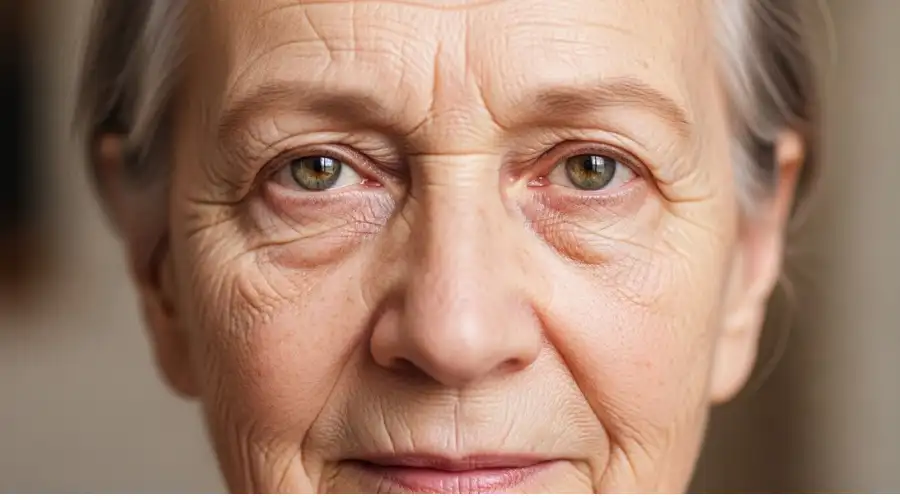
Aging is a natural and unavoidable part of life, yet most people begin noticing changes in their skin and body long before they expect. From fine lines around the eyes to a gradual loss of skin elasticity, the sign of aging can appear in subtle ways that eventually become more visible over time. While aging cannot be stopped, understanding the early indicators can help you take proactive steps toward maintaining healthier, smoother, and more youthful-looking skin.
This guide explores the most common signs of aging, why they happen, and what you can do to minimize their effects with smart lifestyle and skincare choices.
What Are the First Signs of Aging?
The earliest signs of aging can differ from person to person, but dermatologists agree that some changes tend to appear sooner than others. These early indicators often start in your mid-20s to early 30s and continue to progress gradually.
➡️Fine Lines and Expression Wrinkles
Fine lines are often the very first sign of aging. They usually appear around the eyes, mouth, and forehead areas that move the most with expressions such as smiling, squinting, or frowning. Over time, these lines deepen into more noticeable wrinkles as the skin loses collagen and elasticity.
➡️Dull or Uneven Skin Tone
Young skin naturally reflects light better due to higher cell turnover. As aging begins, dead skin cells accumulate more quickly, leading to dullness, uneven texture, and a lack of radiance. Environmental factors such as sun exposure, stress, and pollution accelerate this process.
➡️Dryness and Reduced Hydration
Another early sign of aging is persistent dryness. With time, the skin produces fewer natural oils. This reduction weakens the skin barrier, causing flakiness, rough patches, and increased sensitivity.
Visible Signs of Aging That Develop Over Time
As aging continues, the signs become more pronounced. These changes are influenced by genetics, lifestyle, and skincare habits.
➡️Wrinkles and Deep Creases
Deeper wrinkles form when collagen and elastin the proteins responsible for skin firmness gradually break down. These wrinkles can appear on the forehead, around the eyes (crow’s feet), and near the mouth (smile lines).
➡️Loss of Skin Elasticity and Sagging
One of the most noticeable signs of aging is skin sagging. As the skin loses its natural firmness, areas like the jawline, cheeks, and neck begin to sag. This occurs when collagen production slows and the skin’s structural support weakens.
➡️Age Spots and Hyperpigmentation
Dark spots or age spots often appear on areas exposed to the sun, such as the face, hands, and shoulders. These spots form when excess melanin clusters in certain areas due to years of UV exposure.
➡️Thinning Skin
As aging progresses, the skin becomes thinner and more fragile. Veins may become more visible, bruising occurs more easily, and the skin takes longer to heal from minor injuries.
Signs of Aging Beyond the Skin
Aging affects more than just appearance. Many internal changes contribute to external signs.
➡️Hair Thinning and Graying
Hair naturally loses pigment over time, leading to graying. Thinning hair and reduced hair density also become more common due to hormonal changes.
➡️Changes in Body Composition
Metabolism slows with age, affecting muscle mass, fat distribution, and overall body shape. These physical shifts may indirectly contribute to signs of aging, such as sagging skin or decreased skin firmness.
➡️Vision Changes and Eye Appearance
Drooping eyelids, puffiness, and dark circles may become more noticeable. A reduction in tear production can also make the eyes look less bright and hydrated.
What Causes the Signs of Aging?
Understanding the root causes of aging helps you take targeted action to slow it down.
➡️Intrinsic Aging Natural Aging Process
Intrinsic aging is the body’s natural, biological progression. It includes slow collagen loss, decreased cell turnover, and reduced hormonal activity. These changes happen to everyone, regardless of lifestyle.
➡️Extrinsic Aging Environmental Factors
Extrinsic aging accelerates the aging process and is caused by external influences such as:
- UV Exposure: The number one cause of premature aging.
- Pollution: Triggers oxidative stress and inflammation.
- Smoking: Reduces blood flow and damages collagen fibers.
- Diet: High sugar and processed foods lead to glycation, weakening the skin.
- Lack of Sleep & Stress: Disrupt cell repair and increase cortisol.
➡️Lifestyle Factors
Daily habits like hydration, exercise, and skincare routines directly impact how quickly signs of aging appear.
How to Slow Down the Signs of Aging
While aging cannot be reversed, many strategies can help reduce its visibility and keep your skin healthy and youthful.
➡️Prioritize Sun Protection
Wearing sunscreen daily is the most effective anti-aging step. Choose a broad-spectrum SPF 30 or higher, and reapply every two hours when outdoors.
➡️Build a Consistent Skincare Routine
A simple yet effective routine can significantly delay the signs of aging:
- Cleanser: Removes dirt and impurities.
- Moisturizer: Maintains hydration and strengthens the skin barrier.
- Retinoids: Boost collagen production and improve texture.
- Antioxidants (Vitamin C): Protect against free radicals and brighten skin.
- Hyaluronic Acid: Provides deep hydration.
➡️Eat a Nutrient-Rich Diet
Foods rich in antioxidants, omega-3 fatty acids, and vitamins A, C, and E support skin health. Leafy greens, berries, nuts, seeds, and fish contribute to a youthful appearance.
➡️Stay Hydrated
Proper hydration keeps the skin plump, soft, and elastic. Aim for at least 6–8 glasses of water a day.
➡️Get Enough Sleep
Good sleep allows the body to repair damaged cells, balance hormones, and boost collagen production reducing visible signs of aging.
➡️Exercise Regularly
Exercise improves circulation, oxygen flow, and nutrient delivery to the skin, helping maintain a natural glow.
➡️Avoid Smoking and Limit Alcohol
Smoking accelerates collagen breakdown, while alcohol dehydrates the skin. Reducing these habits minimizes premature aging.
When to See a Dermatologist
If signs of aging appear earlier than expected or cause discomfort, a dermatologist can evaluate your skin and recommend treatments such as:
- Chemical peels
- Microdermabrasion
- Laser therapy
- Dermal fillers
- Prescription-strength retinoids
Professional care can complement your at-home routine and enhance long-term results.
Frequently Asked Questions (FAQs)
Conclusion
In conclusion, the sign of aging appears gradually, starting with subtle changes like fine lines, dullness, and dryness before progressing to more visible effects such as wrinkles, sagging, and age spots. While aging is a natural process, many internal and external factors can accelerate or delay it. By adopting healthy lifestyle habits, practicing consistent skincare, protecting your skin from UV damage, and seeking professional care when needed, you can maintain a youthful, radiant appearance at any age.
Leave a Reply