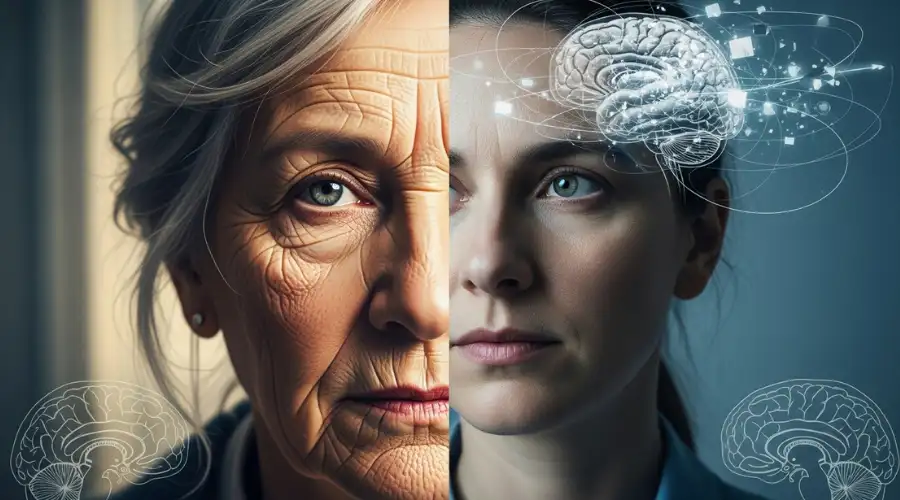
Aging is a natural process that brings wisdom, life experience, and often, a slower pace of life. However, it also comes with challenges, especially regarding mental health. Just as our bodies require care as we age, our minds need attention, understanding, and support. Aging & mental health is a crucial topic because maintaining cognitive and emotional well-being can significantly enhance quality of life in later years.
Understanding the connection between aging and mental health is essential not only for older adults but also for caregivers, family members, and society at large. In this article, we explore the common mental health challenges that come with aging, effective strategies for maintaining mental wellness, and resources to support a healthy mind.
Understanding Mental Health in Older Adults
Mental health in aging is often overlooked. Many assume that feelings of sadness, anxiety, or memory issues are just part of getting older. While age can bring cognitive changes, not all mental health concerns are inevitable.
Common Mental Health Challenges
- Depression: Older adults may experience depression due to factors such as social isolation, chronic illness, or the loss of loved ones. Unlike younger individuals, depression in seniors is sometimes harder to detect and can manifest as irritability, fatigue, or physical complaints.
- Anxiety:Anxiety disorders can develop or persist in later life, triggered by health worries, financial concerns, or fear of losing independence.
- Cognitive Decline:Conditions like dementia and Alzheimer’s disease affect memory, thinking, and behavior. While some cognitive decline is normal, severe impairment is not and requires professional care.
- Loneliness and Social Isolation:As people age, social circles may shrink due to retirement, relocation, or loss of peers. Loneliness is closely linked to depression, anxiety, and even physical health issues.
The Connection Between Physical Health and Mental Wellness
Aging & mental health are deeply intertwined with physical well-being. Chronic illnesses, mobility limitations, and sleep disturbances can negatively impact mood and cognitive function. Conversely, maintaining physical health can improve mental resilience.
Key Factors Linking Physical and Mental Health
- Exercise: Regular physical activity boosts endorphins, reduces stress, and improves sleep quality all of which benefit mental health.
- Nutrition: A balanced diet rich in omega-3 fatty acids, vitamins, and antioxidants supports brain function and may lower the risk of cognitive decline.
- Sleep: Quality sleep is essential for memory consolidation and emotional regulation. Sleep disorders in older adults can exacerbate depression and anxiety.
Strategies to Support Mental Health While Aging
Fostering mental well-being in later life requires proactive strategies. These methods are practical, evidence-based, and adaptable to individual needs.
➡️Stay Socially Connected
Maintaining relationships is vital for emotional health. Join community groups, volunteer, or participate in social clubs. Even digital communication, like video calls, can help reduce feelings of isolation.
➡️Engage in Lifelong Learning
Learning new skills or hobbies stimulates the brain, strengthens memory, and promotes a sense of purpose. Activities like reading, puzzles, or language learning are excellent ways to keep the mind active.
➡️Practice Mindfulness and Stress Reduction
Meditation, yoga, or breathing exercises reduce stress and anxiety. Mindfulness helps seniors remain present, manage negative emotions, and improve overall mental well-being.
➡️Seek Professional Support
Regular mental health checkups are as important as physical health assessments. Therapists, counselors, and psychiatrists can provide strategies and interventions for depression, anxiety, or cognitive concerns.
➡️Promote Cognitive Health
Cognitive stimulation activities like brain games, memory exercises, or problem-solving tasks—help preserve mental agility. Combining cognitive exercises with physical activity produces the best outcomes for brain health.
➡️Address Sleep and Nutrition
Prioritize sleep hygiene by maintaining a consistent routine and a relaxing environment. Nutrition should focus on brain-friendly foods, such as leafy greens, nuts, fatty fish, and whole grains.
The Role of Community and Family Support
Support systems are crucial for healthy aging. Families, friends, and community organizations provide emotional support, practical help, and companionship. Encouraging older adults to stay engaged in social, recreational, and cultural activities can prevent isolation and improve mental resilience.
Moreover, awareness campaigns and senior-friendly programs in communities can help destigmatize mental health issues among older adults.
When to Seek Help
It’s important to recognize when professional intervention is necessary. Signs that someone may need help include:
- Persistent sadness or irritability lasting more than two weeks
- Loss of interest in hobbies or activities
- Trouble with memory, attention, or daily functioning
- Extreme anxiety or panic attacks
- Thoughts of self-harm or hopelessness
Early intervention can prevent mental health problems from worsening and improve overall quality of life.
Aging Gracefully | A Holistic Approach
Aging & mental health cannot be separated from overall lifestyle. A holistic approach integrates physical health, social engagement, mental stimulation, and emotional care. Prioritizing these areas helps older adults maintain independence, resilience, and a sense of purpose.
By embracing mental wellness as a lifelong journey, individuals can experience fulfillment, happiness, and cognitive vitality well into their later years.
Frequently Asked Questions (FAQs)
Conclusion
In conclusion, aging presents both challenges and opportunities for mental health. While older adults may face risks such as depression, anxiety, cognitive decline, and loneliness, proactive steps can make a significant difference. Maintaining social connections, engaging in lifelong learning, practicing mindfulness, prioritizing sleep and nutrition, and seeking professional help when needed are key strategies for supporting mental well-being. By addressing aging & mental health holistically, older adults can enjoy a fulfilling, resilient, and cognitively vibrant life well into their later years.
Leave a Reply