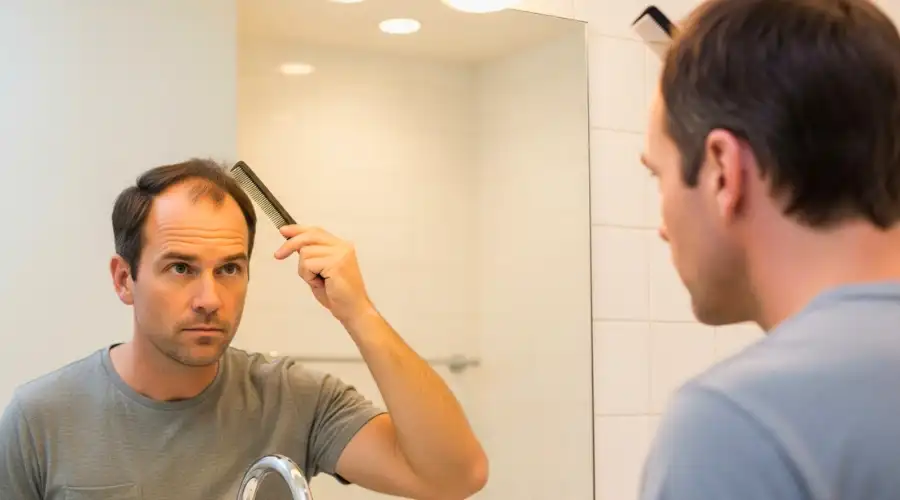
A receding hairline is one of the first visible signs of hair loss, often beginning subtly and progressing over time. It can affect both men and women, though it’s more common among men due to genetic and hormonal factors. Watching your hairline move backward can be distressing impacting self-esteem and confidence. Fortunately, modern science, combined with natural approaches, offers several effective solutions. In this comprehensive guide, we’ll explore the best treatments for receding hairline, from home remedies and lifestyle changes to advanced medical procedures.
Understanding a Receding Hairline
Before diving into treatments, it’s crucial to understand what causes a receding hairline. Typically, it’s a form of androgenetic alopecia (pattern baldness), influenced by genetics and the hormone Dihydrotestosterone (DHT). Over time, DHT shrinks hair follicles, leading to thinner strands and eventually, hair loss.
Common Causes of a Receding Hairline
- Genetics: If baldness runs in your family, you’re more likely to experience it.
- Hormonal Changes: DHT and other hormones can weaken hair follicles.
- Aging: Hair naturally thins as we age, slowing regrowth.
- Stress and Poor Nutrition: Lack of essential nutrients and chronic stress accelerate hair loss.
- Lifestyle Factors: Smoking, lack of sleep, and improper scalp care can contribute to thinning hair.
Effective Medical Treatments for Receding Hairline
➡️Minoxidil Rogaine
One of the most popular treatments for receding hairline, Minoxidil is an FDA-approved topical solution. It promotes blood circulation to the scalp, stimulating dormant follicles to regrow hair. Regular application can lead to noticeable improvement within 3–6 months.
Pros: Easy to apply, affordable, and available over-the-counter.
Cons: Results fade if discontinued, may cause scalp dryness in some users.
➡️Finasteride Propecia
Finasteride is a prescription oral medication that blocks DHT, the hormone responsible for follicle miniaturization. By reducing DHT levels, it helps prevent further hair loss and can encourage regrowth in men.
Pros: Scientifically proven to slow hair loss effectively.
Cons: May cause side effects like decreased libido; not recommended for women.
➡️Low-Level Laser Therapy LLLT
Laser combs, caps, or helmets use red light to improve cellular activity in hair follicles. This non-invasive treatment for receding hairline enhances growth cycles and strengthens hair strands.
Pros: Painless, convenient, and suitable for home use.
Cons: Results take time; devices can be costly.
➡️Platelet-Rich Plasma (PRP) Therapy
PRP therapy involves drawing a small amount of your blood, processing it to concentrate platelets, and injecting it into the scalp. Platelets contain growth factors that boost follicle regeneration and healing.
Pros: Natural, effective, and safe for most individuals.
Cons: Multiple sessions needed; relatively expensive.
➡️Hair Transplant Surgery
For advanced cases, hair transplant is a permanent solution. Surgeons transfer healthy hair follicles from the back or sides of the head to thinning areas, creating a natural-looking hairline.
Pros: Long-lasting, natural results.
Cons: High cost and minor recovery period required.
Natural and Home Remedies for Receding Hairline
If you prefer gentle, chemical-free methods, several natural treatments for receding hairline can support regrowth and improve scalp health.
➡️Scalp Massage
Regularly massaging your scalp improves blood flow and strengthens roots. Using oils such as castor oil, coconut oil, or rosemary oil adds nourishment and promotes thicker hair growth.
➡️Aloe Vera
Aloe vera soothes scalp irritation and helps maintain a healthy pH balance. It can be applied directly to the scalp as a natural conditioner to encourage stronger, shinier hair.
➡️Onion Juice
Rich in sulfur and antioxidants, onion juice helps stimulate collagen production and promote regrowth. Apply it for 15–20 minutes before rinsing to improve hair density over time.
➡️Green Tea Rinse
Green tea contains polyphenols and catechins that reduce DHT levels and boost circulation. Rinsing your scalp with cooled green tea can strengthen hair follicles naturally.
➡️Balanced Nutrition
A nutrient-rich diet supports hair health from within. Ensure adequate intake of:
- Biotin and Zinc: Essential for keratin production.
- Vitamin D and E: Support scalp and follicle health.
- Protein: Strengthens hair strands and prevents breakage.
Lifestyle Changes to Prevent Further Hairline Recession
➡️Reduce Stress
Chronic stress can trigger hormonal imbalances, accelerating hair loss. Practice meditation, yoga, or deep breathing to keep stress levels in check.
➡️Avoid Tight Hairstyles
Constant pulling from ponytails, braids, or buns can lead to traction alopecia a form of hair loss caused by strain on follicles.
➡️Protect Your Scalp
Excessive sun exposure can damage the scalp and weaken follicles. Use hats or UV-protection sprays when spending long hours outdoors.
➡️Use Mild Hair Products
Avoid shampoos and conditioners with harsh chemicals like sulfates and parabens. Opt for gentle, sulfate-free formulas that maintain scalp moisture balance.
➡️Maintain Regular Exercise
Improved blood flow through physical activity nourishes hair follicles and promotes growth.
Emerging Advanced Treatments for Receding Hairline
Science continues to innovate in hair restoration. Some new, promising options include:
➡️Stem Cell Therapy
This procedure uses stem cells to regenerate damaged follicles, encouraging natural growth. It’s currently under research but shows impressive early results.
➡️Microneedling
Microneedling creates tiny punctures in the scalp, promoting collagen production and absorption of growth serums or Minoxidil for better results.
➡️Exosome Therapy
A next-generation PRP alternative, exosome therapy delivers powerful growth signals directly to follicles, accelerating regrowth without surgery.
How to Choose the Right Treatment
Selecting the right treatment for receding hairline depends on factors like age, cause, hair loss pattern, and budget.
Here’s how you can decide:
- Early Stage Hair Loss: Start with Minoxidil or natural remedies.
- Progressive Hair Loss: Combine Minoxidil with Finasteride or PRP therapy.
- Severe Hairline Recession: Consider a hair transplant or advanced laser treatments.
Consulting a dermatologist or trichologist ensures you get a customized plan for lasting results.
Tips for Maintaining a Healthy Hairline
- Wash your scalp regularly to prevent buildup.
- Avoid heat styling and chemical treatments.
- Sleep on a silk pillowcase to reduce friction.
- Stay hydrated and follow a balanced diet.
- Use growth serums or oils as preventive care.
Frequently Asked Questions (FAQs)
Conclusion
In conclusion, finding the best treatment for receding hairline involves understanding your hair loss cause and choosing a suitable combination of medical, natural, and lifestyle approaches. From clinically proven options like Minoxidil and PRP therapy to home-based remedies like scalp massages and aloe vera, numerous solutions can help restore your hairline and confidence. With patience, consistency, and the right care, you can slow down hair loss and even reverse its effects over time.
Leave a Reply