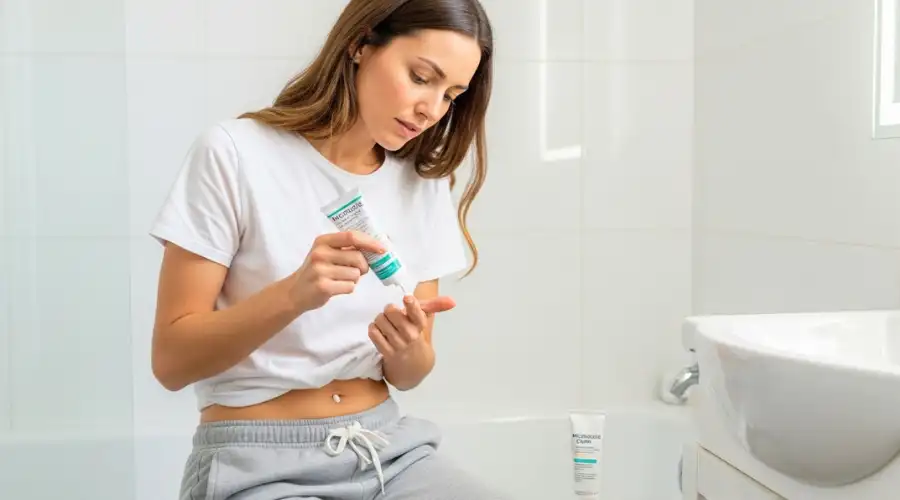
Yeast infections are a common yet uncomfortable health issue that many people experience at some point in their lives. While often associated with women, yeast infections can affect anyone including men and even children. The good news is that yeast infection treatment is usually simple, effective, and can be done with either medical or natural remedies.
In this comprehensive guide, we’ll explore what causes yeast infections, how to recognize the symptoms, the best yeast infection treatments available, and how to prevent them from recurring.
What Is a Yeast Infection?
A yeast infection, also known as candidiasis, is caused by an overgrowth of a fungus called Candida albicans. This fungus naturally lives in our bodies particularly in warm, moist areas like the mouth, gut, skin folds, and genital area. However, when the body’s balance of bacteria and yeast is disrupted, Candida can multiply rapidly, leading to infection.
Common types include:
- Vaginal yeast infection (most common)
- Oral thrush (infection in the mouth or throat)
- Skin yeast infections (under breasts, between thighs, or armpits)
- Penile yeast infection (less common but possible in men)
Common Causes of Yeast Infections
Understanding what causes yeast infections can help in both treatment and prevention. Some common triggers include:
➡️Antibiotic Use
Antibiotics kill not only harmful bacteria but also the good bacteria that help keep yeast under control. This imbalance can lead to fungal overgrowth.
➡️Hormonal Changes
Fluctuations during pregnancy, menstruation, or from birth control pills can create an environment that encourages yeast growth.
➡️Weak Immune System
People with weakened immunity (due to stress, illness, or conditions like diabetes) are more likely to develop yeast infections.
➡️High Sugar Intake
Candida thrives on sugar. Diets high in refined carbs and sweets can promote yeast growth.
➡️Poor Hygiene or Tight Clothing
Wearing tight or non-breathable fabrics can trap moisture, creating a perfect environment for yeast.
Recognizing the Symptoms of a Yeast Infection
Vaginal Yeast Infection Symptoms
- Itching or irritation in the vaginal area
- Thick, white, cottage cheese-like discharge
- Redness or swelling
- Burning sensation during urination or sex
Oral Thrush Symptoms
- White patches inside the mouth or on the tongue
- Soreness or difficulty swallowing
- Cracked corners of the mouth
Skin Yeast Infection Symptoms
- Red, itchy rash in skin folds
- Small pustules or bumps around the edges of the rash
If symptoms are severe or persistent, it’s essential to see a healthcare professional for a proper diagnosis.
Effective Yeast Infection Treatment Options
1. Antifungal Medications
The most common yeast infection treatment involves antifungal medications that target Candida. These can be:
- Topical creams or ointments: Such as clotrimazole or miconazole, available over the counter.
- Oral antifungal pills: Like fluconazole (Diflucan), prescribed for more severe infections.
- Vaginal suppositories or tablets: Inserted into the vagina for direct relief.
These treatments typically work within a few days, but full recovery might take up to a week depending on the severity.
2. Natural Remedies for Yeast Infection Treatment
Some people prefer natural or home remedies, especially for mild cases. Here are a few that may help:
Probiotics
Probiotic supplements or yogurt with live cultures can help restore the natural balance of good bacteria.
Coconut Oil
Coconut oil has antifungal properties. Applying a small amount to affected areas may reduce itching and inflammation.
Tea Tree Oil
Diluted tea tree oil can be applied externally (never directly to sensitive skin). It has strong antifungal effects but should be used cautiously.
Apple Cider Vinegar Baths
Adding a cup of apple cider vinegar to a warm bath may help restore the vagina’s natural pH and fight yeast overgrowth.
3. Medical Consultation and Prescription Treatment
While over-the-counter options work for many, not all yeast infections are the same. Persistent or recurrent infections may require medical evaluation.
A doctor may recommend:
- Stronger antifungal drugs for stubborn infections.
- Lab tests to identify resistant strains of Candida.
- Addressing underlying conditions such as diabetes or immune disorders.
How to Prevent Yeast Infections
Preventing yeast infections involves maintaining a balanced and healthy environment for your body’s microbiome. Follow these tips for long-term prevention:
➡️Maintain Good Hygiene
Keep the genital area clean and dry. Avoid scented soaps, douches, or sprays that can disrupt natural bacteria balance.
➡️Choose Breathable Fabrics
Opt for cotton underwear and loose-fitting clothes to prevent moisture buildup.
➡️Eat a Balanced Diet
Reduce sugar intake and include probiotic-rich foods such as yogurt, kefir, or sauerkraut to support gut health.
➡️Manage Stress
High stress weakens immunity, making infections more likely. Practices like yoga, meditation, and proper sleep can help.
➡️Use Antibiotics Wisely
Only take antibiotics when prescribed and necessary, as they can disrupt natural bacterial balance.
When to See a Doctor
While mild yeast infections can often be treated at home, professional help is crucial if:
- Symptoms persist beyond a week
- Infections recur frequently
- There’s unusual discharge, sores, or a strong odor
- You’re pregnant or have a weakened immune system
Early medical attention can prevent complications and ensure proper treatment.
Myths and Misconceptions About Yeast Infection Treatment
Myth 1: Yeast Infections Only Affect Women
False. Men can also develop yeast infections, particularly under moist conditions or during sexual contact with an infected partner.
Myth 2: You Can Treat All Infections With Home Remedies
While mild cases may respond to natural treatments, chronic or severe infections require professional care.
Myth 3: Yeast Infections Are a Sign of Poor Hygiene
Not necessarily. Even those with excellent hygiene can get yeast infections due to hormonal or immune changes.
Lifestyle Changes to Support Yeast Infection Recovery
In addition to treatment, lifestyle adjustments can speed up recovery and reduce recurrence:
- Stay hydrated: Water helps flush toxins and supports healthy body functions.
- Avoid tight clothing: Especially during recovery.
- Boost immunity: Include vitamins C and D, and zinc in your diet.
- Avoid sugar and processed foods: They can feed yeast growth.
Frequently Asked Questions (FAQs)
Conclusion
In conclusion, yeast infection treatment is simple and effective when addressed early with the right approach. Whether you choose antifungal medications or natural remedies, consistency and good hygiene are key to fast recovery and long-term prevention. Maintaining a healthy lifestyle, eating a balanced diet, and managing stress can also help prevent future infections. If symptoms persist or recur, consult a healthcare professional to identify underlying causes and ensure proper treatment.
Leave a Reply