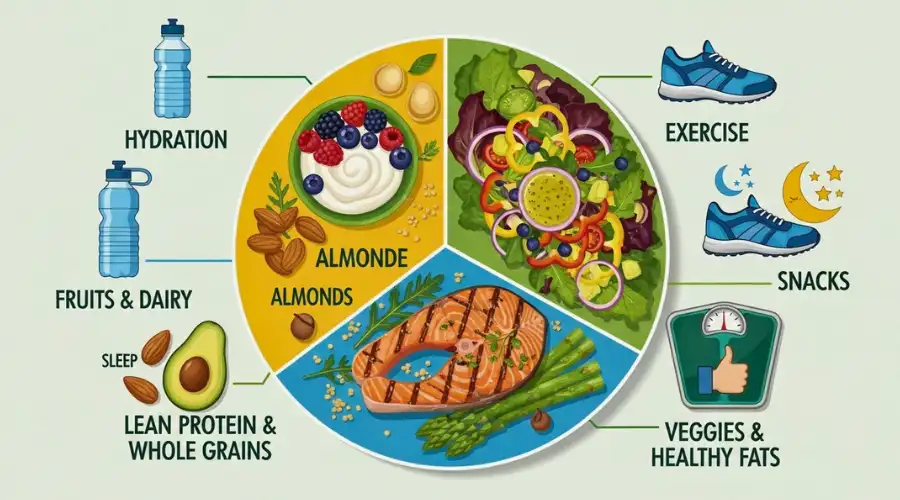
Losing weight isn’t just about eating less it’s about eating right. A well-balanced diet plan for weight loss focuses on nourishing your body with the right nutrients while helping you burn excess fat efficiently. Whether you’re looking to drop a few pounds or completely transform your lifestyle, the right eating strategy can make all the difference.
This guide will walk you through the science behind effective weight loss, sample meal ideas, and expert tips for creating a sustainable diet that fits your routine, preferences, and goals.
Understanding the Basics of Weight Loss
1. How Weight Loss Works
Weight loss happens when you consume fewer calories than your body burns. This creates a calorie deficit, forcing your body to use stored fat for energy. However, simply eating less can slow your metabolism, making it harder to lose weight in the long run. That’s why a balanced diet plan is key it supports fat loss while maintaining energy and muscle strength.
2. The Role of Nutrition in Weight Loss
A successful diet plan isn’t about restriction, it’s about balance. Your meals should include:
- Protein for muscle repair and satiety.
- Healthy fats for hormonal balance and brain function.
- Complex carbohydrates for sustained energy.
- Fiber-rich foods for digestion and appetite control.
- Vitamins and minerals for overall health and metabolism support.
Creating an Effective Diet Plan for Weight Loss
➡️Set Realistic Goals
Start by setting achievable goals based on your body type, activity level, and health status. Aim to lose about 1–2 pounds per week, which is considered healthy and sustainable.
➡️Determine Your Calorie Needs
Use a calorie calculator to find your Total Daily Energy Expenditure (TDEE) the number of calories you burn daily. To lose weight, reduce your intake by 10–20% of your TDEE, ensuring you still get enough energy to function effectively.
➡️Choose Whole, Nutrient-Dense Foods
Focus on foods that are close to their natural form. Whole foods keep you full longer and provide essential nutrients without unnecessary additives or sugars.
➡️Best Foods for Weight Loss
- Lean proteins (chicken, fish, eggs, tofu)
- Whole grains (brown rice, quinoa, oats)
- Healthy fats (avocado, olive oil, nuts)
- Vegetables (broccoli, spinach, kale)
- Fruits (berries, apples, oranges)
➡️Foods to Avoid
- Sugary snacks and drinks
- Refined grains (white bread, pasta)
- Fried and processed foods
- High-fat dairy and processed meats
Sample Diet Plan for Weight Loss
Here’s a balanced 7-day sample diet plan designed to promote steady, healthy weight loss.
➡️Day 1
- Breakfast: Greek yogurt with berries and chia seeds
- Lunch: Grilled chicken salad with olive oil dressing
- Dinner: Baked salmon with steamed broccoli and quinoa
- Snack: A handful of almonds
➡️Day 2
- Breakfast: Oatmeal topped with banana slices and cinnamon
- Lunch: Lentil soup with mixed vegetables
- Dinner: Stir-fried tofu with brown rice
- Snack: Apple slices with peanut butter
➡️Day 3
- Breakfast: Two boiled eggs with whole-grain toast
- Lunch: Turkey wrap with lettuce, tomato, and hummus
- Dinner: Grilled shrimp with roasted vegetables
- Snack: Greek yogurt
(Repeat similar patterns for the week by rotating protein sources and vegetables.)
Popular Diet Plans for Weight Loss
➡️Mediterranean Diet
Rich in fruits, vegetables, whole grains, and healthy fats, the Mediterranean diet promotes heart health and gradual weight loss. It emphasizes olive oil, fish, nuts, and plant-based foods making it one of the most sustainable plans worldwide.
➡️Low-Carb or Keto Diet
A low-carb diet limits carbohydrates and focuses on fats and proteins, forcing the body to burn fat for energy (ketosis). While effective for some, it may not suit everyone especially if not followed correctly.
➡️Intermittent Fasting
Intermittent fasting alternates between eating and fasting windows (e.g., 16:8 method). It can help control calorie intake, boost metabolism, and improve insulin sensitivity. However, consistency and hydration are essential for success.
➡️Plant-Based Diet
A plant-based diet focuses on whole, unprocessed foods from plants fruits, vegetables, nuts, seeds, and grains. It’s naturally lower in calories and higher in fiber, aiding weight management while improving overall health.
Tips for Maintaining a Healthy Weight Loss Diet
➡️Eat Mindfully
Avoid distractions during meals. Eating slowly helps your brain recognize when you’re full, preventing overeating.
➡️Stay Hydrated
Water boosts metabolism, reduces cravings, and aids digestion. Aim for at least 8–10 glasses daily.
➡️Plan Your Meals
Meal prepping saves time, helps control portions, and keeps you committed to your diet plan.
➡️Balance Your Macros
Ensure your diet includes the right balance of carbohydrates, proteins, and fats for sustained energy and optimal body function.
➡️Don’t Skip Meals
Skipping meals can slow your metabolism and trigger unhealthy snacking later. Instead, eat small, balanced meals throughout the day.
➡️Track Your Progress
Use a journal or mobile app to track calories, progress, and eating habits. Seeing measurable results keeps you motivated.
Common Mistakes to Avoid in a Diet Plan for Weight Loss
- Overly restricting calories: This can cause fatigue and nutrient deficiencies.
- Ignoring exercise: Physical activity boosts metabolism and preserves muscle.
- Falling for fad diets: Quick-fix diets rarely offer long-term success.
- Not getting enough sleep: Poor sleep increases hunger hormones and cravings.
- Skipping protein: Protein is essential for muscle maintenance during weight loss.
Exercise and Lifestyle Support for Weight Loss
Diet alone isn’t enough combine it with a consistent fitness routine. Include a mix of:
- Cardio exercises: Walking, jogging, or cycling to burn calories.
- Strength training: Builds lean muscle, which burns more fat even at rest.
- Flexibility exercises: Yoga or stretching to improve mobility and reduce stress.
In addition, prioritize sleep (7–8 hours nightly), manage stress, and maintain consistency for lasting results.
Best Beverages for Weight Loss
Not all drinks are created equal. Sugary beverages can derail your diet quickly. Instead, opt for:
- Water with lemon or cucumber slices
- Green tea (boosts metabolism)
- Black coffee (in moderation)
- Herbal teas (support digestion and relaxation)
Avoid soda, energy drinks, and sugary fruit juices that add empty calories.
Frequently Asked Questions (FAQs)
Conclusion
A successful diet plan for weight loss is not about strict rules or deprivation, it’s about making smarter, healthier choices consistently. By focusing on balanced nutrition, portion control, hydration, and regular exercise, you can achieve and maintain your ideal weight naturally. Remember, the best diet is one you can stick with long-term. Make it enjoyable, sustainable, and tailored to your body’s needs for lasting results.
Leave a Reply