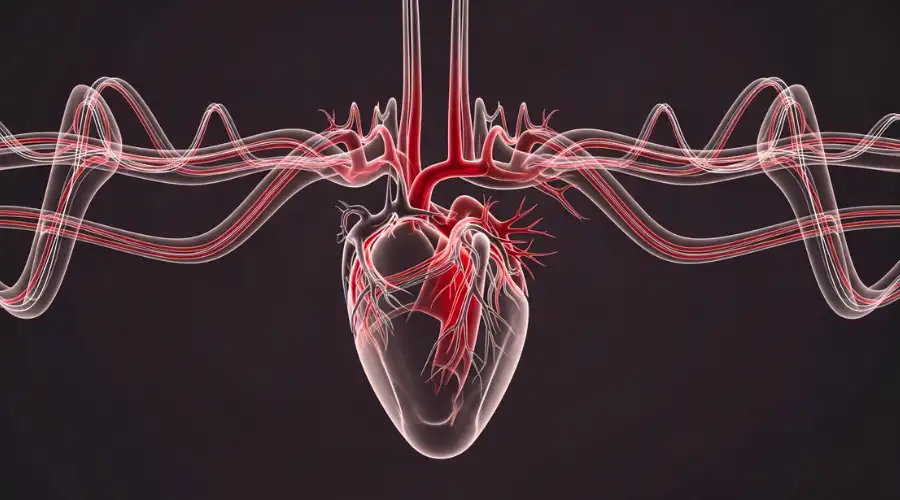
Cardiovascular health problems are among the leading causes of illness and death worldwide. These conditions affect the heart and blood vessels, making it difficult for your circulatory system to deliver oxygen and nutrients efficiently throughout the body. From heart attacks to strokes, cardiovascular diseases (CVDs) can have life-changing consequences if left unmanaged.
However, the good news is that many cardiovascular health problems are preventable with lifestyle changes and early medical intervention. In this article, we’ll explore the causes, symptoms, and prevention of cardiovascular diseases, providing you with actionable insights to maintain a strong and healthy heart.
What Are Cardiovascular Health Problems?
Cardiovascular health problems refer to a group of disorders that affect the heart and blood vessels. These conditions interfere with the normal flow of blood and can lead to severe complications, such as heart failure or sudden cardiac arrest.
Common Types of Cardiovascular Diseases
- Coronary Artery Disease (CAD) – Occurs when the arteries that supply blood to the heart become narrowed or blocked due to plaque buildup (atherosclerosis).
- Heart Attack (Myocardial Infarction) – Happens when blood flow to part of the heart is blocked, damaging heart muscle tissue.
- Stroke – Caused by a blockage or rupture in the blood vessels supplying the brain.
- Heart Failure – A condition where the heart is unable to pump blood effectively to meet the body’s needs.
- Arrhythmia – Irregular heartbeat caused by electrical disturbances in the heart.
- Peripheral Artery Disease (PAD) – Narrowing of arteries in the limbs, reducing blood flow to arms and legs.
Causes of Cardiovascular Health Problems
Cardiovascular diseases develop over time due to a combination of genetic, lifestyle, and environmental factors. Understanding these causes can help you take preventive action early.
Unhealthy Diet
A diet high in saturated fats, trans fats, salt, and sugar increases cholesterol levels and blood pressure major contributors to heart disease. Over time, these factors promote plaque buildup in the arteries, restricting blood flow.
Lack of Physical Activity
A sedentary lifestyle leads to obesity, high cholesterol, and high blood pressure. Regular exercise strengthens the heart, improves circulation, and helps maintain healthy weight and cholesterol levels.
Smoking and Alcohol Consumption
Smoking damages blood vessels and lowers oxygen levels in the blood. Similarly, excessive alcohol intake raises blood pressure and can weaken the heart muscle.
High Blood Pressure (Hypertension)
Chronic hypertension strains the heart and damages arteries, making them less elastic and more prone to blockages.
Diabetes and Obesity
Both conditions increase the risk of heart disease by affecting cholesterol levels, blood sugar regulation, and vascular health.
Genetic Factors
A family history of cardiovascular health problems significantly increases your risk, especially if combined with poor lifestyle habits.
Symptoms of Cardiovascular Health Problems
Recognizing symptoms early can save lives. While symptoms vary depending on the condition, here are common warning signs:
- Chest pain or discomfort (angina)
- Shortness of breath
- Dizziness or fainting
- Fatigue or weakness
- Rapid or irregular heartbeat
- Swelling in legs, ankles, or feet
- Sudden numbness or weakness on one side of the body (possible stroke sign)
If you experience these symptoms, especially chest pain or shortness of breath, seek immediate medical attention.
Risk Factors for Cardiovascular Health Problems
Certain factors make individuals more prone to cardiovascular diseases. Some risks can be managed, while others cannot.
Controllable Risk Factors:
- Smoking
- Poor diet
- Physical inactivity
- High cholesterol
- Hypertension
- Excessive alcohol use
Uncontrollable Risk Factors:
- Age (risk increases after 45 for men and 55 for women)
- Family history of heart disease
- Gender (men are generally at higher risk)
- Ethnicity (some populations, such as South Asians, have a higher predisposition)
How to Prevent Cardiovascular Health Problems
The majority of cardiovascular health problems can be prevented through healthy lifestyle choices and regular medical check-ups. Here’s how you can reduce your risk:
Adopt a Heart-Healthy Diet
Focus on a balanced diet rich in fruits, vegetables, whole grains, lean proteins, and healthy fats like those found in fish, nuts, and olive oil. Reduce salt intake and avoid processed foods high in trans fats and sugars.
Exercise Regularly
Engage in at least 150 minutes of moderate aerobic activity or 75 minutes of vigorous exercise each week. Activities like brisk walking, swimming, or cycling strengthen your heart and improve circulation.
Quit Smoking
Quitting smoking is one of the most effective ways to improve cardiovascular health. Within weeks of quitting, blood circulation improves, and the risk of heart attack decreases significantly.
Limit Alcohol Consumption
If you drink, do so in moderation up to one drink per day for women and two for men. Excessive alcohol raises blood pressure and damages the heart muscle.
Manage Stress
Chronic stress increases blood pressure and can lead to unhealthy coping mechanisms like overeating or smoking. Incorporate relaxation techniques such as meditation, yoga, or deep breathing exercises.
Monitor Your Health Regularly
Regular health screenings for blood pressure, cholesterol, and glucose levels can detect issues early before they lead to serious heart problems.
Diagnosis and Treatment Options
If cardiovascular health problems are suspected, doctors may recommend tests such as:
- Electrocardiogram (ECG or EKG) – Measures electrical activity of the heart.
- Echocardiogram – Uses ultrasound to assess heart structure and function.
- Stress Test – Evaluates heart performance during physical exertion.
- Blood Tests – Check cholesterol, triglycerides, and glucose levels.
Common Treatments Include:
- Medications: Such as beta-blockers, statins, or ACE inhibitors to manage blood pressure and cholesterol.
- Surgical Procedures: Like angioplasty or bypass surgery to restore proper blood flow.
- Lifestyle Modifications: Ongoing diet and exercise changes are vital for long-term heart health.
The Importance of Early Detection
Early detection of cardiovascular health problems can make a significant difference in treatment outcomes. Regular check-ups, even if you feel healthy, allow doctors to spot early warning signs such as elevated blood pressure or cholesterol levels. Early intervention helps prevent serious events like heart attacks or strokes.
Maintaining Long-Term Cardiovascular Health
Sustaining heart health requires consistency. Even after improving your habits, it’s important to continue monitoring your heart health, stay active, and eat mindfully. Support groups, community health programs, and fitness trackers can help keep you motivated.
Frequently Asked Questions
Conclusion
In conclusion, cardiovascular health problems remain a global health concern, but they are largely preventable through conscious lifestyle choices and regular health monitoring. By maintaining a balanced diet, staying physically active, avoiding tobacco, and managing stress, you can significantly lower your risk of heart disease. Remember, small daily actions like taking a walk, eating more vegetables, and scheduling regular check-ups can make a big difference in keeping your heart strong for years to come.
Leave a Reply