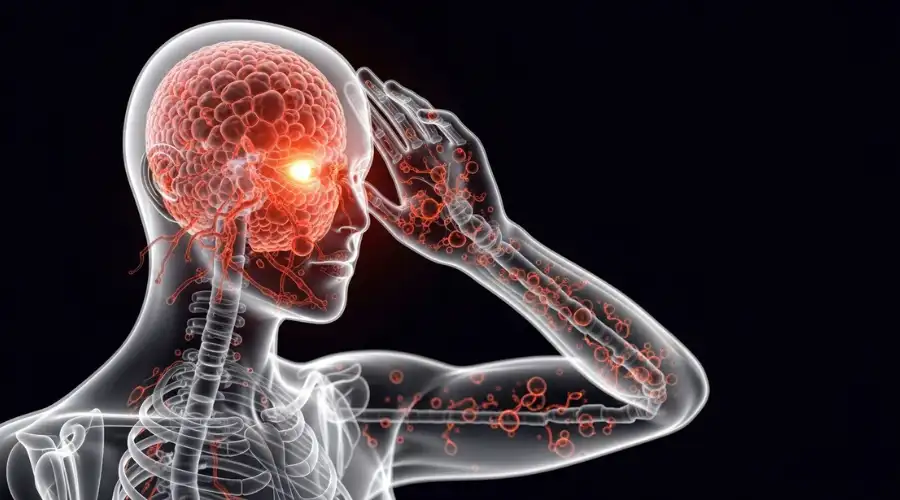
Cancer remains one of the leading causes of death worldwide, yet many cases can be treated successfully when detected early. Unfortunately, the early warning signs of cancer often go unnoticed or are mistaken for minor health issues. Recognizing the warning signs of cancer in your body is vital for early diagnosis and timely treatment. While symptoms vary depending on the type of cancer, certain changes in your body can serve as red flags that something isn’t right. This article will help you understand the key warning signs and why paying attention to them could save your life.
Understanding Cancer and Its Early Warning Signs
Cancer begins when cells in the body start growing uncontrollably, forming lumps or spreading to other parts of the body. This abnormal cell growth can affect any organ, including the skin, lungs, breast, colon, and more. The challenge lies in the fact that early cancer symptoms can mimic common illnesses. That’s why awareness of cancer warning signs is crucial it empowers you to seek medical advice before the disease progresses.
Unexplained Weight Loss
Sudden, unexplained weight loss is one of the most common early warning signs of cancer. If you lose more than 10 pounds (4.5 kg) without changing your diet or exercise routine, it may indicate a health issue. Cancers such as pancreatic, stomach, lung, or esophageal cancer can cause weight loss due to changes in metabolism and loss of appetite. Always consult a doctor if you notice significant weight loss for no apparent reason.
Persistent Fatigue and Weakness
Feeling tired occasionally is normal, but persistent fatigue that doesn’t improve with rest may be a sign of an underlying condition. Certain cancers, including leukemia and colon cancer, can cause ongoing fatigue by affecting blood cell production or causing internal bleeding. If exhaustion becomes constant and affects daily life, it’s important to seek medical evaluation.
Unusual Lumps or Swelling
A lump or swelling in any part of the body should never be ignored. While not all lumps are cancerous, some may indicate tumors in tissues such as the breast, neck, groin, or testicles. For instance, breast cancer often begins with a painless lump or thickened area. Self-examinations and regular checkups can help detect these changes early, improving treatment outcomes.
Persistent Cough or Hoarseness
A cough that lasts longer than three weeks or changes in your voice may signal a deeper issue, especially in smokers. Lung cancer or throat cancer can cause a persistent cough, chest pain, or hoarseness. If your cough produces blood or you experience difficulty breathing, consult your doctor immediately for further evaluation.
Changes in Skin Appearance
Your skin can reveal a lot about your overall health. New moles, changes in existing ones, or unusual skin discoloration can indicate skin cancer. Warning signs include asymmetrical moles, uneven borders, color variations, and growth in size or shape. Additionally, yellowing of the skin (jaundice) can point to liver cancer. Regular skin checks and sun protection are essential preventive measures.
Difficulty Swallowing or Persistent Indigestion
Occasional indigestion or heartburn is common, but if you experience ongoing difficulty swallowing (dysphagia) or persistent indigestion, it could be a sign of esophageal or stomach cancer. These cancers can cause narrowing of the esophagus, making swallowing painful or difficult. If this symptom persists, consult a gastroenterologist for further testing.
Abnormal Bleeding or Discharge
Any form of unexplained bleeding is a serious warning sign of cancer. Examples include:
- Rectal bleeding (possible colon or rectal cancer)
- Vaginal bleeding between periods or after menopause (possible uterine or cervical cancer)
- Blood in urine (possible bladder or kidney cancer)
- Coughing up blood (possible lung cancer)
Even small traces of blood should not be ignored, as early detection is key to successful treatment.
Changes in Bowel or Bladder Habits
Changes in bowel or urinary habits can often indicate underlying digestive or urinary tract cancers. Constipation, diarrhea, or narrow stools lasting several weeks may suggest colon cancer, while frequent urination or pain during urination could point to bladder or prostate cancer. Monitoring your body’s regular patterns and reporting changes to your doctor can help catch cancer early.
Non-Healing Wounds or Sores
If a sore or wound doesn’t heal even after several weeks, it could be a sign of skin or oral cancer. Mouth sores that persist or bleed easily can indicate oral cancer, especially in individuals who smoke or consume alcohol regularly. Similarly, sores on the skin that do not heal could be early signs of skin cancer.
Persistent Pain Without Clear Cause
Pain that lingers without a clear reason should never be ignored. Chronic pain in the bones could be linked to bone cancer, while back pain may point to pancreatic or ovarian cancer. Although pain alone doesn’t confirm cancer, unexplained, long-term discomfort should prompt further medical investigation.
When to See a Doctor
It’s important to remember that experiencing one or more of these symptoms doesn’t automatically mean you have cancer. However, persistent or worsening symptoms should always be evaluated by a healthcare professional. Early detection through screening tests such as mammograms, colonoscopies, or Pap smears greatly improves treatment success rates.
How to Reduce Your Cancer Risk
While not all cancers are preventable, certain lifestyle choices can significantly lower your risk:
- Avoid tobacco and limit alcohol intake.
- Eat a balanced diet rich in fruits, vegetables, and whole grains.
- Maintain a healthy weight and exercise regularly.
- Protect your skin from UV radiation.
- Get vaccinated against viruses linked to cancer, such as HPV and hepatitis B.
- Schedule regular screenings based on your age and family history.
Taking proactive steps toward prevention and awareness is one of the most powerful ways to safeguard your health.
The Importance of Early Detection
Catching cancer in its early stages can make a life-changing difference. Many cancers, when detected early, can be treated successfully through surgery, radiation, or chemotherapy. Regular checkups, self-examinations, and awareness of the warning signs of cancer in your body can increase your chances of recovery and survival.
Frequently Asked Questions
Conclusion
In conclusion, recognizing the warning signs of cancer in your body is essential for early diagnosis and effective treatment. Symptoms such as unexplained weight loss, chronic fatigue, unusual lumps, or persistent pain should never be ignored. Paying attention to subtle changes in your body and seeking prompt medical evaluation can make a life-saving difference. Early detection not only increases the chances of successful treatment but also improves overall quality of life. By staying informed, maintaining healthy lifestyle habits, and scheduling regular checkups, you can take proactive steps toward protecting your long-term health and well-being.
Leave a Reply