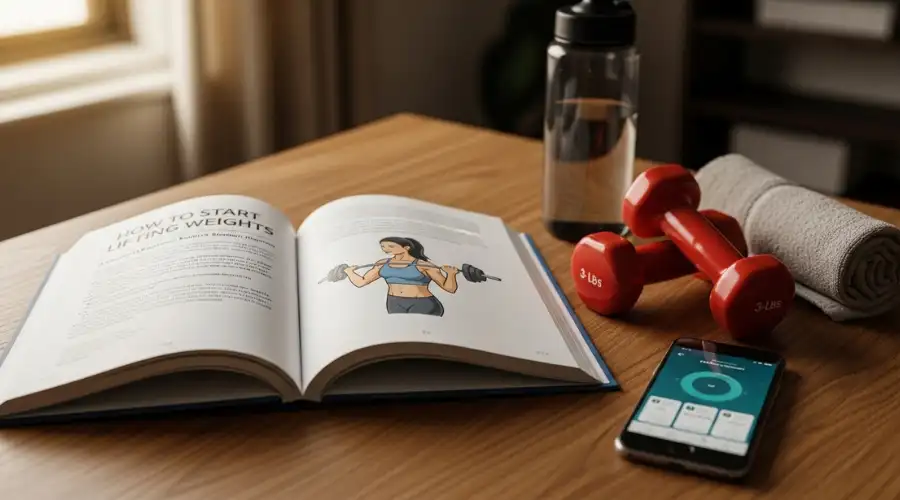
Starting a weightlifting journey is one of the best decisions you can make for your health and confidence. Strength training doesn’t just build muscle it boosts your metabolism, strengthens bones, enhances mobility, and supports long-term well-being.
Whether you’re new to the gym or training at home, learning how to lift weights correctly ensures steady progress and reduces the risk of injury. This guide covers everything you need from preparation and exercises to programming and safety to help you lift with confidence.
Preparing to Start Weightlifting
Before you jump into lifting, take time to prepare properly. A solid foundation ensures you make progress safely.
A. Get Professional Guidance
If you’re completely new, consider working with a certified trainer. They can teach you proper form, help you avoid common mistakes, and create a plan tailored to your fitness goals.
B. Choose the Right Equipment
You don’t need a full gym setup to begin. Start with what’s available:
- Bodyweight exercises: Squats, push-ups, and lunges require no equipment.
- Dumbbells or kettlebells: Perfect for home workouts and progressive strength training.
- Resistance bands: Lightweight, versatile, and beginner-friendly.
- Gym machines or barbells: Great for building strength once your technique improves.
C. Warm Up Properly
A 5–10 minute warm-up prepares your body and prevents injury. Try light cardio like brisk walking or jumping jacks followed by dynamic stretches for your shoulders, hips, and legs.
Best Beginner Weightlifting Exercises
These foundational exercises work major muscle groups and build strength evenly across your body. Start with lighter weights and focus on perfect form.
Dumbbell Single-Arm Row
Targets: Back, arms
How to do it: Place one knee and hand on a bench, hold a dumbbell in the other hand, and pull it toward your torso. Lower slowly and repeat.
Dumbbell Shoulder Press
Targets: Shoulders
How to do it: Hold dumbbells at shoulder height, palms forward. Press them upward until arms are nearly straight. Lower slowly.
Dumbbell Chest Press
Targets: Chest
How to do it: Lie flat on a bench holding dumbbells at chest level. Push them upward until your arms are extended, then lower slowly.
Bicep Curl
Targets: Front of upper arms
How to do it: Stand tall, hold dumbbells at your sides, palms up. Curl toward your shoulders, keeping elbows close to your body.
Triceps Extension
Targets: Back of upper arms
How to do it: Hold one dumbbell overhead with both hands. Bend your elbows to lower the weight behind your head, then raise it back up.
Squat
Targets: Legs, glutes
How to do it: Stand with feet shoulder-width apart. Lower your body as if sitting in a chair, keeping your chest up and knees behind toes. Return to standing.
Lunge
Targets: Legs, core
How to do it: Step forward with one leg, lowering until both knees are at 90 degrees. Push back up to standing. Alternate legs.
Calf Raise
Targets: Calves
How to do it: Stand on the edge of a step. Raise your heels slowly, pause, and lower back down for a full range of motion.
Plank
Targets: Core, shoulders, back
How to do it: Rest on forearms and toes, keeping your body in a straight line. Engage your abs and hold for 20–60 seconds.
Structuring Your Training Program
A well-planned routine ensures consistent progress and balanced strength gains.
Frequency and Schedule
For beginners, training 2–4 times per week is ideal. Start with three full-body sessions weekly, allowing rest days between workouts.
Example Schedule:
- Day 1: Chest, shoulders, arms, core
- Day 2: Back, legs, core
- Day 3: Full-body workout or mobility session
Sets, Reps, and Progression
- Start with 1–2 sets of 8–12 reps for each exercise.
- Gradually increase to 3 sets as your strength improves.
- Once you can complete all reps with good form, increase the weight by 5–10%.
- Focus on controlled movement rather than lifting heavy too soon.
Rest and Recovery
- Rest 60–90 seconds between sets.
- Give muscle groups at least 48 hours before training them again.
- Include stretching and mobility work after each session to maintain flexibility.
Safety Tips for Beginners
Safety should always come first in weightlifting. Use proper form, listen to your body, and avoid rushing progress.
Follow these guidelines:
- Wear supportive shoes with a flat sole.
- Perform each lift slowly and with control.
- Keep your core tight to protect your spine.
- Exhale during exertion and inhale during relaxation.
- Stop immediately if you feel sharp pain or dizziness.
- Consult a doctor before beginning if you have existing health issues.
Tracking Progress and Staying Motivated
Tracking your workouts helps you see progress and stay consistent.
Tips for motivation:
- Record your workouts: Write down exercises, weights, and reps each session.
- Set realistic goals: For example, “I’ll increase my squat weight by 5 kg in 8 weeks.”
- Celebrate small wins: Notice improved endurance, posture, or energy levels.
- Vary your routine: Change exercises every 6–8 weeks to keep challenging your body.
- Prioritize consistency: Progress comes from regular training, not perfection.
Frequently Asked Questions
Conclusion
Starting a weightlifting routine is an empowering decision. With the right mindset, proper form, and consistent effort, you’ll build strength, confidence, and long-term health. Focus on gradual progress rather than perfection small, consistent improvements lead to lasting results.
Remember: it’s not about how much weight you lift, but how well you lift it. Begin light, move with purpose, and enjoy every milestone on your strength journey.
Leave a Reply