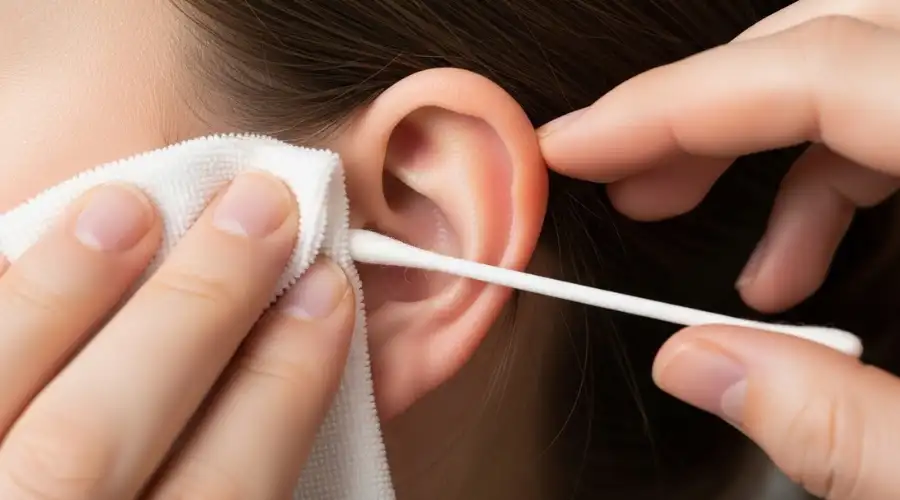
Our ears do more than just let us hear the sounds around us they are vital for balance and overall well-being. Yet, many people overlook proper ear care until problems arise. Ear issues such as infections, hearing loss, or tinnitus can significantly impact daily life. The good news is that with a few simple habits, you can maintain healthy ears and protect your hearing for years to come. In this article, we explore 5 ways to take care of your ears effectively.
➡️Keep Your Ears Clean Safely
Proper ear hygiene is essential, but it’s important to avoid damaging your ears in the process. Many people make the mistake of using cotton swabs, hairpins, or other objects to clean inside their ear canal. This can push wax deeper, cause injuries, or lead to infections.
How to Clean Your Ears Properly:
- Use a damp cloth to clean the outer ear.
- Let earwax naturally exit the ear; it acts as a protective barrier against bacteria.
- If needed, use over-the-counter ear drops or see a professional for safe wax removal.
Pro Tip: Avoid inserting anything deep into the ear canal it’s one of the easiest ways to prevent damage.
➡️Protect Your Ears from Loud Noises
Exposure to loud sounds is one of the leading causes of hearing loss worldwide. Whether at concerts, using power tools, or listening to music through headphones, excessive noise can permanently damage the delicate hair cells in your inner ear.
Strategies to Protect Your Hearing:
- Wear earplugs in noisy environments.
- Keep headphone volume at 60% or lower and limit listening time.
- Take breaks from loud activities to give your ears a rest.
Example: If you’re at a concert with 100 dB noise levels, wearing high-quality earplugs can reduce sound exposure to safe levels without compromising sound quality.
➡️Avoid Inserting Foreign Objects
Beyond cotton swabs, many everyday habits can unintentionally harm your ears. Inserting objects, including pencils, earbuds, or fingernails, can injure the ear canal or eardrum.
Safe Practices Include:
- Using only approved ear cleaning tools like ear drops or irrigation kits.
- Keeping small objects away from children to prevent accidental injury.
- Being gentle when drying ears after swimming or showering.
Pro Tip: Always tilt your head to let water naturally drain out after swimming, and gently towel-dry the outer ear. This reduces the risk of swimmer’s ear (external ear infections).
➡️Maintain Ear Health Through a Healthy Lifestyle
Your diet, hydration, and general health can also affect your ear function. Certain nutrients support hearing and prevent age-related hearing decline.
Nutritional Tips for Healthy Ears:
- Omega-3 fatty acids: Found in fish, help protect against age-related hearing loss.
- Vitamins A, C, and E: Support ear health and prevent oxidative stress.
- Magnesium: Can help reduce noise-induced hearing damage.
Lifestyle Habits to Support Ear Health:
- Exercise regularly to maintain proper blood flow to the inner ear.
- Avoid smoking, which can decrease circulation and increase ear problems.
- Stay hydrated; fluid balance helps maintain inner ear function.
Comparison Example: Studies show that people with diets rich in fruits, vegetables, and omega-3s have a lower risk of hearing loss compared to those with poor diets.
➡️Schedule Regular Hearing Checkups
Even with perfect habits, it’s important to monitor your hearing over time. Many ear problems develop slowly, and early detection can prevent long-term damage.
Recommended Checkup Practices:
- Adults should have a hearing test at least once every 3 years, or more frequently if exposed to loud environments.
- Children and seniors should be tested regularly to catch issues early.
- Seek immediate medical attention if you experience sudden hearing loss, ringing, dizziness, or pain.
Example: Early treatment for ear infections or fluid buildup can prevent permanent hearing damage and improve overall ear health.
Frequently Asked Questions (FAQs)
Conclusion
In conclusion, taking care of your ears is crucial for maintaining not only hearing but also overall health and quality of life. The 5 ways to take care of your ears keeping them clean safely, protecting from loud noises, avoiding foreign objects, supporting ear health through lifestyle choices, and scheduling regular checkups provide a comprehensive approach to ear care. By incorporating these habits, you can prevent infections, reduce the risk of hearing loss, and ensure your ears function optimally for years to come. Remember, small daily practices can make a big difference in preserving one of your most important senses.
Leave a Reply