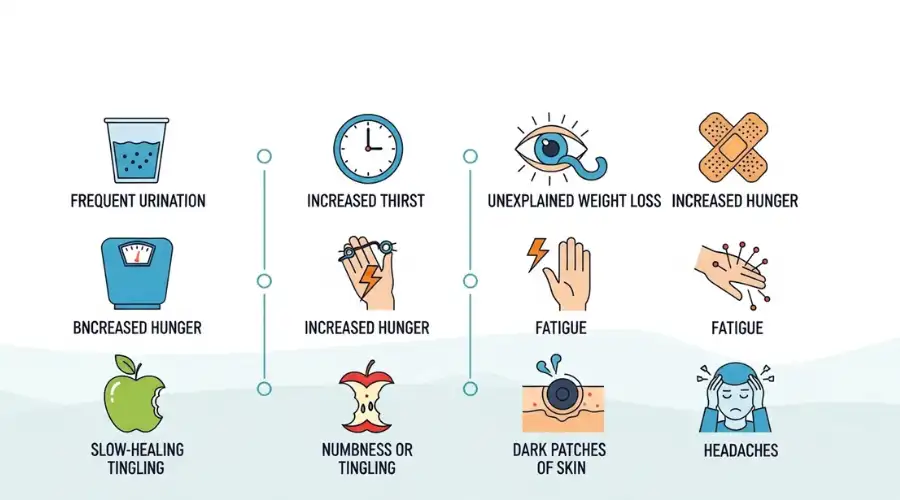
Diabetes is one of the most common chronic conditions worldwide, affecting millions of people every year. Despite its prevalence, many individuals remain unaware that they have diabetes until it’s already advanced. Recognizing the early warning signs of diabetes can make a major difference in managing the condition effectively and preventing complications.
In this article, we’ll explore what are 10 warning signs of diabetes, what they mean for your health, and when you should seek medical advice.
Understanding Diabetes
Before we dive into the warning signs, it’s important to understand what diabetes is.
Diabetes mellitus is a metabolic disorder that affects how your body processes glucose (sugar) in the blood. Normally, your pancreas produces insulin a hormone that helps your cells absorb glucose for energy. In diabetes, the body either doesn’t make enough insulin or can’t use it properly, leading to high blood sugar levels.
There are three main types of diabetes:
- Type 1 Diabetes: The immune system destroys insulin-producing cells in the pancreas.
- Type 2 Diabetes: The body becomes resistant to insulin or doesn’t produce enough of it.
- Gestational Diabetes: Occurs during pregnancy and usually disappears after childbirth.
Now, let’s look at the 10 warning signs of diabetes that you should pay close attention to.
Frequent Urination Polyuria
One of the earliest and most common symptoms of diabetes is frequent urination. When your blood sugar levels rise, your kidneys work overtime to filter and remove excess glucose from the bloodstream. This process draws more fluid into your urine, making you urinate more often especially at night.
If you find yourself waking up multiple times during the night to use the bathroom, it could be an early warning sign of diabetes.
Excessive Thirst Polydipsia
Frequent urination naturally leads to excessive thirst, as your body tries to replace lost fluids. Even after drinking plenty of water, you may feel dehydrated or notice a dry mouth. This constant thirst is your body’s response to dehydration caused by increased glucose levels.
Extreme Hunger Polyphagia
Feeling hungry all the time, even after eating, is another key warning sign of diabetes. When insulin isn’t working properly, your body’s cells don’t get enough energy from glucose. As a result, your brain signals that you need more food to compensate.
If you’re eating more than usual but still feel tired or unsatisfied, it might be time to check your blood sugar.
Unexplained Weight Loss
While many associate diabetes with weight gain, unexplained weight loss can actually be a sign especially in Type 1 diabetes. When your body can’t get enough glucose for energy, it starts burning fat and muscle instead. This rapid loss of weight occurs despite normal or increased appetite.
If you lose weight suddenly without trying, it’s important to consult a doctor.
Fatigue and Weakness
Feeling tired all the time, even after a full night’s rest, is another warning sign of diabetes. When your cells are deprived of glucose, your body lacks the energy it needs to function properly. This constant fatigue can interfere with your ability to work, exercise, or concentrate.
Persistent tiredness combined with other symptoms should never be ignored.
Blurred Vision
High blood sugar levels can cause changes in the lens of your eye, leading to blurred or distorted vision. This happens because fluid may move in and out of the eye tissues, affecting your ability to focus.
In severe cases, if left untreated, diabetes can damage the blood vessels in your retina, leading to diabetic retinopathy a serious condition that can result in vision loss.
Slow-Healing Wounds
If you notice that cuts, bruises, or sores take longer to heal, it could be a warning sign of diabetes. Elevated blood sugar levels can impair circulation and damage nerves, which slows down your body’s natural healing process.
Slow-healing wounds can also increase the risk of infections, especially in the feet, making early detection crucial.
Tingling or Numbness in Hands and Feet
Known as diabetic neuropathy, tingling, burning, or numbness in the hands and feet occurs when high blood sugar damages the nerves. This symptom is common in people with Type 2 diabetes and can worsen over time if blood sugar levels aren’t managed.
If left untreated, neuropathy can lead to pain, loss of sensation, or even severe complications like ulcers and infections.
Frequent Infections
People with diabetes are more prone to infections because high blood sugar weakens the immune system. Common infections include:
- Urinary tract infections (UTIs)
- Yeast infections
- Skin infections
These infections may occur more frequently or take longer to heal, signaling that your body is struggling to fight bacteria and fungi effectively.
Darkened Skin Patches Acanthosis Nigricans
Dark, velvety patches of skin, especially around the neck, armpits, or groin, can be an early warning sign of insulin resistance. This condition, known as acanthosis nigricans, often appears before diabetes develops.
If you notice changes in your skin texture or color, it’s worth getting your blood sugar tested.
When to See a Doctor
If you experience any combination of these symptoms, don’t ignore them. Early diagnosis is key to managing diabetes and preventing complications such as heart disease, kidney damage, nerve problems, and vision loss.
Your doctor may recommend a fasting blood sugar test, HbA1c test, or oral glucose tolerance test to confirm the diagnosis. With timely intervention, lifestyle changes, and proper treatment, diabetes can be effectively controlled.
Tips to Prevent or Manage Diabetes
While some risk factors, such as genetics, can’t be changed, there are many lifestyle habits that can help prevent or manage diabetes:
Eat a Balanced Diet
Focus on whole grains, vegetables, lean proteins, and healthy fats. Limit sugary foods and beverages.
Stay Physically Active
Exercise at least 30 minutes a day, five days a week. Activities like walking, swimming, or cycling can help lower blood sugar.
Maintain a Healthy Weight
Even a small amount of weight loss can significantly reduce your risk of developing Type 2 diabetes.
Monitor Blood Sugar Regularly
If you’re at risk, keep track of your blood glucose levels and schedule regular checkups.
Manage Stress
Chronic stress can increase blood sugar levels. Practices such as meditation, yoga, or deep breathing can help.
Frequently Asked Questions
Conclusion
In conclusion, recognizing what are 10 warning signs of diabetes is vital for early diagnosis and effective management of this common yet serious condition. Symptoms such as frequent urination, excessive thirst, fatigue, and unexplained weight loss can signal high blood sugar levels that require prompt attention. By identifying these warning signs early, you can take proactive steps including lifestyle changes, regular monitoring, and medical guidance to maintain healthy blood glucose levels and prevent long-term complications associated with diabetes.
Leave a Reply